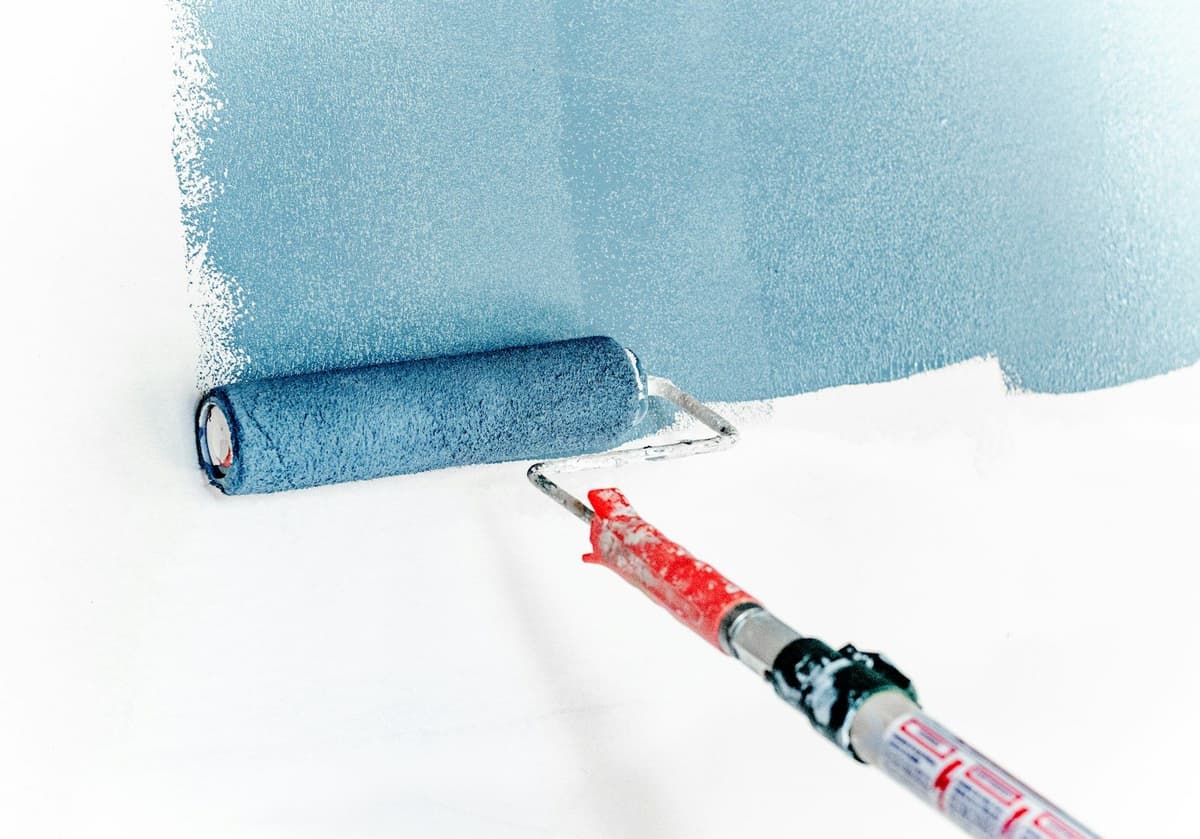
If you own a rental flat and have had to repaint it between tenants this year, there is good tax news that many landlords do not know about: that expense can be deducted directly from the income you declare from the rental. Spain's Tax Administration (Dirección General de Tributos) has recently clarified how this deduction works, and it is worth understanding it well before filing your next tax return.
What Spain's Tax Authority clarified about painting and rental income
The binding Tax Administration ruling
A ruling from the Dirección General de Tributos dated May 2026 made clear which renovation works can be deducted by landlords from their personal income tax (IRPF)1, based on Article 13 of the IRPF Regulations. According to that article, repair and maintenance expenses are those necessary to maintain the useful life of the property and its capacity for use. Painting falls squarely into that category, along with other routine maintenance items.
What specific costs the clarification includes
Spain's Tax Authority details what types of work fall within this concept. According to the ruling, painting, rendering, repair of installations, and replacement of elements such as heating, lifts, or security doors are included2. These are works designed to keep the property in usable condition, not to improve or extend it.
Repair yes, improvement no: the boundary that makes the difference
The important distinction is between two categories that Spain's Tax Authority treats very differently:
- Repair and maintenance (painting, fixing faults, replacing a worn element with an identical one): deductible immediately from rental income in the same tax year.
- Improvement or extension (such as adding new air conditioning, replacing windows with much more efficient ones, or enlarging the kitchen): not deductible immediately, but added to the acquisition value of the property and only reduces capital gains when the property is sold.
This distinction is not new, but the May 2026 ruling makes it clearer than ever for those who paint between tenants.
How to correctly declare painting expenses
What you need to keep
For the deduction to withstand a tax inspection, it is wise to keep solid documentation:
- The invoice from the professional or company that did the work, with details of the work.
- The bank payment confirmation, which must match the invoiced amount.
- Photos of the condition before and after, useful if the Tax Authority asks you to prove that it was maintenance and not a larger-scale renovation.
The joint limit that few landlords know about
Repair and maintenance expenses are not unlimited: they share a cap with mortgage interest. If the sum of both exceeds the rental income for the year, the excess is not lost but can be offset in the following four tax years. This is relevant if a complete repaint coincides with other repairs in the same tax year.
The special case of a vacant flat between tenants
A point that often raises questions is what happens when you paint while the property is empty, before finding a new tenant. Tax practice recognises that these expenses, if aimed at quickly returning the flat to the rental market, are usually also accepted as deductible, even though the flat generates no income on those specific days.
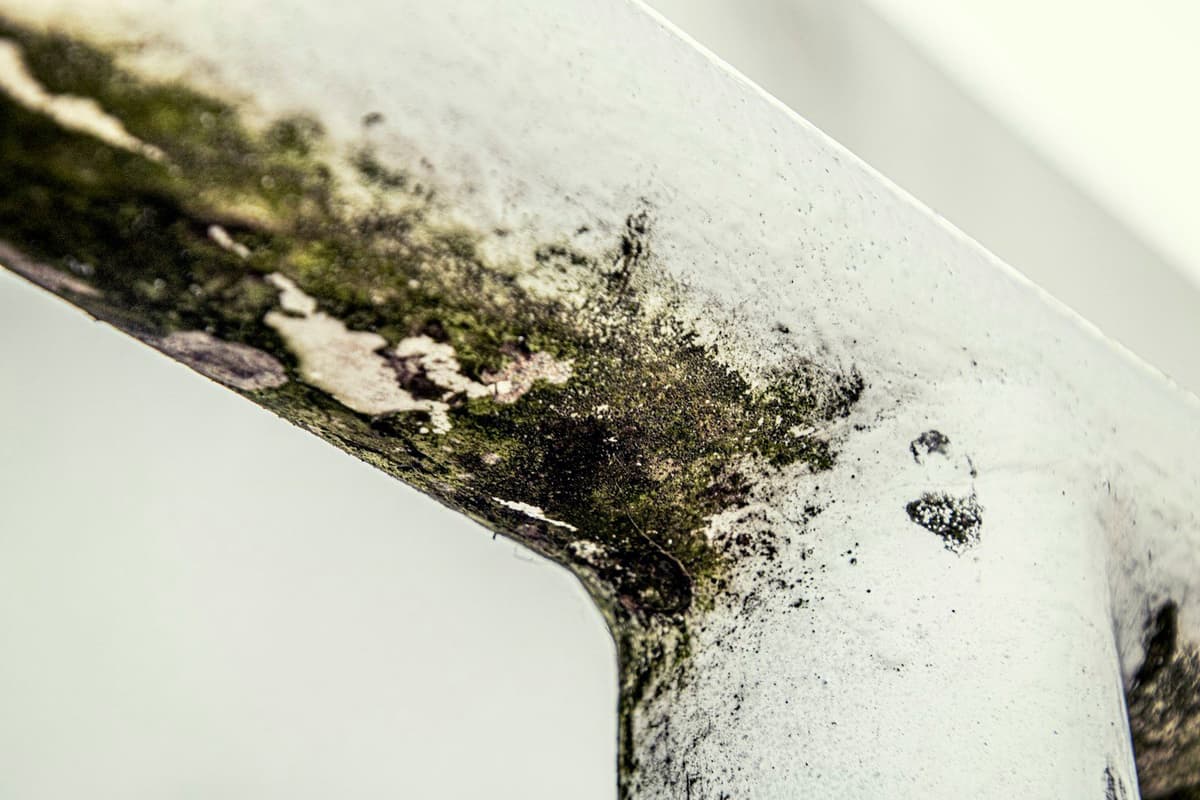
If you are planning to repaint a rental flat between leases, it is worth using the change of tenant to also review the general condition of walls and ceilings. Our interior painting3 service covers precisely this type of maintenance work between lets, and on our platform we always request photos and videos of the surfaces before finalising any quote, to avoid surprises about the real condition of the walls. This is especially useful when there are damp stains or damage left by the previous tenant, which can significantly change the actual scope of the work compared to a simple coat of paint.
What to do if the flat needs more than a coat of paint
When the work stops being "maintenance"
Not all work between tenants is the same from a tax perspective. Repainting walls that are already painted is maintenance. But if you take the opportunity to remove textured ceilings, smooth walls with cracks, or treat an area with structural damp, it is worth documenting carefully which part of the quote corresponds to each type of work, because the Tax Authority may interpret that a larger renovation borders on improvement.
Indicative table: type of work and tax treatment
| Type of work | Tax category | When deductible |
|---|---|---|
| Repainting already painted walls | Repair and maintenance | In the same tax year, from rental income |
| Removing textured ceilings and smoothing walls | Repair and maintenance (normally) | In the same tax year, if distribution does not change |
| Treating isolated damp before painting | Repair and maintenance | In the same tax year |
| Replacing windows with much more efficient ones | Improvement | Added to purchase value, recovered when selling |
| Extending or redistributing spaces | Extension | Added to purchase value, recovered when selling |
A practical tip for your next tax return
If you plan to paint a rental flat before the year ends, it is wise to close the invoice and payment within the same tax year in which you want to apply the deduction. Keeping the current lease agreement or the one signed just after the work also helps prove that the expense was linked to the rental activity, a detail that greatly speeds things up if the Tax Authority asks for clarification.
Frequently Asked Questions
Yes, as long as you can demonstrate that the aim was to return the property to the rental market as soon as possible. It is wise to keep the invoice, payment receipt, and if possible, the flat rental listing from those dates.
Both items must be separated on the invoice. Painting is deducted as a maintenance expense in the same year, whilst window replacement, if it substantially improves efficiency, is treated as an improvement and added to the acquisition value of the property.
Ideal is to have an invoice from the professional who did the work, with the corresponding payment proof. A simple materials receipt can serve as supporting evidence, but on its own it is weaker in a Tax Authority inspection.
There is no specific limit for painting alone, but repair and maintenance expenses share a joint cap with mortgage interest: they cannot exceed the rental income for that year. The excess can be carried forward for up to four years.
Yes, it is a national IRPF rule that applies to any taxpayer with tax residence in Spain who declares rental income, regardless of whether the property is in Madrid, Valencia, Seville, or any other city.

Ready to paint?
Get free quotes from verified local painters in minutes. No commitment.
Sources
External sources open in a new tab.