More and more manufacturers label their paints as "eco-friendly", "natural" or "low-emission", but not all labels mean the same thing. Understanding what lies behind a seal or a VOC figure helps you choose wisely, especially in renovations where the home remains occupied while painting is underway.
What changes with the new Ecolabel criteria
A recent and more demanding revision
The European Commission updated the criteria for the European eco-label for paints and varnishes at the end of 2025. The revision of the criteria opens a new phase for the coatings sector, with more demanding requirements aimed at strengthening sustainability and improving indoor air quality.1 The previous standard, in force since 2014, is replaced by a framework that demands more from manufacturers who want to display the starred flower on the container.
The new criteria cover new types of products, although they continue to include decorative paints and varnishes, as well as high-performance coatings and water-based spray paints.2 For anyone buying paint in a hardware store or commissioning a renovation, this means products that, if they carry the updated seal, have passed a stricter filter than just a few years ago.
What the label really guarantees
The Ecolabel is not just a decorative logo. This label certifies that paints and varnishes meet rigorous environmental and health standards and is recognised throughout the European Union. It is a voluntary certification, not mandatory, which means many perfectly valid paints do not carry it simply because the manufacturer has not requested the audit.
Some Spanish manufacturers have already expanded their range of certified products, including water-based enamels, facade coatings and interior paints with different finishes, which shows that certification no longer applies to just one type of product.
How to interpret VOC figures
What they are and why they vary so much between brands
Volatile organic compounds (VOCs) are substances released into the air during and after painting. The lower the level declared in grams per litre, the lower the impact on indoor air quality and the less noticeable the smell in the days that follow. We have already explained in detail how to choose low-VOC paint for a home3, but it is worth emphasising one point: not all labels use the same criteria or the same reference range.
A practical way to compare:
- "VOC-free" or "VOC free": usually implies very low or undetectable values within its product category.
- European Ecolabel: sets maximum limits depending on the type of paint, but allows certain residual levels.
- "Low odour": is not automatic synonymous with low VOC; it is worth checking the technical data sheet rather than relying solely on the commercial claim.
- Mineral paints (lime, silicate): usually declare the absence of organic solvents due to their own composition, not just to comply with a regulatory limit.
Where to find this information
The VOC figure should appear on the container or in the product's technical data sheet, usually expressed in grams per litre. If a seller cannot provide it, this is a signal to ask for another brand or be suspicious of the "eco-friendly" claim printed on the label.
Mineral and natural-based paints: what they offer in practice
Breathability and humidity control
Lime and silicate paints have a relevant technical advantage in the Spanish climate: they allow the wall to breathe, which helps reduce condensation on facades facing humid areas such as the Galician coast or the Mediterranean coast. This property is different from resistance to humidity by filtration, which requires first addressing the source of the problem with services such as humidity removal4 before applying any finish.
Recommended uses by space type
| Paint type | Breathability | Best use | Typical VOC level |
|---|---|---|---|
| Lime paint | Very high | Facades, interiors with humidity | Very low or zero |
| Silicate paint | High | Facades, old buildings | Very low |
| Acrylic with Ecolabel | Medium-high | Regular interiors, lounges | Low (depending on regulatory limit) |
| Conventional acrylic | Medium | Areas with lower environmental demands | Variable, sometimes high |
These mineral-based paints do not replace structural repairs if there is an unresolved leak or thermal bridge, but they do offer a more breathable finish in homes with a tendency to condensation, something common in old flats in Madrid, Barcelona or Bilbao with poor cross-ventilation.
What to ask the professional before starting
Information worth requesting
Before finalizing a project with eco-friendly or low-VOC paint, it is worth asking the professional for:
- The technical data sheet of the proposed product, with the VOC figure in g/l.
- Confirmation of whether the product carries an Ecolabel or other recognized certification.
- The number of coats planned and whether it includes undercoat, as this affects the actual yield of the tin.
- Recommended drying time and ventilation, especially if the home remains occupied during the work.
How this translates into the budget
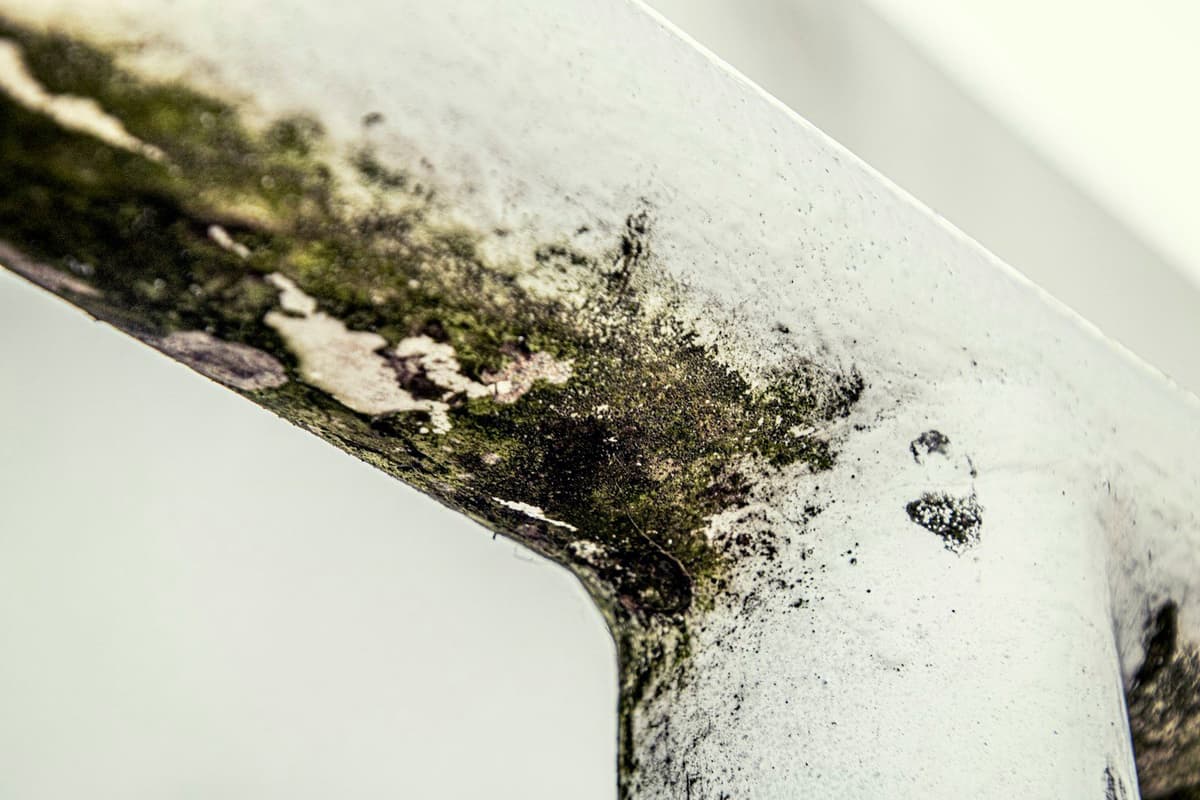
A per-m² budget with eco-friendly paint is always an initial reference, because two surfaces with the same area can be in very different conditions: cracks, surface mold or remnants of old paint increase the cost of preparation before applying the final product. The final price can only be confirmed after the professional has seen the real condition of the walls, either through photos and videos or an on-site visit; both methods work equally well. On our platform, photos and videos of the surfaces are always requested before closing any budget, precisely to avoid surprises halfway through the work.
Also, all the agreed scope (type of paint, number of coats, requested certification) is recorded online on the platform, so that the client, the professional and the platform can check at any time what was agreed in writing.
Frequently Asked Questions
It usually has a slightly higher price per litre, but the difference reduces if you compare actual yield and the reduced need to ventilate the home for several days. On large projects, the additional cost for certification is not always decisive compared to other factors such as surface preparation.
Not necessarily. It guarantees controlled levels of VOCs and other environmental criteria, but some paints with this label still release a slight smell during drying, although much less than conventional solvent-based paints.
It works better on porous substrates such as gypsum, lime or breathable cement. On tiles, plastic or previously sealed plastic paints it may require specific preparation or may not adhere properly.
Not always. A paint can be eco-friendly because of its low environmental impact and still not be specifically designed for people with allergies or chemical sensitivity; it is worth checking both characteristics separately in the technical data sheet.
Manufacturers usually include the Ecolabel certificate number on the container or on their website, and that code can be verified in the public register of the European Union to confirm that it is still valid.

Ready to paint?
Get free quotes from verified local painters in minutes. No commitment.
Sources
External sources open in a new tab.