When you decide to paint your home, the first question that always comes up is the same: how much is it going to cost? It seems straightforward to calculate by square metres, but the reality is that the final cost depends on the size of the home, the condition of the walls, the type of paint, and whether the flat is empty or furnished1. There are several less visible factors that can increase the budget by between 40% and 80%, and many times they are not detected until the work has already started. This article helps you identify them before requesting a quote, so you arrive prepared and without surprises.
Wall condition: the factor that most increases the budget
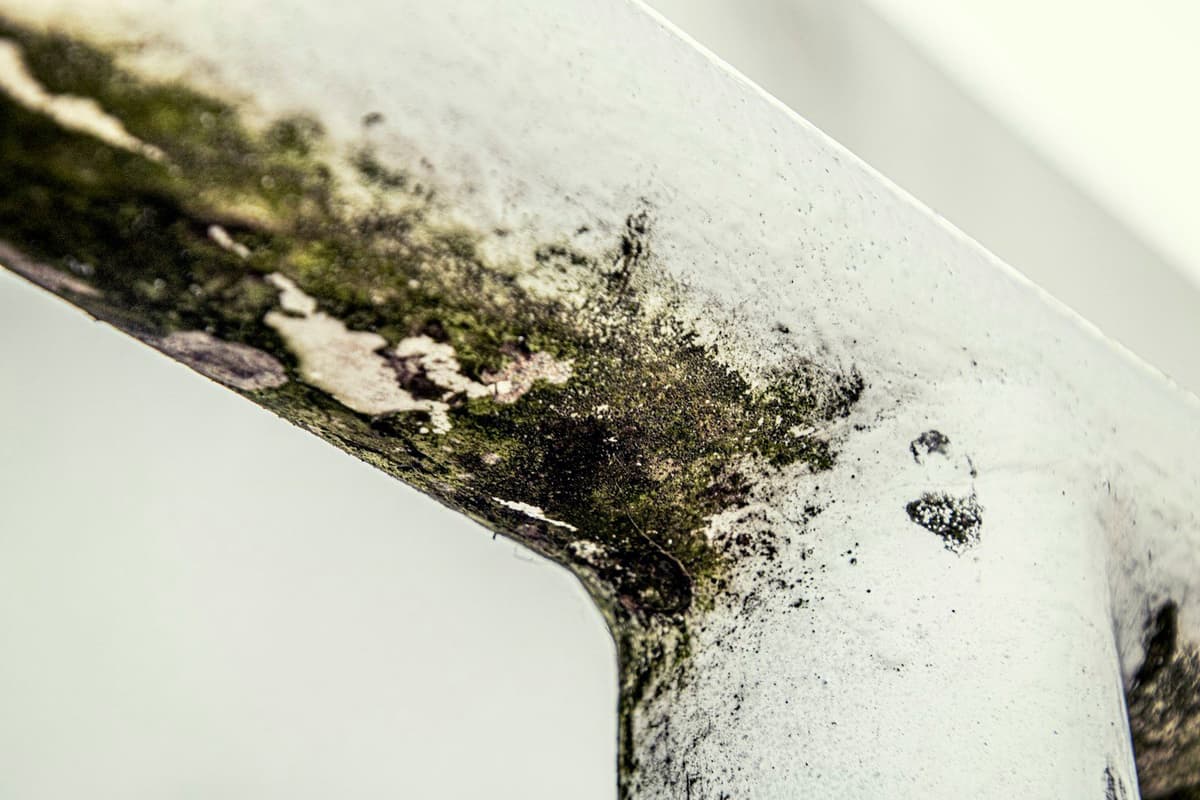
Wall condition is the factor that most increases the budget and the one most often underestimated, because if they require filling, sanding, or moisture treatment before painting, the cost can increase 40-80% compared to a smooth, well-maintained wall. A home with cracks, damp patches, old textured ceilings, or peeling paint requires additional preparation: scraping, sanding, crack repair, primer sealer, or anti-mould treatments. All of that is prior work that is not always included in the first quote you receive.
In cities like Madrid, Barcelona, or Valencia, where the stock of older properties is extensive, this preparation work can represent between 3 and 6 euros additional per paintable square metre. If your flat has 270 m² of paintable surface (walls and ceilings of a 90 m² home), that extra cost could reach 1,600 euros. That is why, before accepting any quote, it is important that the professional has seen the real condition of the surfaces, either through detailed photos and videos or through a visit.
Remember that properly preparing walls before painting2 makes the difference between a durable finish and one that starts to deteriorate within a few months.
Paint type, number of coats, and finishes: what no one tells you
Not all paints cost the same or are applied in the same way. Standard white and light-tone colours are the most economical, while dark, saturated, or custom colours require more coats (sometimes 3 instead of 2) and the paint usually costs more, accounting for 20-30% more labour and material cost. If you also choose premium paint (washable, moisture-resistant, low-VOC eco-friendly), the material price goes up, although coverage and durability also improve.
Another detail often overlooked: ceilings. Painting ceilings is always more expensive per square metre than walls, as it requires more physical preparation of the painter, greater protection of floor and furniture, and frequently more coats of paint, with a price 20-40% higher than walls under the same conditions.
If you are thinking about changing the finish of your home, consult how to choose paint finishes for each room3 to understand what type suits the kitchen, bathroom, living room, or bedrooms.
Paintable surface versus floor surface: the confusion that distorts the price
One of the most common mistakes when comparing quotes is confusing floor square metres with paintable square metres. The metres to be painted are not those of the floor, but those of walls and ceiling, and as a general rule, a home has between 3 and 4 times more paintable metres than floor metres; that is, in a 90 m² home, we would be talking about around 270-300 m² of surface to paint.
That means when a painter quotes you "8 euros per square metre", you should ask whether that refers to floor surface or actual paintable surface. The difference can be hundreds of euros in the total. In the Spanish market in 2026, painting a flat costs between 5 € and 15 €/m² of painted surface (not floor), and that range varies by city, condition of walls, and paint type.
To avoid misunderstandings, always ask for the quote to clearly specify what surface is being considered, how many coats of paint are included, and whether ceilings are part of the price or quoted separately.
Furnished flat versus empty: time, protection, and additional cost
The quote increases when furniture needs to be moved, floor protection applied, or work done in an occupied home. Many quotes assume the flat is empty or semi-empty. If it is actually fully furnished, the painter needs more time to protect floors, cover furniture, move it around, and work room by room so you always have a free space.
That extra time translates into additional cost. Depending on the volume of furnishings and whether there are delicate items (paintings, mirrors, built-in appliances), the extra cost can range from 10% to 20% of the base budget. In cities like Seville, Malaga, or Bilbao, where many homes are painted without complete relocation, it is important to clarify from the outset the occupancy status of the flat.
Common unforeseen issues: stains, flaking paint, and walls that absorb more paint than expected
Budget an extra 10-15% for unforeseen issues: stains that reappear, flaking paint hidden under texture, or walls that absorb more paint than expected. Even if the professional has seen photos or visited the home, some problem can always emerge during execution: a damp stain that had not been detected, a crack that opens when sanding, or a porous wall that requires an additional primer coat.
Those unforeseen issues are not painter negligence, but real substrate conditions that only reveal themselves when working. To avoid disputes mid-project, it is recommended that the scope of work be clear in writing. On our platform, all job details are recorded online and are visible to the client, the professional, and the platform, which helps resolve any questions transparently.
If your home has moisture problems or recurring stains, consult how to paint over moisture without stains returning to address the problem at the root before painting.
How to compare quotes without falling into the cheapest price trap
Many people make the mistake of choosing only the cheapest quote; however, correctly comparing details can prevent future problems. A low quote may exclude key elements such as wall preparation, ceiling painting, number of coats, or even material (some only include labour and leave you to buy the paint).
Before accepting, verify:
- What exact surface is being quoted (floor or paintable).
- Whether it includes wall preparation (sanding, filling, crack repair).
- How many coats of paint are included (two is standard for an even finish).
- Whether ceilings are included or quoted separately.
- What type and quality of paint will be used.
- Whether the price covers floor and furniture protection.
- Whether there is a guarantee on the work performed.
Requesting at least three quotes allows you to compare not only the final price, but also the scope and conditions of each proposal. Our platform always requests photos and videos of surfaces before closing any quote, precisely so that both you and the professional are clear on the real condition of the home and avoid surprises mid-project.
If you are considering painting before selling or renting, review when it is worthwhile to paint before selling or renting to know which rooms to invest in and which you can leave untouched.
What to do before accepting a quote: practical checklist
Before committing to a quote, make sure you have covered these points:
- Make the scope of work clear: which rooms are being painted, whether ceilings, door frames, radiators, etc. are included.
- Share detailed photos and videos of all surfaces, especially areas with stains, cracks, or texture.
- Ask about the type of paint that will be used and its coverage (how many m² it covers per litre).
- Confirm the number of coats to be applied (two is the standard for an even finish).
- Check whether the quote includes preparation (sanding, filling, priming) or whether that is quoted separately.
- Clarify payment terms: on our platform, the model is always 50% at the start (to reserve the date and purchase materials) and 50% upon completion, after work verification.
- Verify that the professional is properly registered: our platform performs that check for you, confirming that the painter is registered as self-employed or has an established company.
Following this checklist will help you avoid misunderstandings, compare quotes fairly, and make an informed decision. Remember that the cheapest price is not always the best option: what matters is that the scope is clear, the professional is reliable, and the final result meets your expectations.

Ready to paint?
Get free quotes from verified local painters in minutes. No commitment.
Sources
External sources open in a new tab.