Painting the outside of your home is not work you can do any day of the year. Climate makes the difference between a lasting finish and wasted money. In Spain, with such distinct climates across the continental interior, the Mediterranean coast, the Atlantic north and the islands, choosing the right moment can save you problems and expense.
The three variables that determine when to paint outdoors
Any exterior painting work depends on three climatic factors: temperature, humidity and atmospheric stability. Temperature must be between 5 and 30 °C during application and for 24-48 hours after, relative humidity below 75 %, and no rain in the 24-48 hours following. Stepping outside these ranges can cause the paint not to adhere properly, bubbles or blistering to appear, or drying to be so fast that the film cracks.
Spring (April-June) and autumn (September-October) are ideal: temperatures between 10°C and 30°C and low humidity. Summer in central and southern Spain may seem perfect due to lack of rain, but temperatures above 32 °C in July and August cause the solvent to evaporate too quickly, preventing the paint from penetrating the substrate. The result is bubbles and premature peeling.
Winter, meanwhile, brings high humidity and temperatures too low across much of the inland peninsula. In Castile and León, Castile-La Mancha or Aragon, November to February usually falls outside the work window due to night frosts and morning condensation.
Calendar by regions: when to paint in Madrid, Barcelona, Valencia, Seville and the coast
In Madrid and the inland peninsula (Castile and León, Castile-La Mancha, Aragon), the extreme continental climate sets a clear window: spring (April to June) and early autumn (September and the first half of October). Summer is too dry and hot (above 35 °C during midday hours), and winter too cold and damp. If you plan façade work in Madrid, note that night frosts can extend through mid-April in some years, so wait for minimum temperatures to stabilise above 8-10 °C.
In Barcelona and the Mediterranean coast (Catalonia, Valencian Community, Murcia), the climate is milder, but proximity to the sea means salt spray in suspension, winds carrying particles and elevated relative humidity many days of the year. Here the window widens: April to June and September to mid-November. Avoid July and August for extreme heat and high UV index, which degrades resins before the paint fully cures.
In Andalusia (Seville, Málaga, Granada, Córdoba), temperatures rise earlier and fall later. The best time is March to May and October to November. On the Costa del Sol, where the climate is especially mild, April and May are usually favoured by professional painters in Málaga, Torremolinos, Fuengirola or Benalmádena. Coastal summer adds sea humidity and intense heat, which complicates even drying.
In the northern peninsula (Galicia, Asturias, Cantabria, Basque Country), rain is the limiting factor. Here the optimal window shrinks to May, June, September and early October, always watching the forecast 48 hours ahead. One dry day can turn into a rainy week, and if the paint hasn't cured, you'll have to redo the work.
In Canary Islands and Balearic Islands, the climate is more stable, but there are still differences. In Mallorca, for example, the best times to paint façades are May-June and the first half of September. July and August seem perfect due to lack of rain, but UV index level 9 speeds drying so much that the paint doesn't level properly, creating visible defects.
Common climate-related mistakes to avoid
One of the most frequent mistakes is painting under direct sun during midday hours, even when the ambient temperature is within range. The surface can reach 40-50 °C, well above the air, and that causes water or solvent to evaporate before the paint adheres. If you're painting in summer in any region, work in the early morning or late afternoon when the wall has cooled down.
Another mistake is ignoring relative humidity. Even if the day is clear, if humidity exceeds 75-80 %, condensation on the surface can prevent adhesion and create a hazy finish (known as blooming). This is especially frequent in coastal areas and northern Spain.
Finally, many jobs are ruined by not waiting long enough between coats. If you apply the second coat before the first has fully dried, you'll trap solvent or water inside, which generates bubbles and peeling weeks later.
How to plan your exterior painting project based on your area's climate
Before requesting quotes, check the climate history of your region for the months you're considering. Data from AEMET (Spanish State Meteorology Agency) is public and lets you see average temperatures, rainy days and relative humidity month by month. If you live in an area with variable climate, like Galicia or inland Castile, allow at least two additional weeks in the schedule in case work needs to pause for rain.
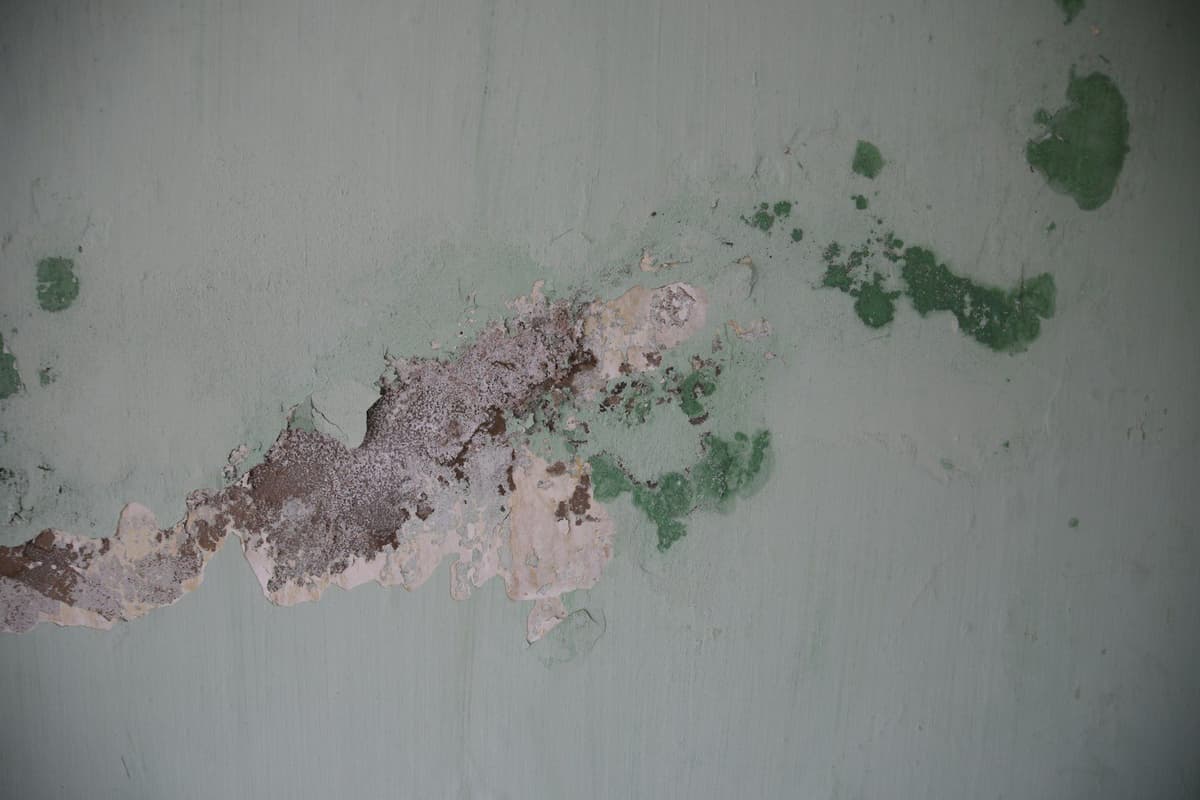
When requesting a quote, make sure the professional has seen the space (through photos and videos or via a visit) and knows the actual condition of the surfaces. A surface in poor condition may require additional preparation work1 that can only be detected by close inspection.
If you're painting before selling or letting, bear in mind that the paint must be completely dry and cured before professional photographs2, which can add an extra week to the total timeframe.
Finally, remember that our platform always requests photos and videos of surfaces before closing any quote, precisely to avoid surprises related to substrate condition. This way the professional can adjust the paint type and necessary preparation based on the actual conditions of your façade, and you avoid cost overruns or poorly planned work.
Ready to paint?
Get free quotes from verified local painters in minutes. No commitment.
Sources
External sources open in a new tab.