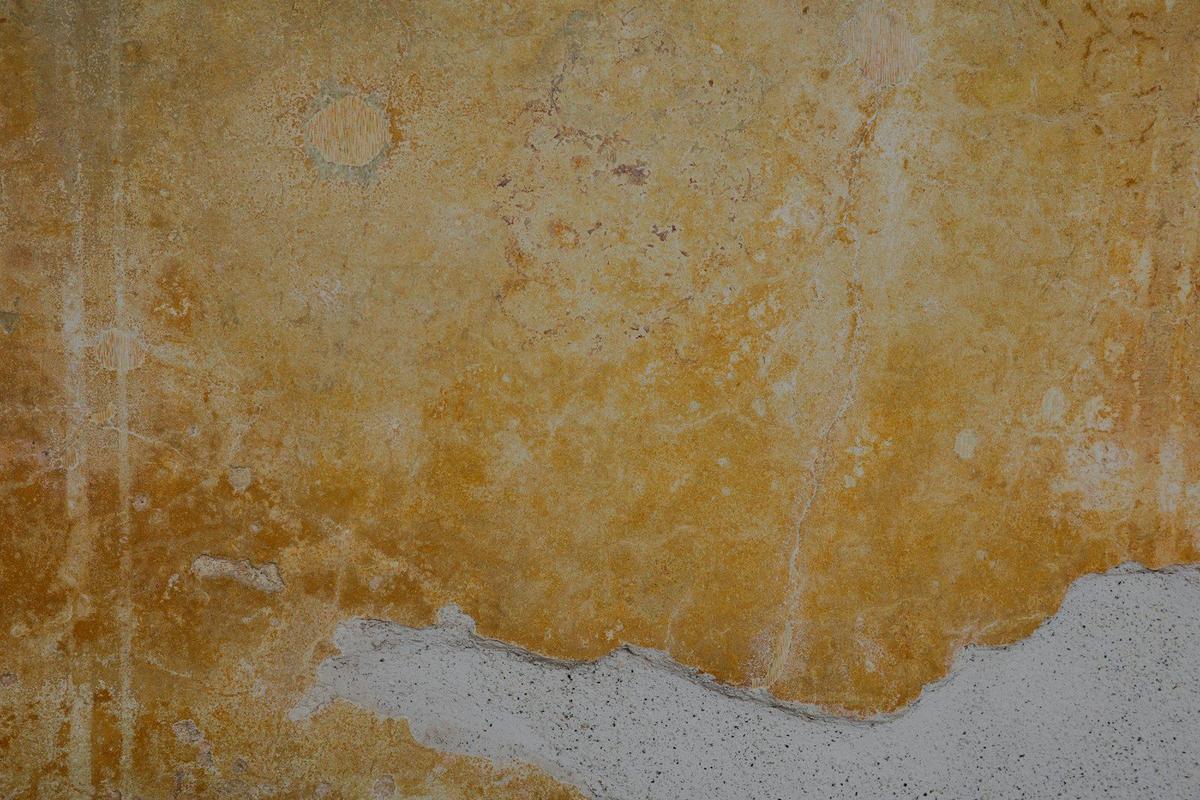
In many flats in Madrid, Barcelona or Valencia built between the 1960s and 1990s, gotelé (sprayed textured coating) still covers entire walls and ceilings. Before calling a professional, it is worth understanding what options actually exist: remove it completely, smooth it over or cover it with another solution. The right decision is not always the same for each wall, or for each home.
What type of textured coating is in the home before deciding anything
The water test to identify it
Not all textured coating behaves the same way. Water-based textured coating softens with water and can be scraped away with a putty knife, while plastic textured coating repels water, so wetting and scraping it does not work for removal. The most reliable way to tell is to test a small area in an inconspicuous spot: dampen it slightly and check whether it softens or not.
The age of the building matters
In very old flats, especially from the 1970s and 1980s, it is wise to be cautious before dry sanding. Some of the textured coatings applied in Spain between 1960 and 1990 included chrysotile asbestos fibres as a reinforcing additive, eventually banned by Royal Decree 396/2006. This does not mean there is cause for alarm, but if there is doubt about a very old property, it is reasonable to ask for an assessment first before starting heavy sanding.
Remove, smooth or cover: three different paths
There is no single correct way to leave a wall smooth. The choice depends on the type of textured coating, the condition of the base surface and whether it is a wall or a ceiling.
- Remove water-based textured coating while wet: dampen the surface and scrape it with a putty knife until the original base is exposed.
- Sand down the peaks with dust extraction: reduce the texture with a machine, generate dust that must be controlled with extraction.
- Cover with smoothing compound (filler): apply several thin coats over the textured coating and then sand it, without needing to remove it first.
This last option is usually the most common when the textured coating is plastic, because it avoids the effort of scraping a material that does not soften with water. In all three cases the wall is ready for priming and painting, but the path to get there is different.
Why the ceiling is not the same as the wall
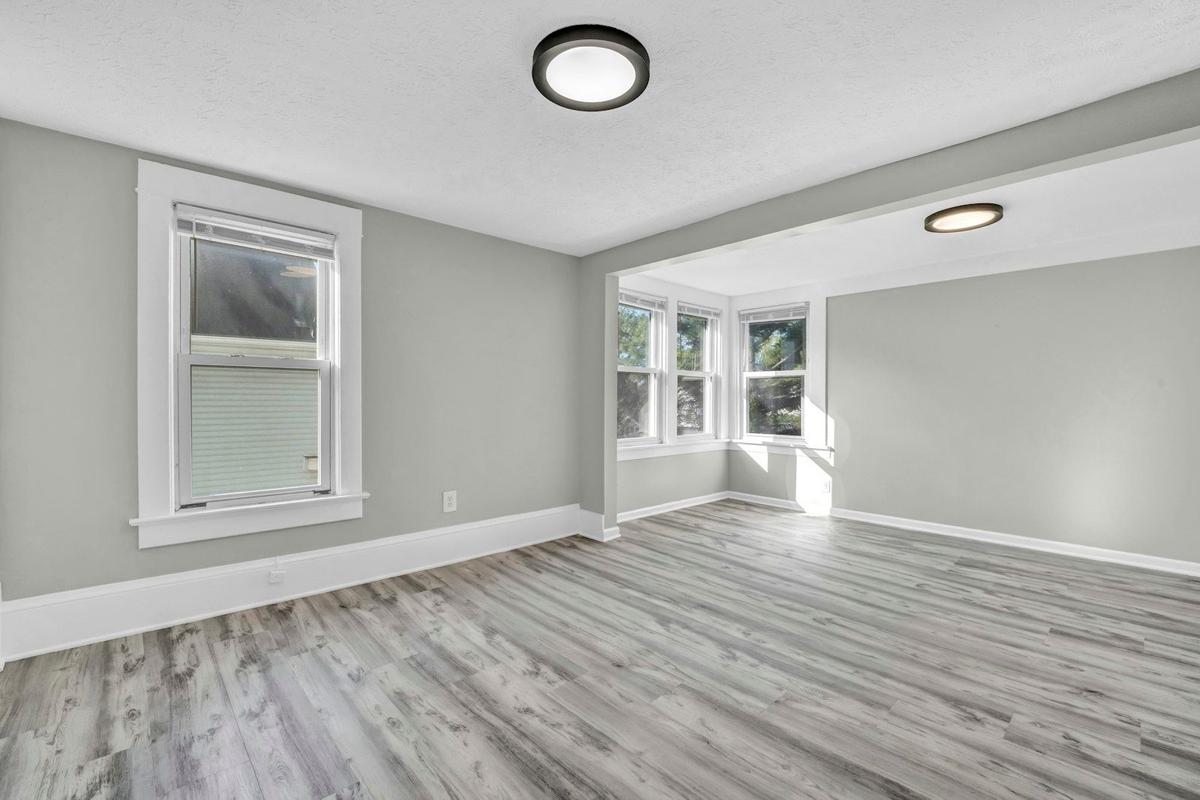
Ceilings accumulate more visible defects than walls because light passes through them at different angles. Once the surface has been smoothed, it is worth reviewing it under raking light before painting, as undulations appear there that are easily missed to the naked eye. If the textured coating is not completely removed in some areas, that residual texture does not disappear when smoothing over it, but rather becomes more noticeable when the rest of the surface is uniform.
How much it costs and how long it takes, depending on scope
Prices per square metre vary widely depending on the technique and type of textured coating. As a market reference, price guides consulted in 2026 typically place textured coating removal at around 8 to 15 euros per square metre, although the final price depends on the actual condition of each wall.
| Work scope | What it includes | Indicative reference |
|---|---|---|
| Texture removal only | Scraping or sanding, without smoothing | Most economical range |
| Removal and smoothing with filler | Scraping, smoothing compound, fine sanding | Mid-range |
| Smoothing, priming and painting | Complete process through to final finish | Higher range |
These figures are only indicative. A wall with cracks, dampness under the textured coating or multiple layers of accumulated paint may require much more work than another of the same size but in good condition. That is why, on our platform we always request photos and videos of the surfaces before finalising a quote1, precisely to avoid surprises midway through the work. The price per m² is confirmed only after the professional has seen the actual condition of the wall, either through photos and videos or with a site visit; both work the same way.
For those who want to go deeper into the complete technical step-by-step, there is already a practical step-by-step guide2 on the blog.
How to decide without wasting time or money
To avoid going in circles, it is wise to follow a logical order before requesting a quote:
- Do the water test in a hidden area to find out whether the textured coating is water-based or plastic.
- If the building is very old, do not dry sand without first ruling out doubts about the original material.
- Decide whether you want to eliminate the texture completely or simply cover it with smoothing compound.
- Ask the professional to see the actual surface, via photos and videos or a visit, before setting the final quote.
- Confirm whether the work includes ceilings or walls only, because the price and time change quite a bit.
This work is usually requested alongside a general interior painting3 renovation, and on our platform it can be requested only on the specific walls and ceilings that need it, without it being a mandatory part of the whole project. When the scope is agreed, the complete job details (which walls, which technique, which finish) remain visible online to the client, the professional and the platform, not just in a conversation or a separate piece of paper.
Frequently Asked Questions
Technically it is possible to paint over textured coating without touching it, but the result keeps all the texture and does not give a smooth modern finish. If the aim is a smooth wall, the textured coating first needs to be smoothed with filler or removed.
The simplest way is to dampen a small, inconspicuous area and observe what happens. If it softens and can be scraped with a putty knife it is water-based; if the water slides off without penetrating, it is plastic.
No, the client can request that the work be done only on walls, only on ceilings, or both, depending on what each room needs. The ceiling usually shows more defects with light, so it is worth evaluating it separately.
No, that type of price is always only indicative. Two walls with the same surface area can be in very different conditions, so the final price is only confirmed after seeing the actual condition of the surface, via photos and videos or a visit.
It is not uncommon to find stains or cracks when removing textured coating that were hidden before. In that case it is best to treat the underlying problem first before smoothing and painting, so that the final finish lasts longer.
Ready to paint?
Get free quotes from verified local painters in minutes. No commitment.
Sources
External sources open in a new tab.
- Precio quitar gotelé 2026: tarifa en Madrid y tabla por m²quitagotele.es
- Quitar el gotelé antes de pintar: guía práctica paso a pasomyfixio.es
- Pintura Interiormyfixio.es