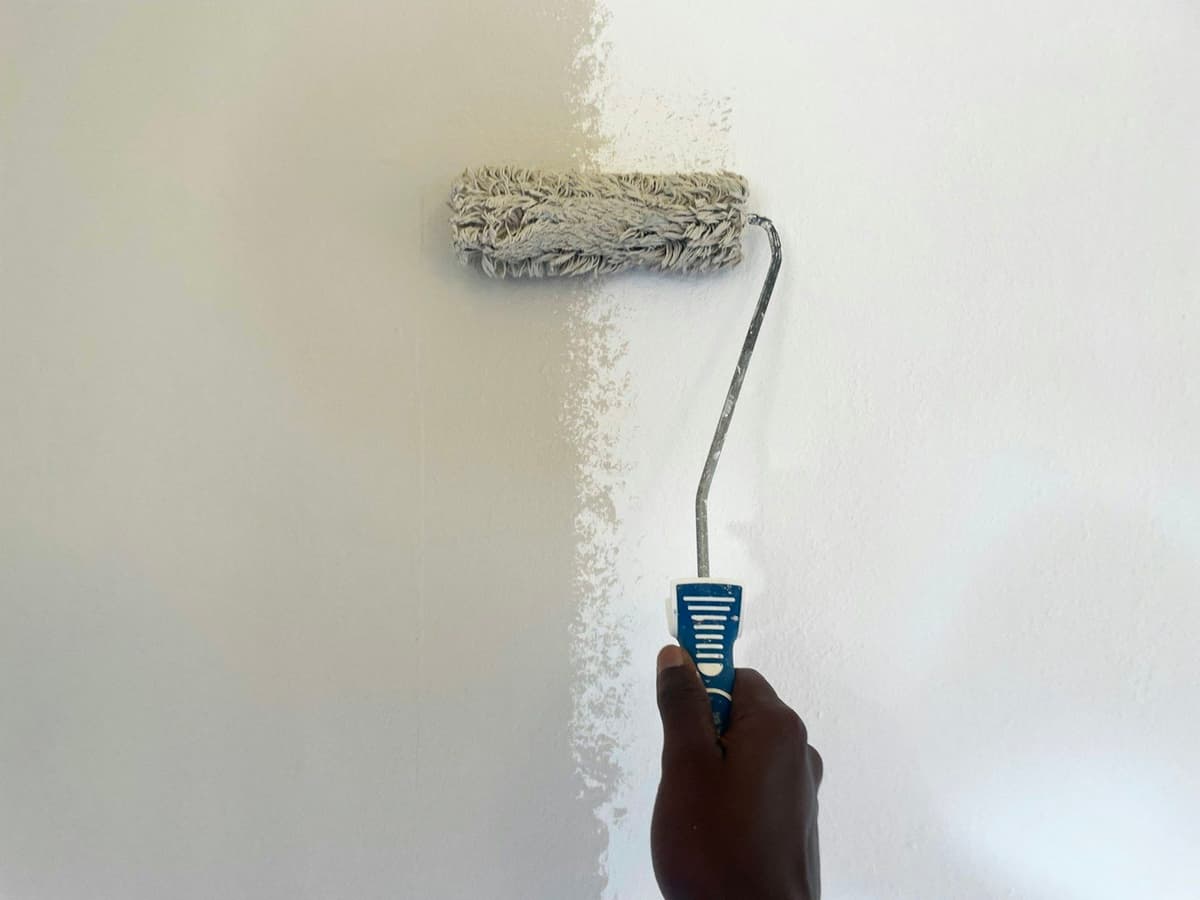
The appearance of a freshly painted facade depends not only on paint quality or workmanship. Climate plays a decisive role in how long that finish will last and what type of damage appears first. Ultraviolet (UV) radiation and the heat it generates accelerate the aging processes of coatings1, while constant rain, wind and sudden temperature changes act simultaneously on the paint film. In Spain, where Mediterranean, continental, Atlantic and subtropical climates coexist, understanding how each facade responds to its environment can make the difference between repainting every five years or every fifteen.
What the sun does to exterior paint and why it degrades faster in warm areas
Erosion is the gradual wear of the paint layer due to a combination of solar radiation, wind and rain, and ultraviolet radiation accelerates aging processes. In areas like Murcia, Almeria, Malaga or inland Andalusia, where annual sunshine exceeds 3,000 hours, paint faces two simultaneous phenomena: photodegradation of pigments and loss of resin elasticity.
Photodegradation is visible as discolouration. Dark colours lose intensity, reds and blues fade, and earth tones change shade. This happens because the molecular bonds of pigments break down under UV radiation. But the problem is not just aesthetic. Intense sunlight causes discolouration and surface deterioration, also compromising the cohesion of the paint film. Over time, that layer becomes brittle, microcracks appear and adhesion to the substrate decreases.
In dry, warm climates, paints resistant to solar rays, such as acrylics, are more recommended2. These formulations incorporate UV filters and pigments with greater light stability, designed to withstand prolonged exposure without losing cohesion or colour. Additionally, choosing light tones reduces the surface temperature of the facade. Very dark colours can raise surface temperature by 20 to 30 degrees compared to white, which aggravates thermal degradation.
How rain acts on facades and which areas of Spain suffer more damage from moisture
Rain does not just wet the surface, it also penetrates the pores of mortar, carries soluble salts and promotes the growth of fungi and algae. Moisture penetration creates mould and structural damage. This phenomenon is especially relevant in northern Spain (Galicia, Asturias, Basque Country, Cantabria) and mountainous areas where rain is frequent and relative humidity remains high for months.
When rainwater seeps under the paint film, it can cause blistering, peeling and dark stains. If the substrate is not well sealed or if the paint lacks water vapour permeability, moisture becomes trapped and generates pressure from inside. The result is a loss of adhesion that manifests as flaking or loose patches, especially visible in eaves, plinths and corners exposed to wind.
For these climatic zones, the most recommended paints are those with impermeable and breathable characteristics. Siloxane is a type of paint based on hydrophobic silicone resins, waterproof, with anti-mould preservative, and offers up to 15 years of durability, indicated for humid and extreme climates. These formulations allow water vapour to escape from the wall, but prevent liquid water from penetrating from outside, keeping the substrate dry and the paint intact.
The effect of temperature variations and wind on coating lifespan
Inland areas of the peninsula, such as Madrid, Zaragoza, Castile and Leon or Castile-La Mancha, are characterised by high temperature ranges: cold winters with nocturnal frost and summers with temperatures above 35 degrees. These sudden temperature changes cause contraction and expansion movements in the substrate (mortar, concrete, brick), and the paint must accompany those movements without cracking.
When paint lacks elasticity, cracks appear quickly. These cracks not only spoil the facade, they also allow water entry and the progression of moisture into deeper layers. That is why in continental climates it is essential to use elastic paints or formulations with high cracking resistance, capable of absorbing substrate movements without breaking the film.
Wind, for its part, acts as a mechanical wear agent. It carries particles of dust, sand and pollutants that impact the painted surface, eroding it gradually. In coastal areas (Mediterranean coast, Canary Islands, Balearic Islands), sea wind also carries salts that accelerate corrosion of metal elements and deterioration of paints not formulated for saline environments.
What to do to extend paint life according to your climate region
The durability of a painted facade depends on both the type of paint chosen and the timing of application and the substrate condition. Before painting, it is essential to inspect the surface condition: presence of cracks, active moisture, salt efflorescence, remnants of old poorly adhered paint. Painting over a poorly conditioned substrate guarantees failure in the medium term.
The time of year when painting occurs also directly influences the final result. Ideal application conditions are temperatures between 10 and 30 degrees Celsius, with relative humidity below 80 percent and no rain in the following 24 hours. In regions with very hot summers, such as Seville, Cordoba or Badajoz, it is preferable to avoid painting in the middle of summer, when temperatures exceed 35 degrees and drying is too rapid, which can cause bubbling and poor adhesion.
In humid northern areas, the application window is reduced to months with lower rainfall (typically between May and September), always ensuring that the substrate is dry before applying the first coat. Damp mortar does not allow paint to adhere correctly, and problems will appear in a few months.
Regarding paint type, the choice must adapt to local climate. In dry and sunny areas (Levante, eastern Andalusia, Canary Islands), acrylics with UV filter and light colours offer the best balance between durability and cost. In rainy areas (Galicia, Cantabria, Basque Country), siloxane or pliolite paints provide the necessary waterproofing and breathability. In continental climates with strong contrasts (Meseta, Ebro valley), elastic formulations prevent cracking.
Finally, preventive maintenance is key. A well-painted facade can last between 10 and 15 years in good condition, but only if the most exposed areas (eaves, plinths, corners) are reviewed periodically and small cracks or peeling are repaired promptly. Waiting for damage to become widespread forces much more costly interventions, which include complete substrate remediation, moisture treatment and application of multiple layers.
How to know if your facade needs a technical inspection before painting
Not all facades are ready to receive a new coat of paint. If you notice moisture stains that reappear after each repaint, chipping in lower areas, salt efflorescence (powdery white stains) or cracks that cross several courses of brick, the problem is not the previous paint, it is the substrate or an unresolved structural defect.
In these cases, painting directly only temporarily conceals the problem. Moisture will remain active, salts will continue to crystallise under the film and cracks will open again in a few weeks. Before requesting a paint quote, it is advisable to do a technical inspection to identify the cause of damage: roof leaks, internal condensation, capillarity from the ground, structural movements.
Once the underlying defect is identified and resolved, paint will perform its protective function for years. If painted over an unstable or damp substrate, failure is guaranteed, regardless of the quality of the product applied. That is why in demanding climatic zones (high humidity, intense sunshine, sudden temperature variations), substrate preparation is as important as paint choice.
When requesting a quote, ensure the professional has seen the real condition of the facade, either through detailed photos and videos or with a visit. Our platform always requests images of surfaces before closing any quote, precisely to avoid surprises once work has begun. A serious quote should include an assessment of substrate condition, necessary prior repairs and the type of paint recommended according to your area's climate.
Sources
External sources open in a new tab.