Painting a facade in Spain requires more than choosing a good colour and hiring a professional painter. The climate, especially in regions with high humidity or unexpected rainfall, can become the main enemy of quality work. While excessive heat dries paint poorly and high humidity causes blistering, the most critical situation is when rain appears before the paint has fully cured.
In areas like Galicia, Asturias, the Basque Country, Cantabria, or even the Valencian Community during autumn, weather conditions can change within hours. This article explains what to do if you face this situation, how to minimise damage, and what decisions to make based on the work's condition.
Why rain damages fresh facade paint
Exterior paint needs time to form a continuous protective film on the surface. During the first few hours, rainwater can dilute the applied layer, create drip marks, generate irregular stains, or even detach the paint completely if adhesion has not yet solidified.
Humidity is one of the main enemies of facades, and rain, combined with pollution, can cause fungi, mould, and stains to appear. When paint has not completely dried, that water penetrates the pores of the coating and becomes trapped under the surface layer, accelerating degradation and reducing the finish's durability.
Temperature and relative air humidity also play a key role. The ideal temperature for exterior paint is usually between 10°C and 25°C, a range that ensures the paint flows smoothly, adheres correctly, and cures uniformly, producing a long-lasting finish. Outside that range, paint can take much longer to dry or cure poorly.
What to do in the first hours if it starts to rain
If rain arrives while work is still fresh, immediate action is essential. The first step is to stop any further paint application and protect newly painted areas with waterproof tarps or thick plastic sheets. It is important to secure them well to prevent wind from lifting them and creating marks by rubbing the wet paint.
If the paint has been applied less than two hours and the rain is intense, it is likely that area will need to be completely cleaned and repainted. If it has been more than four hours and the layer already has some film formation, it may only need gentle sanding and an additional coat to correct surface defects.
In any case, do not try to assess damage while the surface is still wet. Wait at least 24 hours in dry conditions before inspecting in detail. During this time, avoid touching or rubbing the paint, as it could become detached or marked.
How to assess whether the facade needs repainting
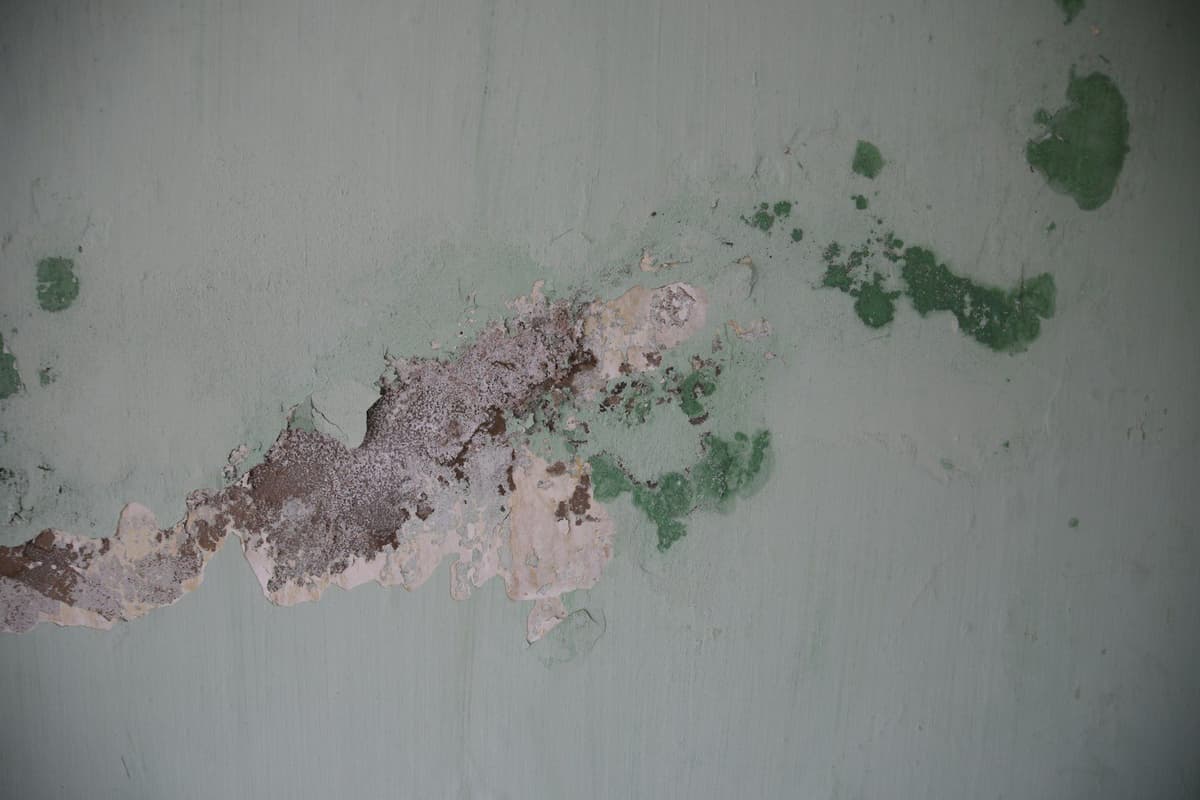
Once the surface is completely dry, examine the facade at different times of day, in direct natural light and also in shadow. Look for signs such as vertical drip marks, areas with different gloss, whitish spots (efflorescence caused by trapped water), bubbles, or areas where paint has lifted.
Run your hand gently over the surface. If you feel uneven texture, graininess, or areas where paint comes off easily, that area needs intervention. If the paint appears uniform, with no deformations or colour changes, it is possible the rain has not caused serious damage.
Remember that our platform always requests photos and videos of surfaces before closing any quote, precisely to avoid surprises in the work's actual condition. In this case, those images also help the professional assess remotely whether a return visit is needed and to what extent.
Situations where repainting is mandatory
There are three scenarios where repainting is the only option:
Paint applied less than four hours ago with intense rain
The layer has not had time to form a film. Water has diluted the material, washed it away, or created drips. Here you must clean, let it dry for at least 48 hours in suitable conditions, and reapply.
Appearance of bubbles or flaking
If, once the facade is dry, you observe bubbles or areas where paint lifts when you press lightly, water has become trapped under the film. Those areas must be sanded, cleaned, and repainted. Otherwise, degradation will continue.
Visible stains or obvious colour differences
If rain has left permanent marks or areas with a different colour, the finish is no longer acceptable. It may be corrected with a single additional coat, but in some cases sanding and applying two new coats to the affected area is necessary.
How to prevent this problem in future work
The best strategy is to choose the right time. Check weather forecasts at least 72 hours in advance and avoid starting work if there is more than a 30% chance of rain in the following 48 hours.
In regions with changeable climate, such as northern Spain or mountain areas, plan facade work in the most stable months: May, June, and September usually offer more predictable conditions than July and August (too hot in many areas) or winter months (cold, high humidity, and short days).
You can also opt for fast-drying paints specifically formulated for exteriors. These high-quality acrylic paints form a film in less time, reducing the window of risk from weather changes.
What the professional says and how it is managed in the quote
When you hire through our platform, the scope of work is recorded visibly for the client, the professional, and the platform. This includes the number of coats agreed, the type of paint, and the expected conditions.
If rain requires repainting, it is important to review what the initial agreement covers. If the professional started painting while ignoring a clear rain forecast, responsibility may rest with them. If the rain was unforeseeable and the professional acted with due diligence, it is reasonable to negotiate how to split the additional cost or agree to simply reschedule the work without extra charge.
In any case, the platform's payment model protects both parties: 50% at the start (to reserve the date and purchase materials) and the remaining 50% at the end, once it is verified that the work is completed correctly. This allows you to hold the final payment until confirming there is no rain damage or other issues.
What to do if you already accepted the work but now see damage
If the professional marked the work as complete but days later you notice defects related to rain, document everything with high-resolution photos from several angles. Notify the professional through the platform and request a review.
If the problem is structural (bubbles, flaking, permanent stains), the professional must correct it at no additional cost, provided the contract includes a guarantee of results (which is standard in facade painting work).
Remember that our platform verifies that all professionals are properly registered as self-employed or have an incorporated company. This gives you additional security in case of claims or need for later corrections.
Ready to paint?
Get free quotes from verified local painters in minutes. No commitment.