Painting a facade with active moisture is like repairing a boat with a leak without plugging it first: the problem will return soon and the work will be ruined. Many property owners discover stains, peeling, or mold a few months after an intervention that seemed flawless, simply because the surface was not prepared properly before applying the first coat.
In many regions with diverse climates, from constant coastal humidity to extreme interior dryness and salt-laden air in seaside areas, understanding how to prepare a facade against moisture is not a luxury but a technical necessity that extends the lifespan of the paint and protects your investment.
Why surface preparation makes the difference
Anti-moisture paint does not eliminate existing moisture or repair structural damage. Its function is preventive: it acts as a barrier once the surface is dry, clean, and stable. Applying any paint, however good it may be, over a wall with active moisture, visible salts, or mold residue drastically reduces its effectiveness and can ruin the result in just a few weeks.
Before any work, it is essential to identify the source of the moisture. Leaks through cracks, capillary rise from the ground, condensation, or lateral rain require different solutions. If there is active seepage or a serious insulation problem, that must be resolved first. Paint should never substitute for necessary structural repairs.
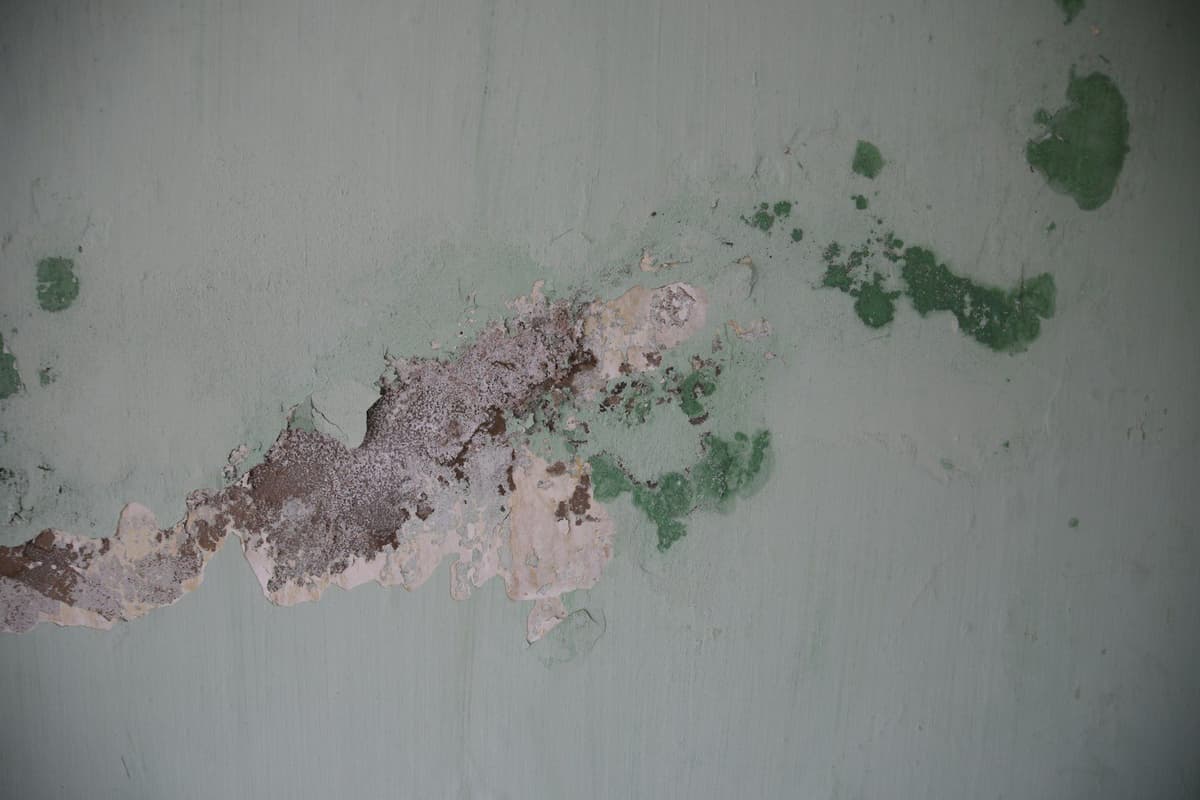
Once the source is controlled, the surface must be completely clean and dry. Painting over flaking areas, salt accumulation, or loose paint compromises adhesion and reduces the durability of the finish. This preliminary step should not be skipped even if it means delaying the work a few days: complete drying of a facade after thorough cleaning can take one to two weeks, depending on climate and wall orientation.
How to clean and treat the facade before painting
The first step is to remove all visible dirt: accumulated dust, flaking old paint, grease, and stains. This can be done using water pressure (without excessive force to avoid damaging the mortar), stiff-bristled brushes, and for persistent grease, neutral detergents or products recommended by the paint manufacturer.
If there is mold or algae, it is not enough to paint over it. Mold is a living organism that will continue to grow under the new paint layer if not properly eliminated. The most effective approach is to apply a specific fungicidal cleaner, let it work according to product instructions, and then rinse with clean water. In severe cases, the process may need to be repeated. Only when the surface is completely dry and free of fungal growth can you proceed with primer and paint.
Salt efflorescence (those white stains that appear on facades exposed to moisture, especially in coastal areas) must be treated with special care. They are removed by dry brushing or with salt-neutralizing products. If salt is left untreated, it will continue to crystallize under the paint and cause peeling. In seaside areas, this problem is recurring and it is wise to choose paints with high alkali resistance afterwards.
Once cleaned and treated, the facade must dry completely. Applying paint over a damp surface prevents proper adhesion and encourages blistering. Drying time varies greatly depending on climate: in dry summer conditions, 3 to 5 days may suffice, while in humid winter or on north-facing facades it may take more than two weeks. There is no need to rush: it is worth waiting.
Choosing the right paint system for your climate
Not all paints perform equally against moisture or are suitable for all climates. In areas with high humidity or frequent rain (coastal regions, mountain zones), siloxane paints are a solid technical option: they balance water impermeability with vapor permeability, allowing the facade to "breathe" without becoming waterlogged. Silicate paints also offer good breathability and are especially useful in old masonry renovations.
In dry inland climates or areas with intense solar radiation, quality acrylic paints offer a good balance between durability, aesthetics, and price. They are versatile and work well on most conventional facades, although they lose effectiveness in very aggressive environments (constant humidity, proximity to the sea).
If the facade is in a coastal area, subject to salinity and salt-laden wind, it is wise to choose formulations specifically designed to resist alkalis and salt corrosion. These paints are usually more expensive, but they significantly extend the lifespan of the finish and reduce long-term maintenance. Pliolite paints, though increasingly less used, still offer moderate color stability in neutral and earth tones for less demanding environments.
Before deciding, it is helpful to consult the professional who will carry out the work: a painter with local experience knows well how different systems behave in the area's climate and can guide your choice based on wall orientation, wind exposure, or permanent shade.
Common mistakes that ruin the result
One of the most frequent mistakes is applying paint too soon, without waiting for complete drying after cleaning or after rain. The rush to finish the job often compromises adhesion and, with it, the durability of the entire system. Another common error is not using primer when the surface requires it: on very porous facades, with repaired areas or salt residue, a good specific primer improves adhesion and homogenizes substrate absorption, preventing stains and peeling.
It is also common to underestimate the importance of weather conditions during application. Painting at temperatures too low (below 5°C), with very high relative humidity, or under intense direct sun affects drying and can ruin the finish. Most manufacturers clearly state in their technical data sheet the optimal application conditions: respecting them is not a whim, it is ensuring that the product works as it should.
Finally, trusting that anti-moisture paint will solve a structural problem on its own is a fundamental mistake. Paint prevents, it does not repair. If moisture comes from a crack in the wall, a broken downpipe, or serious lack of insulation, no miracle paint will solve it permanently. The cause must be addressed first, and only then protected with paint.
What to do when the work is underway
If you decide to hire a professional to paint the facade, make sure the quote includes the surface preparation phase, not just paint application. A quote that seems very cheap but does not mention cleaning, treatment, or primer usually hides additional costs later or, worse, poor workmanship.
When requesting quotes through our platform, professionals always confirm they are properly registered as self-employed or as a constituted company, which gives you an additional guarantee of formality. Moreover, the usual payment system (50% at the start to reserve the date and buy materials, and 50% at the end after verifying the work) allows you to check that preparation has been done correctly before closing the final payment.
If the quote is based on square meters, remember that this figure is always indicative: two facades with the same surface area can be in very different condition (one clean and another with moisture, salts, and peeling), and that directly affects the final price. This is why our platform always requests detailed photos and videos of the surfaces before finalizing any quote: this avoids surprises once work has started and allows the real price to be adjusted to the complexity of the job.
Preparing a facade well against moisture before painting is not the most visible part of the work, but it is what determines whether the paint will last two years or ten. It is worth taking the time, doing it right, and not skipping steps.

Ready to paint?
Get free quotes from verified local painters in minutes. No commitment.