Eco-friendly paints have ceased to be a niche reserved for very specific projects. Today, the range of paints with low or zero volatile organic compound (VOC) content for facades is broad, and their performance has reached levels comparable to, or even exceeding, conventional formulations. However, choosing an eco-friendly paint for your facade means more than looking for a green label: it requires understanding what distinguishes a truly sustainable formulation, how it behaves in your local climate, and when it's worth the investment.
What makes a facade paint truly eco-friendly
The term "eco-friendly paint" encompasses very different products, from low-VOC paints to completely natural formulations. The distinction between low-VOC paints and natural paints is key. The former, usually water-based acrylics, contain less than 30 grams of VOC per litre according to the European eco-label, or even less than 5 g/l in so-called "zero-VOC" versions. The latter, meanwhile, are formulated with raw materials of natural origin (vegetable oils such as linseed, natural resins, silicates, lime or citrus derivatives), without synthetic chemical products.
For facades, the most common eco-friendly paints are silicate, lime or water-based acrylics with low VOC. Silicate paints stand out for their durability and breathability, properties that are fundamental for allowing walls to breathe and preventing moisture from becoming trapped behind the paint layer. Lime formulations, traditional in many areas, offer a matte finish and excellent antibacterial capacity, while being completely natural. Low-VOC acrylics, for their part, combine ease of application, good adhesion and weather resistance with minimal emissions during and after painting.
An important point: natural paints do not create an impermeable layer over plaster or cement, but rather allow the wall's renders to breathe, a factor especially relevant for older facades or areas with seasonal humidity.
Performance and durability on exteriors: are they up to the task?
One of the most frequent concerns is whether eco-friendly paints hold up equally well on facades exposed to sun, rain, coastal salinity or freeze-thaw cycles. The answer is that it depends on the type of formulation and the quality of the manufacturer. High-end low-VOC acrylic paints now offer coverage of up to 560 square feet per gallon (approximately 12 to 14 m² per litre), exceeding many conventional paints, and maintain their colour and adhesion for 5 to 10 years on exteriors, depending on exposure.
Silicate paints, for their part, stand out for their weather resistance and longevity: they can last decades without losing their tone or flaking, provided they are applied to suitable surfaces (mineral render, cement, brick) and the preparation protocol is respected. Lime paints are more delicate, but their self-regenerating capacity (lime continues to carbonate over time) makes them an exceptional choice for historic facades or dry climates.
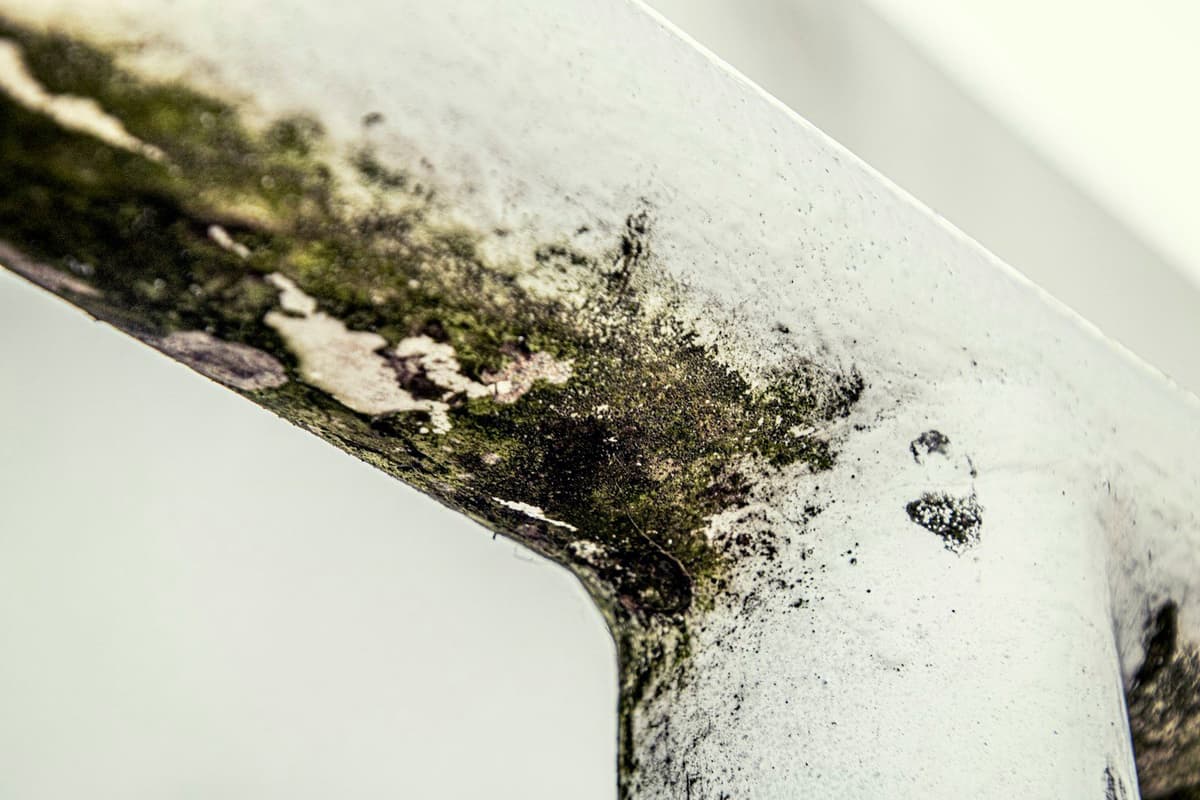
As for performance, modern eco-friendly paints equal or exceed conventional ones in adhesion, flexibility and resistance to fungi and algae, especially if you choose products with recognised certifications. Some brands already incorporate pigments of mineral or vegetable origin without heavy metals, which reduces environmental impact without compromising colour intensity.
How to choose the right eco-friendly paint for your facade
Your choice depends on three main factors: the condition and type of substrate of your facade, your local climate and the level of exposure to external agents. If your facade has mineral render or cement and is in good condition, silicate or lime paints are excellent options, especially in areas with humid winters or very dry summers. If you're looking for greater colour variety and ease of application, low-VOC acrylics are more versatile and adhere well to most substrates, including older previously painted renders.
In coastal areas, where salinity and humidity are constant, it's advisable to choose paints with high breathability and resistance to algae and fungi. Mineral silicate formulations and acrylics with anti-mould additives (without toxic biocides) are most recommended. In continental climates, with large temperature swings, paint flexibility is key to prevent cracking: low-VOC acrylics usually offer greater elasticity than rigid natural paints.
When requesting quotes, ask about the VOC content of the product (it should appear on the technical data sheet) and any certification it may have. The European eco-label, a "Zero-VOC" designation (less than 5 g/l) or international certifications such as Greenguard Gold are reliable indicators. Our platform always requests photos and videos of the surfaces before finalising any quote, allowing professionals to recommend the most suitable paint type for the actual condition of your facade, anticipating any preparation or prior treatment needs.
Application and care: what changes compared to conventional paints
Applying eco-friendly facade paints does not differ radically from conventional paints, but does require certain adjustments. Silicate paints, for example, require that the substrate is clean, dry and free of previous plastic paint residue, as they do not adhere well over old acrylics. Lime, for its part, must be applied to moist surfaces in thin coats, and its drying is slower.
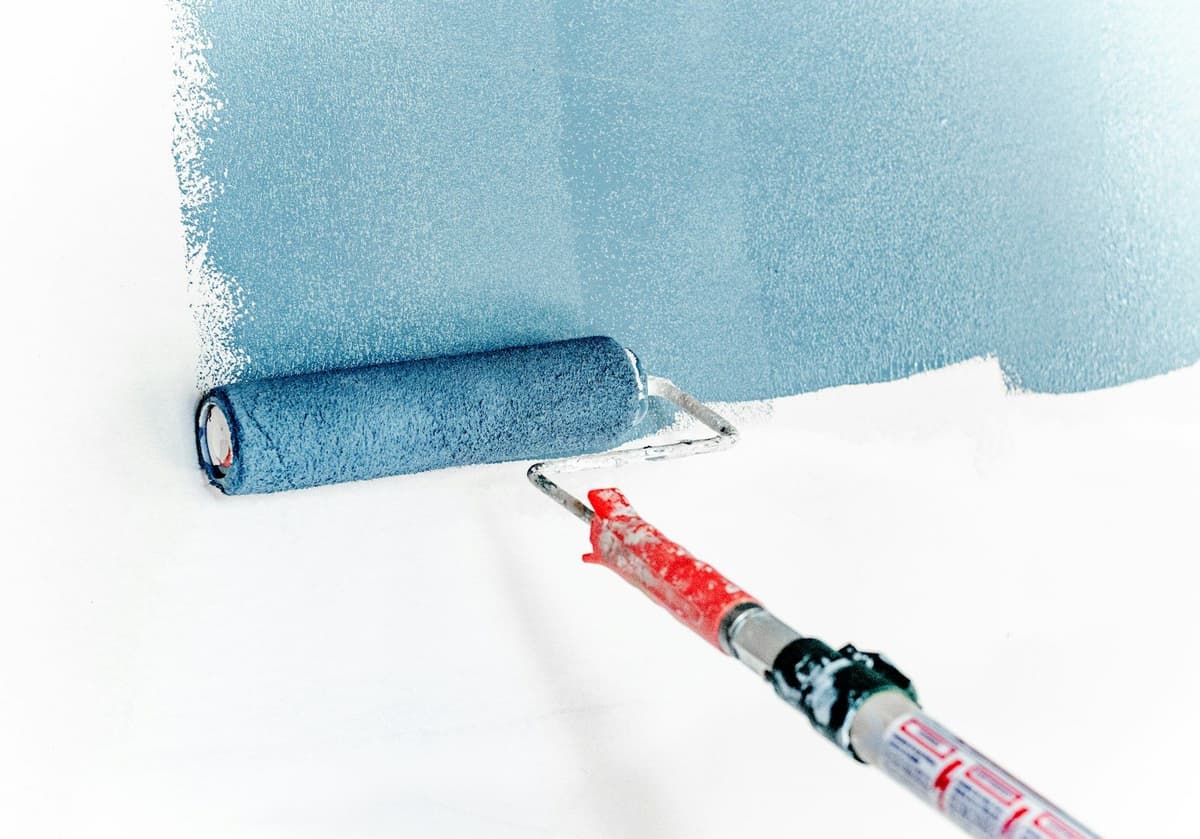
Low-VOC acrylics, on the other hand, are applied with brush, roller or spray gun without major complications, although it's advisable to respect the recommended application temperatures (generally between 10 and 25 °C) and avoid days of strong wind or imminent rain. One advantage is that their low VOC content means smell is minimal or non-existent, making it easier to work in occupied areas or apartment buildings without causing inconvenience.
As for maintenance, facades painted with eco-friendly products usually require fewer touch-ups than conventional ones, provided prior preparation was correct. Silicate and lime paints, in particular, age evenly, without flaking or yellowing, which extends the life of the finish.
Why choose eco-friendly paints for your next facade renovation
Choosing an eco-friendly paint for your facade is not only a matter of environmental responsibility: it's a decision that directly impacts the durability of the finish, the health of your immediate surroundings and the long-term value of your home. Current low-VOC or natural-based formulations offer technical performance comparable to conventional ones, with the added benefit of minimising toxic emissions, allowing the wall to breathe and reducing environmental impact.
If you're about to paint your facade, ask professionals to present you with certified eco-friendly options, compare VOC content and consider your local climate when choosing between silicates, lime or low-VOC acrylics. Our platform verifies that all professionals are registered as self-employed or have a registered business, and facilitates the quote request process with prior photos and videos, so you can receive recommendations tailored to the actual condition of your facade. Payment is structured in two parts (50% at the start to reserve the date and purchase materials, and 50% at the end after verifying the work), ensuring transparency and security throughout the process.

Ready to paint?
Get free quotes from verified local painters in minutes. No commitment.