Painting a facade with damp stains is one of the most frequent questions we receive. Many property owners decide to apply a fresh coat of paint hoping the problem will disappear, but within weeks or months the stains return. The reason is straightforward: if you don't identify and fix the source of the damp before painting, you're only hiding the problem temporarily.
Why damp appears on facades and how to identify it
Exterior facades are exposed to rain, sudden temperature changes and condensation. These conditions can cause three main types of damp, each requiring a different treatment.
Capillary damp appears in the lower part of walls (roughly up to one metre high) and is usually accompanied by salt deposits and paint flaking. It occurs when ground water rises through the pores of building materials. Penetrating damp, on the other hand, is caused by leaks, cracks in the render or waterproofing problems, and tends to appear in very specific areas following heavy rain. Finally, condensation damp occurs when water vapour in the air comes into contact with cold surfaces, creating droplets that can stain north-facing walls or poorly ventilated areas.
Before painting, it's essential to know which type of damp you're dealing with. If you paint directly over a stain without addressing the cause, that stain will break through the new paint layer in no time.
Preparing the facade before painting: cleaning and treating stains
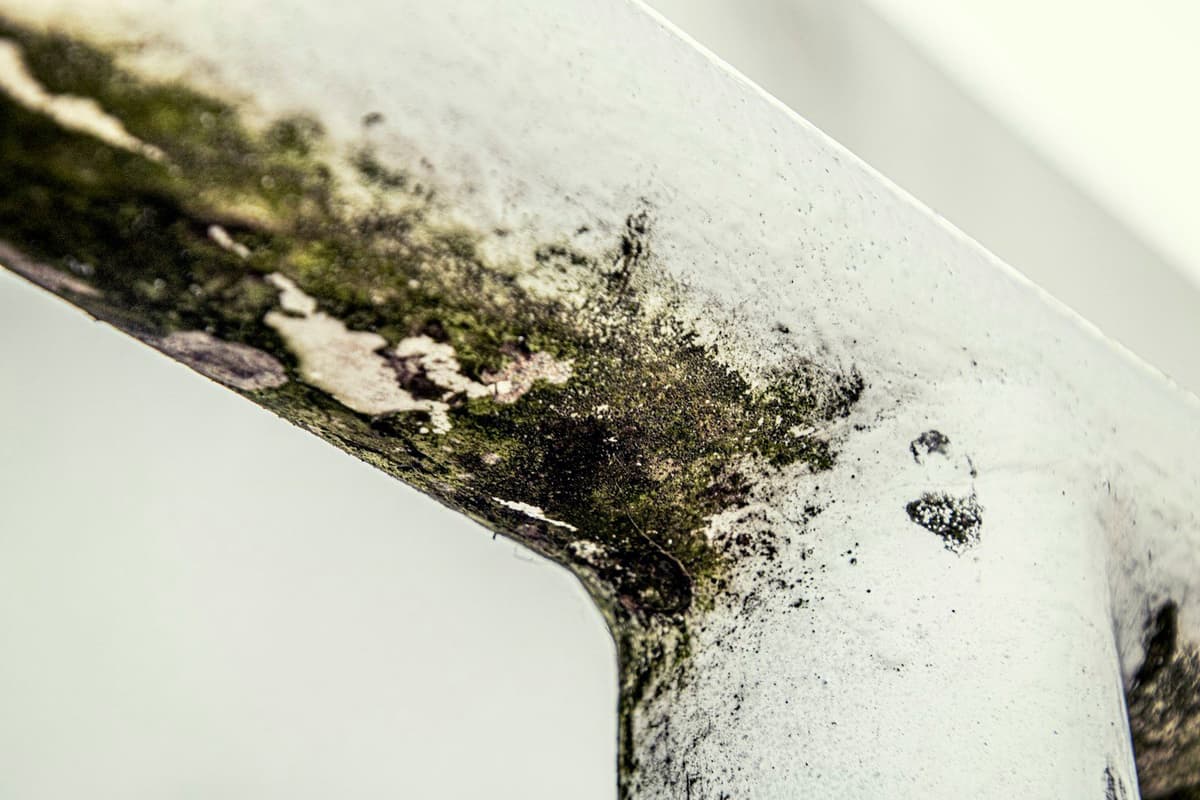
Once you've identified and resolved the cause of the damp (by repairing leaks, improving waterproofing or treating capillary damp), the next step is to prepare the surface. Mould stains and salt efflorescence don't disappear simply by painting over them: they must be completely removed.
To clean surface mould and organic stains, it's recommended to apply a specific cleaning product, leave it to work for 15 to 20 minutes, rinse with pressure water from top to bottom and allow the surface to dry completely. If the facade has salt deposits (whitish crystals), you need to brush the area and remove any flaking paint before continuing.
On facades that have suffered from damp for a long time, it's common for the surface to have different levels of absorption. Applying finish paint directly can cause colour differences or the coat to come away over time. That's why, after cleaning, it's worth applying a sealing primer that evens out absorption and improves the adhesion of the final paint.
Choosing the right paint for facades with a history of damp
Not all paints are equal when it comes to surfaces that have had damp problems. Conventional paints don't block stains or prevent them from returning, so you need to use specific formulations.
Stain-blocking or stain-killing paints are designed precisely to cover damp and mould stains, preventing them from showing through the new coat. They're especially useful when damp has left persistent marks even though the source of the problem has been solved. On the other hand, paints with anti-mould and antifungal additives include preservatives that make it harder for new surface mould colonies to form, which is useful on north-facing facades or areas with little sunlight.
It's also important to choose breathable paints (water vapour permeable) that allow the wall to breathe without accumulating more moisture inside. Water-based acrylic formulations with anti-mould preservative are usually a good option for facades in damp areas or with a history of condensation.
When to ask for professional help and what to expect from the process
If damp stains are extensive, appear repeatedly or you're unsure about the source of the problem, the most sensible thing is to request an assessment before painting. A professional can accurately identify the type of damp, propose the right treatment and carry out both the repair and painting with the necessary guarantees.
On our platform, all the painters we present are properly registered as self-employed or have a registered company, so you can be reassured about their legal status. We also always ask for photos and videos of the surfaces before finalising any quote. This is especially important when damp is involved: although two facades may have the same surface area, their actual condition (cracks, mould, render degradation) can be very different, and only with prior images can the scope of work be anticipated and surprises during the job avoided.
As for payment, the model is clear: 50% upfront (to reserve the date and purchase materials) and 50% at completion, once the work has been verified. This way, both you and the professional have the assurance that everything proceeds as agreed.

Ready to paint?
Get free quotes from verified local painters in minutes. No commitment.