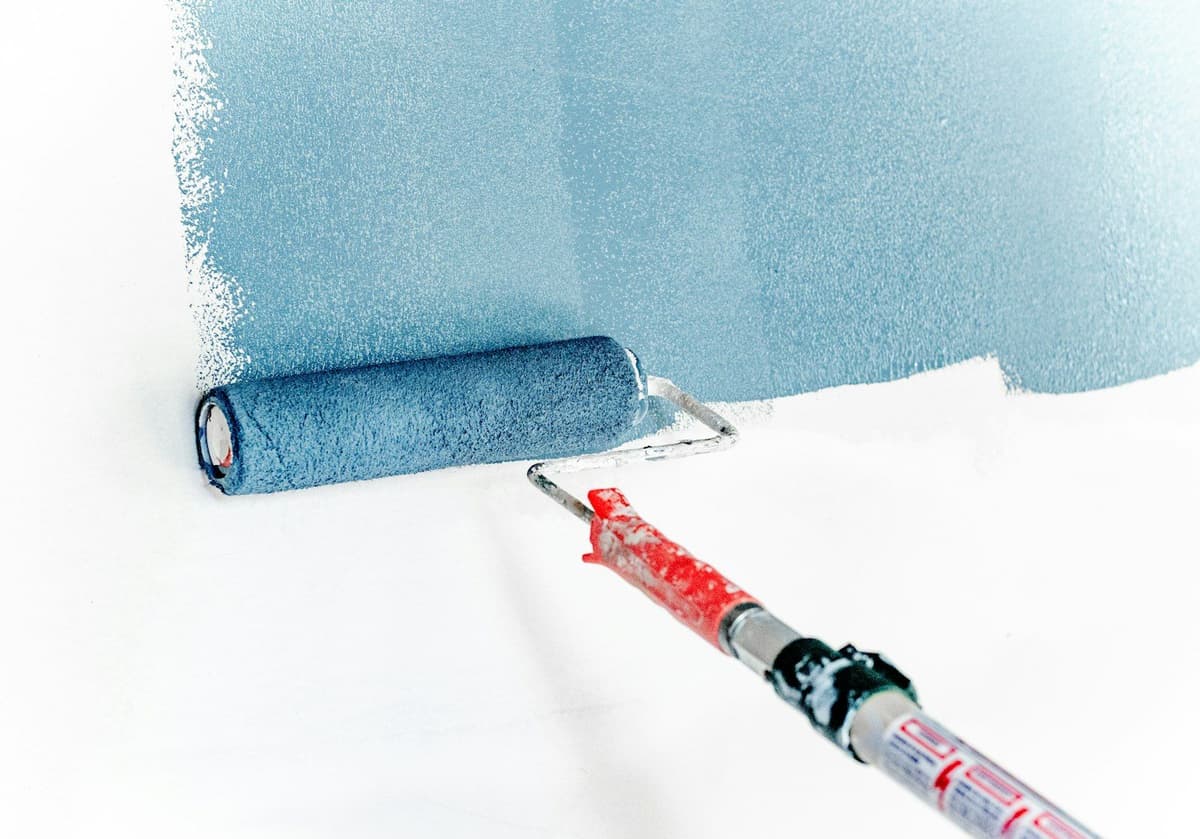
Painting a property before selling or renting it is often presented as a safe investment, one of those renovations that never fails. But the reality is more nuanced. The return can vary between 100% and 200% of the initial investment, but it depends on the property's starting condition, the type of operation (sale or rental), and the area where the property is located. In tight markets like Madrid, Barcelona or Valencia, a fresh coat of paint can speed up viewings and close the deal in less time. In quieter markets, it is not always the deciding factor.
This guide looks at when painting pays off, which rooms you should prioritise, and when it is better to spend that budget on another improvement. Without promises of automatic appreciation, but with clear criteria.
When painting before selling or renting delivers real returns
Not all flats need the same preparation. Painting is worthwhile when walls show stains, visible wear, surface cracks, or personalised colours that reduce the property's visual appeal. Also when the current tone is dark or outdated, because today's buyers and tenants are looking for neutral, bright spaces ready to move into.
Painting a property before putting it on the market remains one of the small renovations that offers the best returns, especially if neutral colours are chosen to attract more buyers and make it easier for them to imagine their future home1. In a sale, the goal is to remove objections during viewings. A stained wall, a ceiling with water damage, or a bold colour can lower the closing price or extend the time on market.
In a rental, the logic shifts slightly. The tenant values a clean, neutral flat with no surprises, but as a landlord you also care about durability: if you are going to repaint every two years because the paint was not quality, your net return drops. Here, investing in washable, durable paint with a matt or satin finish (depending on the room) is smarter than always going for the cheapest option.
Which rooms to paint and which you can leave as they are
You do not need to paint everything. Cost-benefit thinking says you should focus on the areas a buyer or tenant sees in the first 30 seconds of the viewing: living room, hallway, master bedroom, and ceilings with visible stains. These rooms shape the first impression and carry more weight in the final decision.
In cities like Madrid, Barcelona or Málaga, where the rental and property sales market is especially active, that first impression can be the difference between getting a quick offer or dragging out the marketing for weeks. The living room and hallway are critical because they take up most of the viewing time. If the living room has a stained wall or a yellowed ceiling, the rest of the house fades into the background.
Secondary bedrooms, the inside of wardrobes, storage rooms, or dim corridors can be left as they are if their condition is acceptable. There is no point painting walls that the buyer will probably tear down in a later reorganisation. Always ask yourself: does this add to the listing photo? Does this change how it feels during the viewing? If the answer is no, do not paint it.
Differences between preparing a flat for sale and for long-term rental
Painting to sell is not the same as painting for rental. In a sale, you are after immediate visual impact: the listing photos work, viewings flow smoothly, and the buyer does not find easy excuses to push down the price. Here, finish matters more than durability. You can use standard quality matt plastic paint on walls, as long as the result is clean and neutral.
In a rental, durability is key. You are handing over that flat to a tenant who will use it for years, and you cannot afford to repaint it every time a wall gets marked or paint peels off in the kitchen. Here, the investment should go to washable paint in high-traffic areas (kitchen, bathrooms, hallways), satin finishes that resist wear better, and materials that withstand regular cleaning without losing colour.
The colour palette shifts too. In a sale, you can take a small risk with warm beiges, soft greys, or olive green on an accent wall, as long as the rest of the flat is neutral. In a rental, the safest bet is off-white or very pale beige throughout, because you reduce the risk of the tenant thinking the colour "is not for me" and asking for a change.
When painting does not pay and you should invest in something else
There are cases where painting is money wasted. If the property has serious structural issues (active damp, deep cracks, outdated installations), painting just hides the problem during the first viewings, but does not fix it. The buyer or tenant will spot it, and your paint investment will have been for nothing.
Painting before selling or renting usually pays off because it is one of the cheapest improvements in relation to its effect on viewings and listing photos2, but the return depends on the area and starting condition. If the flat is in a zone like Valencia, Seville or Bilbao where demand is low and prices are stuck, it is possible that a fresh coat will not speed up the sale or justify a higher price. In that case, it is better to adjust the sale or rental price and market as it is.
You also need to weigh the opportunity cost. If you have a tight budget and the flat has a very outdated kitchen or bathroom, investing in refreshing those spaces (even just a basic update) might give you more return than painting the living room. The kitchen and bathroom are the two rooms that most affect the buy or rental decision after the living room.
How to get the most out of your painting investment
If you decide to paint, do it well. Choose neutral, bright tones (off-white, sand beige, light grey) that work in listing photos and visually expand spaces. In 2026, neutral tones, beiges, sand shades, olive greens, or warm greys are on trend, amplifying light and creating a sense of space, ideal for an inviting and timeless feel.
Make sure the work includes surface preparation: sanding, filling cracks, priming if needed. Paint applied directly onto a badly prepared wall does not last, does not cover, and shows. Ask for the quote to itemise those tasks. On our platform, all job details stay in writing and visible to the client, the professional, and the platform, which rules out surprises mid-way through.
If the flat is in a city like Granada, Zaragoza or Murcia, where the property market is dynamic but not as saturated as Madrid or Barcelona, good execution makes more difference than the amount of paint applied. Prefer quality in preparation and finish over painting every room in a rush.
Finally, remember that our platform always asks for photos and videos of surfaces before closing any painting quote, precisely to avoid surprises when the professional starts work. Two flats the same size can have surfaces in very different states, and that changes the price and time needed. Seeing the space first (via photos, videos, or a visit) is essential for a realistic quote.
Sources
External sources open in a new tab.