Getting a painting quote should be straightforward: you send measurements, receive a figure, and decide. Yet many homeowners are surprised when the final cost doesn't match expectations, or when one quote is significantly higher than another for the same work. The difference is rarely arbitrary; technical factors multiply the hours needed, materials consumed, and therefore the final cost.
This article identifies aspects that raise painting quotes in Spain, explains why they happen, and what you can do before hiring to avoid surprises.
Floor square meters vs. paintable surface
A common mistake is confusing floor area with paintable area. A home with 90 m² of floor space may have between 270 and 300 m² of paintable surface (walls and ceilings), because it multiplies by 3 to 4 times. That means when you think about cost per square meter, apply it to the actual wall and ceiling surface, not the floor plan.
This detail is key when comparing quotes. If a professional has seen your home (via photos, videos, or a visit) and quotes based on paintable surface, their figure will be more accurate than a generic estimate based only on floor square meters. Our platform always requests photos and videos of surfaces before finalizing any quote, precisely to calculate actual work and avoid surprises.
Wall condition raises the price significantly
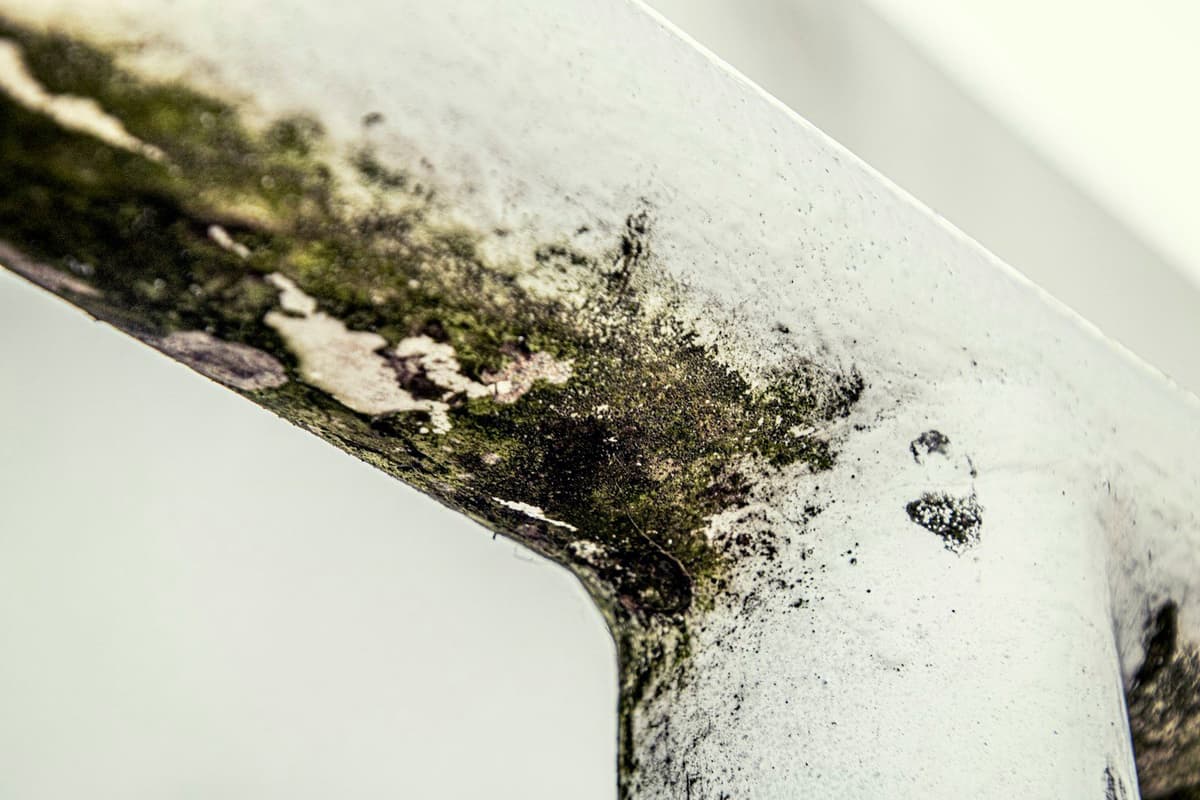
Wall condition can add 3 to 6 €/m² in preparation alone: cracks, damp, or textured finishes drive costs up. Preparation (filling, sanding, crack repair, stain sealing) usually takes more time than the paint application itself. If your home has textured ceiling that needs removal, or if there are damp stains requiring prior treatment, the cost will rise.
Before requesting a quote, review your walls and identify visible issues: flaking paint, cracks, areas with dark or yellowish stains. Mention them upfront or share clear photos of those areas. A quote that doesn't account for this preparation work will be unrealistic, not cheaper.
If your home has visible damp problems, it's wise to resolve them before painting. You can consult our guide on how to identify the type of damp in your home1 to understand what intervention you truly need.
Ceilings always cost more
Painting ceilings costs 20% to 40% more per square meter than walls. The reason is technical: working at height is slower, requires additional floor and furniture protection, forces the painter into uncomfortable postures, and uses more paint due to application against gravity.
If your initial quote didn't include ceilings and you later decide to add them, the increase will be notable. Clarify from the start which surfaces you want painted (walls only, walls and ceilings, or ceilings with mouldings). That distinction directly affects cost.
The chosen colour can increase costs by up to 30%
Dark colours require more coats of paint and can raise the quote by 20% to 30%. Covering a dark colour with a light one (or vice versa) usually requires one or two additional primer coats or high-coverage paint. The same happens if you change from intense red to white: coverage won't be complete with two standard coats.
If you're planning a radical colour change, mention it when requesting a quote. The professional can calculate the necessary coats and paint type (with higher coverage power) needed. If you omit that information, the initial quote will be insufficient.
For decisions on finishes and colours in small spaces, our guide on how to combine colours and finishes in a small flat2 offers practical criteria for informed choices.
Furnished vs. empty home
Moving and protecting furniture takes time, and that time is charged. In an empty flat, the painter can work without interruptions or special precautions. In a furnished home, they must move furniture, protect floors, cover appliances, and reposition everything after finishing. This adds between half a day and a full day of work depending on flat size.
If your home is occupied, ask whether the quote includes furniture protection and moving, or if you should empty the rooms before work starts. Sometimes you can save money if you remove pictures, curtains, and light furniture yourself.
Geographic location adds or subtracts from cost
Major cities like Madrid, Barcelona, Valencia, or Bilbao usually register higher prices than small towns3. Living costs, travel, and professional operation costs vary by region. In a city like Madrid or Barcelona, the average price per square meter may be 10 to 15 €, while in smaller towns in Castile - La Mancha or Extremadura it can drop to 8 - 10 €.
This doesn't mean work is lower quality in cheaper areas; it simply reflects differences in operational costs. Consider your location when comparing reference quotes you see online: not all ranges apply equally across Spain.
Paint type and quality change the result and price
A premium water-based paint can cost 14 to 28 €/litre, versus 3 - 6 €/litre for budget paint. The long-term difference is durability: premium lasts 8 to 12 years, while budget lasts 3 to 5 years. If you choose washable, damp-resistant, eco-friendly with low VOC, or specially certified paint, material costs will be higher but so will the final result.
It's wise to set aside an extra 10% to 15% of the quote for contingencies: stains that reappear, hidden flaking under textured finish, or walls that absorb more paint than expected. Not all problems are visible at first glance, and it's better to plan a buffer from the start.
If you're interested in learning more about paint selection, our guide on reading VOC labels on paints will help you identify healthier options with better long-term value for money.
How to anticipate these factors before hiring
The best way to avoid surprises is to share complete information upfront. Before requesting a quote, do the following:
- Measure or estimate floor square meters and specify whether you want to paint ceilings too.
- Take photos of walls in their current state, especially areas with stains, cracks, or textured finish.
- Indicate whether the home is furnished or empty.
- Mention if you want to change colour (especially if it's a radical change).
- Ask what type of paint the quote includes and how many coats will be applied.
A quote based on that information will be more accurate and comparable with others. On our platform, all project details are recorded in the system, visible to the client, professional, and platform, so the project scope is clear from the start and doesn't depend on informal conversations.
If you're looking for a broader guide on planning your quote from scratch, our guide on realistic budget estimation for painting your flat covers all aspects step by step.
What to do with quotes in hand
When you receive multiple quotes, don't focus only on the final number. Compare what each includes: number of coats, paint type, wall preparation, furniture protection, final cleaning. A lower quote may omit work that another includes.
Also remember that on our platform payment is split in two parts: 50% at the start (to reserve the date and buy materials) and 50% at completion, after verifying the result. This structure protects both client and professional, and ensures work proceeds with financial security for both.
If you need guidance on what to verify before signing, our guide on how to avoid mistakes when hiring a painter brings together the most common red flags and helps you make an informed decision.
Ready to paint?
Get free quotes from verified local painters in minutes. No commitment.
Sources
External sources open in a new tab.
- Cómo identificar el tipo de humedad en tu vivienda antes de pintar: condensación, filtración o capilaridadmyfixio.es
- Cómo combinar colores y acabados en un piso pequeño: guía práctica para ampliar visualmente cada estanciamyfixio.es
- Tabla de Precios de Trabajos de Pintura 2026: Guía Completa de Tarifas en España | Blog PintorGopintorgo.es