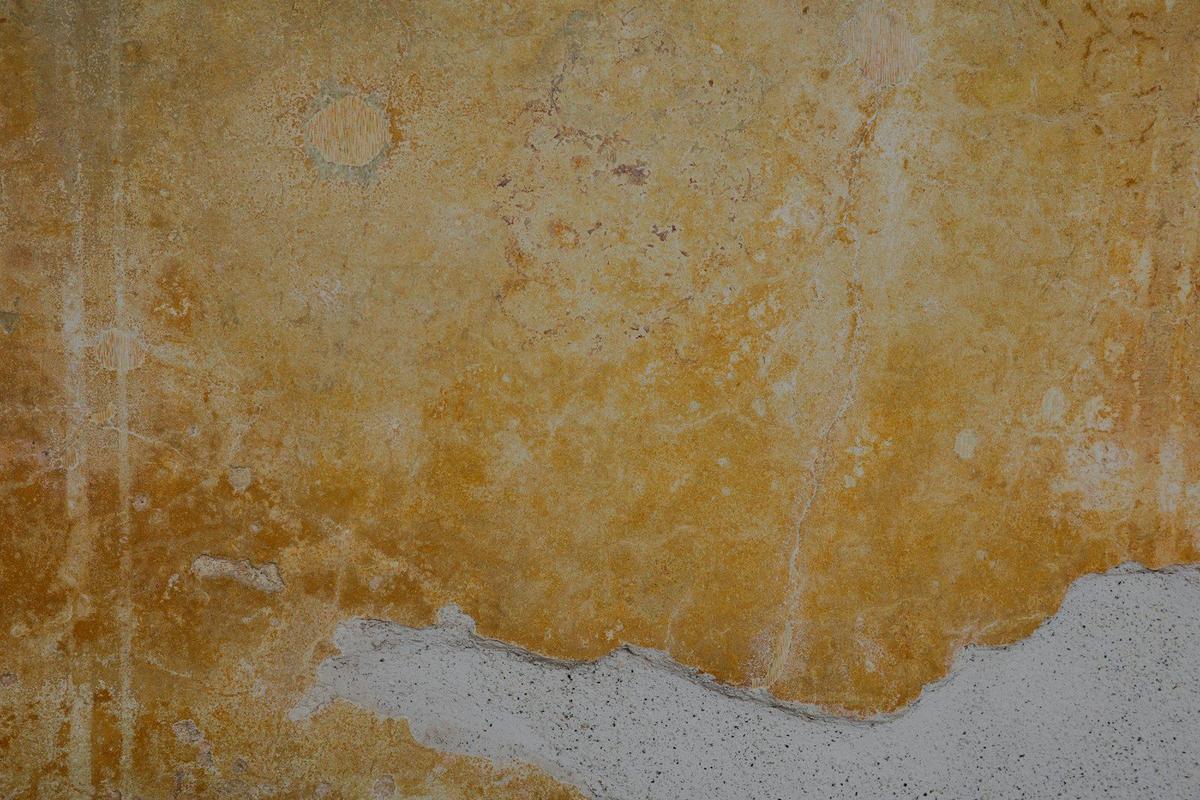
November often brings a sharp change to the facade: the last mild autumn afternoons give way to storms, wind, and persistent moisture. It is a good time to examine the facade calmly, detect what summer left unresolved, and decide whether there is still time to paint or whether it is better to wait for the next window of good weather.
Why November tests the facade
Levante and poniente rainfall
November rainfall is not uniform across Spain. The atmospheric patterns in the first two weeks of November are opposite: in the first week, an episode of Mediterranean rainfall may occur, while in the second week Atlantic fronts arrive with westerly winds and storms. This means a facade in Valencia or Alicante can suffer intense Mediterranean rains while in Galicia or the Basque Country Atlantic fronts arrive later, with showers and wind gusts typical of the Cantabrian coast.
Cracks that go unnoticed in summer
With sun and heat, a fine crack goes unnoticed. Once several weeks of rain arrive, water finds its way. The most frequent damage occurs on facades and roofs, where cracks and fissures not only affect the aesthetic appearance of homes but can also lead to costly repairs. That is why November, before the cold fully sets in, is a good time to walk around the building and look for:
- Fine craquelated cracks around windows and balconies.
- Dark or greenish stains in shaded areas.
- Paint chips near downspouts or roof edges.
- Areas where the coating sounds hollow when lightly tapped.
If the home already has moisture stains appearing from inside, it is worth reviewing the article on humidity and mould in autumn1 before focusing solely on the exterior.
Real conditions for painting a facade at this time of year
The temperature and humidity window
Facade paints are not applied in any condition. Most manufacturers set clear limits: apply with temperatures between 5°C and 35°C, with relative humidity below 80%, and with no rain or strong wind forecast during drying. In practice, this greatly reduces the useful days in November, because in addition to temperature, the surface must not be damp from dew or fog, something common on the mainland interior during autumn mornings.
Why it is worth checking several days in a row, not just tomorrow
Facade paint needs time to cure before it rains again. That is why it is not enough to check if it will rain the next day: it is worth checking the forecast 3 or 4 days ahead and looking for a window without rain or sustained high humidity. If the area is under a storm warning, as occurs in much of the western and central peninsula during the second week of November, it is better to postpone the work.
| Region | Typical November pattern | What to watch before painting |
|---|---|---|
| Mediterranean (Valencia, Alicante, Murcia) | Mediterranean rainfall, possible DANA | Intense and occasional heavy showers |
| Atlantic and Cantabrian (Galicia, Basque Country, Asturias) | Storms and westerly wind | Strong wind that dries paint irregularly |
| Interior (Madrid, Castile and Leon, Aragon) | Morning frosts and persistent fog | Dew that keeps the facade damp until mid-morning |
| South and Canary Islands (Andalusia, Balearic Islands, Canary Islands) | Milder temperatures, occasional rainfall | High ambient humidity in coastal areas |
What to do if the facade cannot wait until summer
Repair before protect
If inspection reveals active cracks, there is no point in applying a coat of paint or water-repellent over them: water will continue to enter through the fissure. The sensible approach is to prepare those areas first (fill with elastic sealants or micro-mortars) and allow that work to cure before painting. For facades with repeated cracks, elastic anti-crack paints are usually recommended instead of conventional plastic paint, precisely because they accommodate the movement of the substrate without reopening.
When it is worth acting now
Not all of the facade has to wait until May. If there is a window of several stable days (something that occurs even in November between one front and another), specific areas can be addressed: repainting a damaged section, sealing a joint, or treating a mouldy spot before winter worsens it. For a complete facade intervention, it is worth comparing with the guide on good weather windows in autumn2, which explains how to take advantage of those gaps without risking the finish.
Next step: a diagnosis before deciding
At this time of year, the most useful thing is not to decide immediately whether to paint or not, but to request an assessment of what you see on the facade. A professional can make that initial assessment based on photos and videos of the damaged areas, without waiting for an on-site visit; both methods work equally well for providing initial guidance. It is worth remembering that any price per m² on a facade is always indicative, because two sections with the same area can have very different cracks, detachment, or accumulated moisture. The final price is only confirmed when someone has seen the real condition of the substrate, and on our platform photos and videos are always requested before closing a quote, precisely to avoid surprises in the middle of the work.
If it is finally decided to proceed, all agreed scope (which sections are treated, whether crack repairs are included, what finish is applied) is recorded in writing and visible to the client, the professional, and the platform, so it does not depend on a casual conversation or private message. For anyone who wants to review the general condition of the building before deciding, the article on reviewing the facade before winter3 complements this checklist well. And if the work includes a complete facade, it is worth knowing about the facade painting4 service available on the platform.
Frequently Asked Questions
It depends on the area and the specific week. If there are several consecutive days without rain, with mild temperatures and no persistent morning fog, yes it is possible. If the forecast shows consecutive storms or night frosts, it is better to wait for a more stable window.
Paint needs hours to dry to the touch and several days to cure completely. If it rains before that process is finished, water can wash away part of the product or leave stains and an uneven finish.
Fine, continuous cracks less than half a millimetre wide are usually superficial and related to material shrinkage. Wider, branched, or map-like cracks should be reviewed by a technician, as they can indicate building movement.
No. A professional can assess the facade based on well-taken photos and videos, with good lighting and showing damaged areas up close. An on-site visit works just as well, but it is not a requirement to proceed with an initial quote.
Yes, especially if the facade has cracks or weak points. Water entering from the outside can end up staining interior walls, especially those that face directly onto the facade or near balconies and windows.

Ready to paint?
Get free quotes from verified local painters in minutes. No commitment.
Sources
External sources open in a new tab.