Choosing a colour for a small flat in Spain is not just a matter of taste: orientation, natural light, and the actual condition of the walls influence the final result as much as the tone selected. In cities like Madrid, Barcelona or Valencia, where a large part of the housing stock has limited square footage, getting the colour and finish right can make the difference between a space that feels spacious and bright, or one that feels cramped and dark.
What colours work best in small spaces
Warm neutrals as a safe base
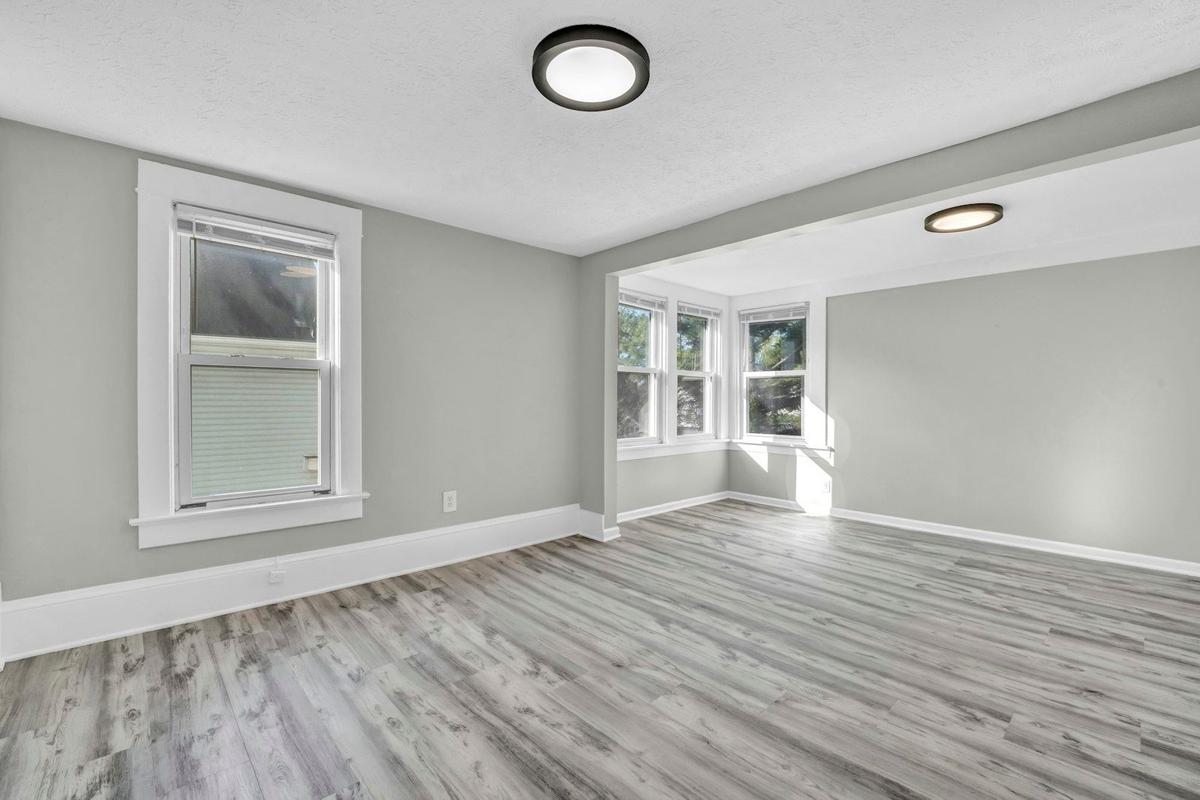
The trend for 2026 moves away from the cool greys that dominated recent years. Off-whites, soft beiges, sand and cream tones evolve towards warmer versions, and are among the safest options for colour trends in rooms, as they bring brightness without feeling cold or impersonal.1 For a small living room facing inward or with little window light, this warm base helps prevent the space from feeling sterile.
Greens, blues and earth tones in moderation
Salvia greens, light olive and dusty blues are establishing themselves as leading tones in interiors, not seeking to stand out but to accompany, creating calming atmospheres. In small flats, these colours work better as an accent on a single wall than covering the entire room, because an intense colour on all four walls of a small bedroom can visually shrink the space. Soft earth tones, muted terracotta and desaturated clay bring character without darkening the space, and in 2026 they are used with more restraint, typically on one main wall or combined with warm neutrals.
One colour per room, not on a whim
Before deciding on the tone of each room, it is worth thinking about the orientation of the flat too, as a north-facing wall in Bilbao receives very different light to a south-facing orientation in Seville, and that changes how each colour is perceived throughout the day.
Finishes: matt, satin and why they matter as much as colour
Matt to hide imperfections
Matt paint finish is the most popular for painting walls: it softens surfaces and distributes light around the room rather than reflecting it, plus it is easier to apply because touch-ups are less visible. It is the recommended option in living rooms and bedrooms with walls that have small cracks, patches or remnants of poorly smoothed gotelé (sprayed textured coating), very common in older flats in Zaragoza, Granada or Málaga.
Satin for high-traffic areas and darker spaces
A satin finish, with a soft sheen, resists frequent cleaning better and is the usual choice for kitchens, hallways and high-traffic areas, where walls get dirtier or scuffed more.2 Also, in interior rooms with little window light, this finish helps distribute artificial light more evenly.
Quick comparison table
| Finish | Best for | Main advantage | Caution |
|---|---|---|---|
| Matt | Living rooms, bedrooms | Hides imperfections, pure colour | Less washable |
| Satin | Kitchens, hallways, bathrooms | Resistant and easy to clean | Highlights wall defects |
| Eggshell (intermediate) | Living rooms with children or pets | Balance between aesthetics and cleaning | Less common in Spain |
Preparing the wall before choosing colour: the step you cannot skip
Gotelé is still present in many Spanish flats
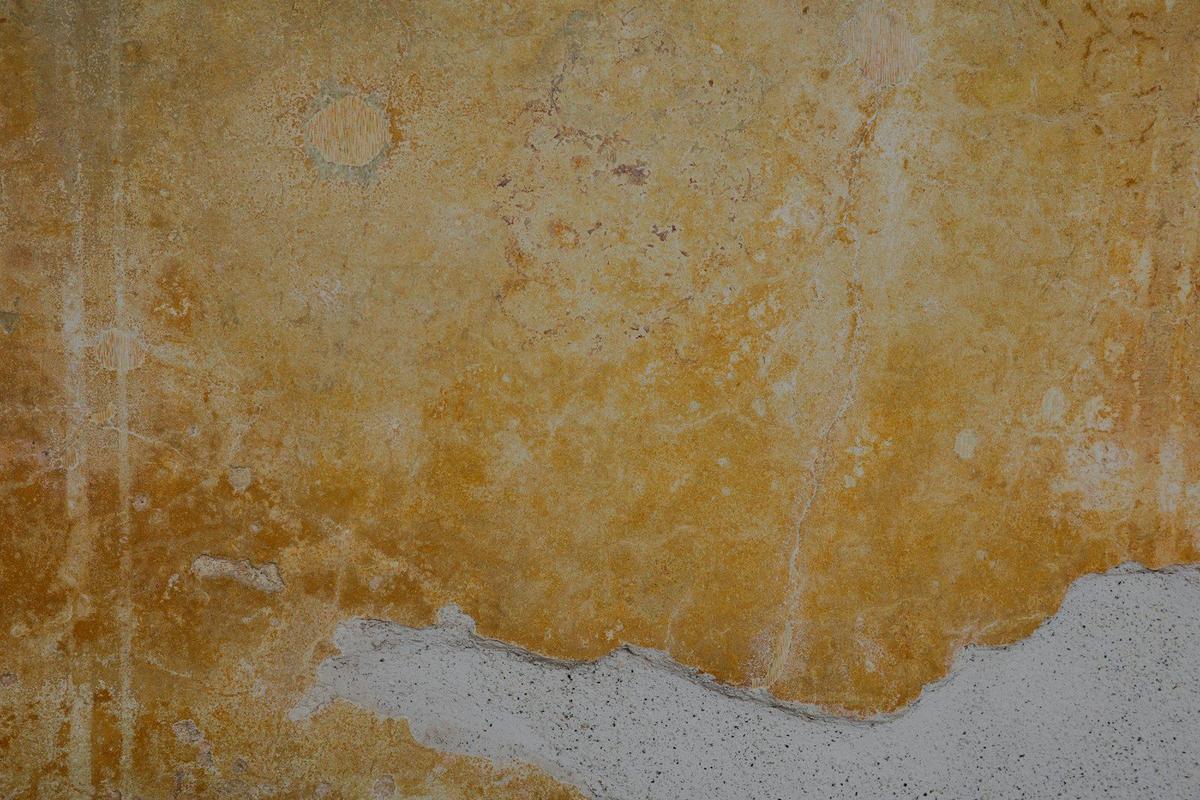
A large part of Spain's housing stock, particularly that built between the 1970s and 1990s, retains gotelé on walls and ceilings. Before thinking about the final colour, it is worth deciding what to do with that texture, because the same shade looks very different on a textured surface than on a smooth wall.
There are two main types:
- Gotelé al temple (water-based gotelé): softens when moistened, so it can be removed with a scraper after wetting.
- Gotelé plástico (plastic-based gotelé): repels water, so wetting and scraping does not work; it must be sanded or covered with smoothing compound.
A simple test with water in a hidden area will reveal which type you are dealing with.
How to prepare the wall for painting
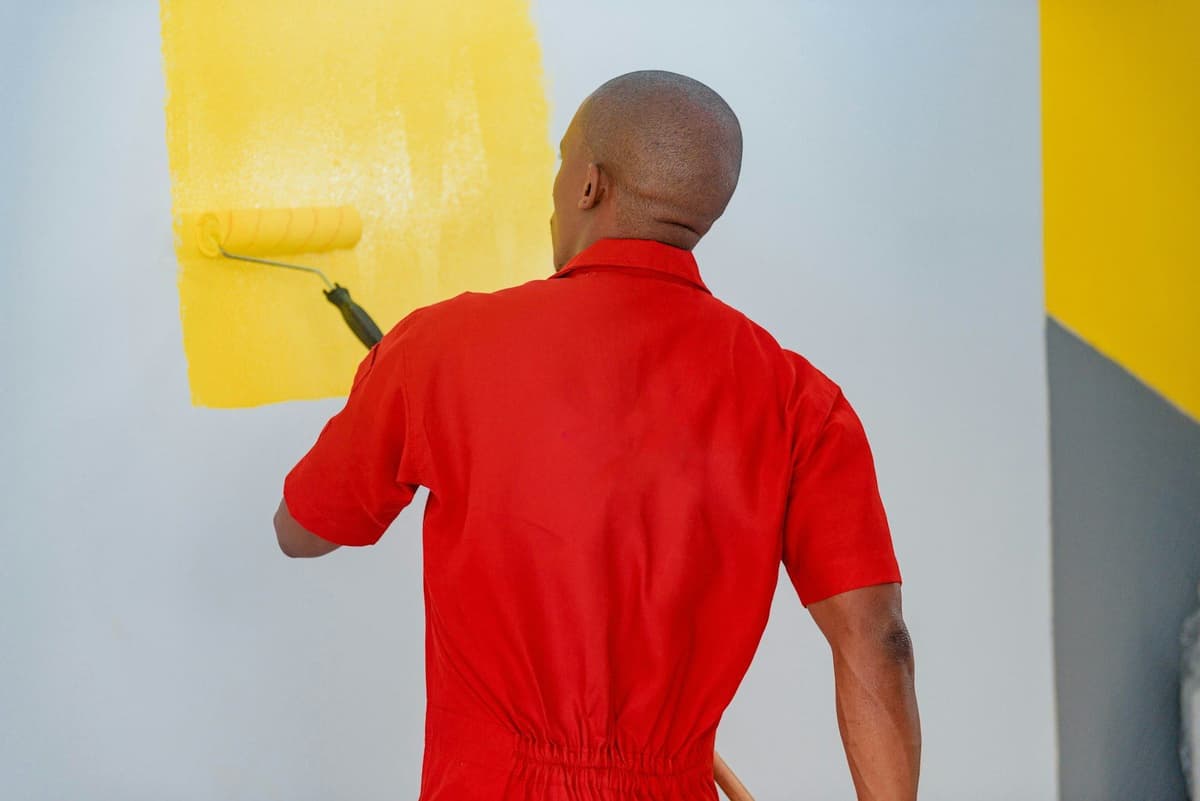
To achieve a smooth finish there are three options: wet scraping if it is gotelé al temple, sanding peaks with dust extraction, or covering the texture with several thin layers of smoothing compound and sanding afterwards. Before discussing matt or satin, there is an equally important prior decision: whether the wall will be completely smooth or retain some of the original texture, because fully smoothing gives a much cleaner, more modern result and makes any subsequent finish look better. Covering with compound is the usual method over gotelé plástico and adds only a few millimetres of thickness. Next comes repairing cracks, applying primer and painting with finish coats. This work can be requested as part of an interior painting3 project, including gotelé removal4 on the specific walls or ceilings where needed.
How to get a quote without surprises
Once the colour and finish are decided, the next practical step is to request a quote. When the calculation is made per square metre, that figure is always indicative, never definitive, because two walls with the same surface area can be in very different conditions: one with fine cracks, another with damp or degraded plastecado. The final price can only be confirmed once the professional has seen the actual condition of the surface, either through photos and videos or an in-person visit; both options work equally well. On our platform, photos and videos of the walls are always requested before closing any quote, precisely to avoid surprises mid-job.
Some practical recommendations before starting:
- Photograph each room with natural light and also with artificial light on, so the professional can see how the wall behaves at different times.
- Point out any areas with gotelé, visible damp or cracks, however minor they may seem.
- Decide in advance whether you want the same finish throughout the flat or prefer to vary it by room.
Once the scope of work is agreed, on our platform all details are recorded online: the client, the professional and the platform can check at any time what has been agreed in writing. Payment is arranged in two parts: 50% at the start to reserve the date and buy materials, and the remaining 50% at the end, once the work is verified.
Frequently Asked Questions
Warm neutrals like soft beiges or off-whites are the safest, because they reflect light well without feeling cold. If you want some character, it is best to reserve more intense tones (salvia green, terracotta, dusty blue) for a single wall and not for the entire room.
It depends on the condition of the wall and the effect sought. Matt hides imperfections better and gives a warmer feel, while satin reflects a little more light and can help brighten a dark room, though it also highlights surface defects more.
It is not mandatory, but if you are looking for a clean and uniform finish, especially with dark or matt colours, smoothing the wall before painting greatly improves the final result. Over gotelé plástico, covering with smoothing compound is usually the most practical solution.
The final colour is best seen when the paint has dried completely and in natural daylight, not artificial light. It is worth waiting at least 24 hours before assessing the final result.
Yes, it is common to use matt on walls and ceiling, and satin on mouldings, doors or skirting boards, as these elements receive more wear and benefit from a more washable finish.
Ready to paint?
Get free quotes from verified local painters in minutes. No commitment.
Sources
External sources open in a new tab.
- Colores tendencia para pintar tu casa en 2026tiendadepinturas.es
- Cómo elegir el acabado adecuado para las paredes de tu casa · GUICUguicu.es
- Pintura Interiormyfixio.es
- Eliminación de Gotelémyfixio.es