When a wall has moisture, painting over it without addressing the cause rarely works: the paint peels, stains reappear within months, and money is wasted. Understanding what type of moisture affects the home and how to prepare the surface is the step that makes the difference between a repaint that lasts and one that needs repeating every winter.
Why moisture ruins paint if not treated first
Water vapour and cold walls
In autumn and winter, exterior walls and corners cool down faster than the rest of the house. If a home is not well insulated, interior walls and windows cool down, and if humidity is high, these surfaces reach the dew point and condensation forms.1 This vapour comes from normal activities like cooking, showering, or hanging laundry indoors, and when it doesn't dry in time it becomes the familiar dark mould stains in corners and ceilings.
Why it returns even after cleaning
Many homeowners clean the stain, paint over it, and months later the problem is back. This happens because anti-mould paint does not warm the wall or remove vapour from the air; if the underlying cause remains a cold wall or poor ventilation, water will condense again and mould will reappear within months2. This is why order matters: first address the cause (ventilation, insulation, repairing a leak) and only then repaint.
How to identify the type of moisture before painting
Not all stains are treated the same way. Knowing whether the source is condensation, a leak, or rising damp prevents spending money on a solution that won't work.
| Type of moisture | Where it appears | Telltale sign | What to do before painting |
|---|---|---|---|
| Condensation | Corners, ceilings, poorly ventilated areas | Black or greenish stains that worsen in cold weather | Ventilate, control relative humidity and then paint |
| Leakage | Near windows, downpipes or neighbour's ceilings | Stain with yellowish halo that grows with rain | Repair the water entry point before repainting |
| Rising damp | Lower part of walls on ground floors | Horizontal band with salt deposits or peeling paint | Specific wall treatment before any finish |
A simple home test helps distinguish condensation from internal wall moisture: tape a piece of aluminium foil over the affected area and leave it for a couple of days. If water appears on the outside of the foil, the source is room humidity; if it appears behind it, moisture comes from inside the wall. This article goes deeper into how to identify the origin of moisture before painting the home.
Preparing the surface: the step that cannot be skipped
Ventilation and relative humidity control
Keeping relative humidity in a healthy range greatly reduces the risk of mould returning after repainting. In homes, maintaining relative humidity between 40 and 60% with good ventilation is key; above 60% the risk of mould increases.3 Some simple habits help:
- Ventilate the home for a few minutes each morning and afternoon, even in winter.
- Use extractors in bathroom and kitchen while cooking or showering.
- Avoid hanging laundry indoors whenever possible.
- Keep a stable interior temperature rather than heating sharply and letting it cool down.
Cleaning and remediation before the first brushstroke
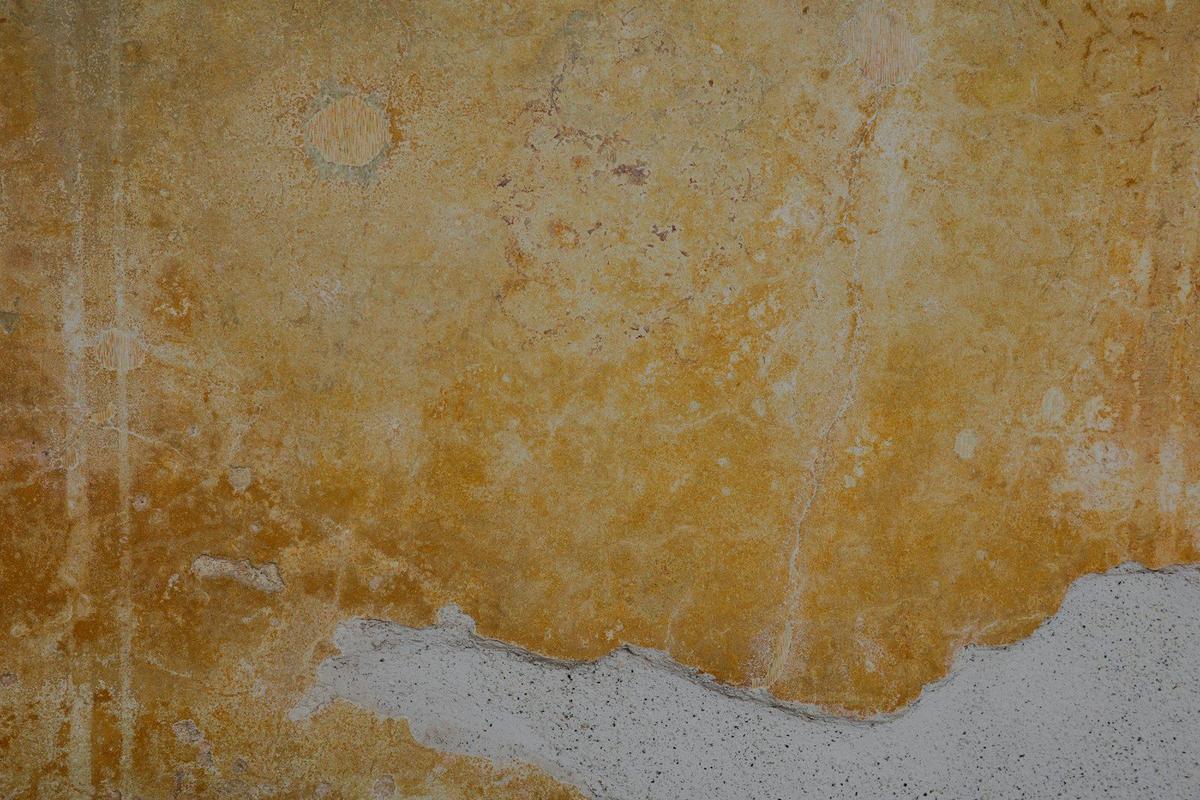
Once the cause is addressed, the wall needs to dry completely and surface mould must be removed with an appropriate product before applying any primer. Painting over a damp surface or with fungal residue usually ends in blisters or new stains that show through the colour within weeks. For walls already damaged by old moisture, it is wise to review how to prepare surfaces damaged by moisture before painting, especially if there are chips or visible salt deposits.
What to do if the wall has gotelé affected by moisture
Many homes in Spain, especially those built between the nineteen-seventies and nineteen-nineties, retain gotelé (sprayed textured coating) on walls and ceilings. When moisture has affected that surface, it is worth checking first what type it is: gotelé al temple softens with water and can be scraped, while gotelé plástico repels water and cannot be removed by wetting it, so it is sanded or covered with smoothing compound. A small test with water on a hidden area will quickly clarify which is the case. Whatever the type, if moisture has left stains or the coating is degraded, there is no point covering the texture without first resolving the source of the problem: the stain would reappear through the new finish. Our page on gotelé removal explains how to leave the surface ready for painting once remediated.
Next step: request a quote with the surface already diagnosed
Before contacting a professional, it is worth doing a simple review: note which rooms have stains, whether they coincide with cold areas or specific leaks, and whether the problem has worsened over time. This information helps make the quote more accurate from the start.
A quote per m² for treating moisture and repainting is always indicative, because two walls with the same surface area can hide cracks, degraded plaster or different levels of moisture beneath the paint. The final price is only confirmed when the professional has seen the actual condition of the surface, whether through photos and videos or a visit; on our platform we always request photos and videos of the affected areas before finalising any quote, precisely to avoid surprises during the work.
Once the scope is agreed (which walls are treated, whether ceilings are included, whether gotelé needs to be removed in any area), all details are recorded on the platform, where the client, the professional and the platform can consult it in writing at any time. Payment is organised in two parts: 50% at the start to reserve the date and buy materials, and the remaining 50% at the end once the work is verified. Anyone wanting to check what to verify before hiring can also consult hiring a painter in Spain: guarantees and what to check first.
Frequently Asked Questions
It is not advisable. If the cause of the moisture remains active, the stain usually shows through the new paint within weeks or months, so the work would have to be repeated.
Condensation appears mainly in winter, in corners and poorly ventilated areas, and does not depend on rain. A leak, on the other hand, usually grows with rainy periods and appears near windows, downpipes or ceilings shared with neighbours.
Not always. In many cases daily ventilation and using extractors in bathroom and kitchen to lower relative humidity is enough. A dehumidifier helps in homes with persistent humidity, but does not replace ventilation or repairing the cause.
It can be, especially for people with allergies or asthma, as spores spread through the air. This is why it is important to treat it as soon as possible and not just cover it with paint.
The wall must be completely dry before applying primer and paint, which can take from several days to a couple of weeks depending on wall thickness and room ventilation. Painting over a surface still damp usually causes blisters or premature peeling.

Ready to paint?
Get free quotes from verified local painters in minutes. No commitment.
Sources
External sources open in a new tab.
- Qué es el punto de rocío y cómo evitarloaislamientosaclima.es
- Humedades por condensación: por qué salen y cómo se quitanbatecs.es
- Diferencia humedad relativa y absoluta: cómo evitarlasiberdecohumedades.es