Painting a façade is not just about choosing the right colour or hiring the right professional. The timing of your project can make the difference between a finish that lasts for years and work that deteriorates within months. Climate varies significantly across regions, and what works on a sunny coast may be a serious mistake in a rainy, windswept area. This guide will help you identify the best weather window for your project, wherever you live.
Why climate is crucial for the final result
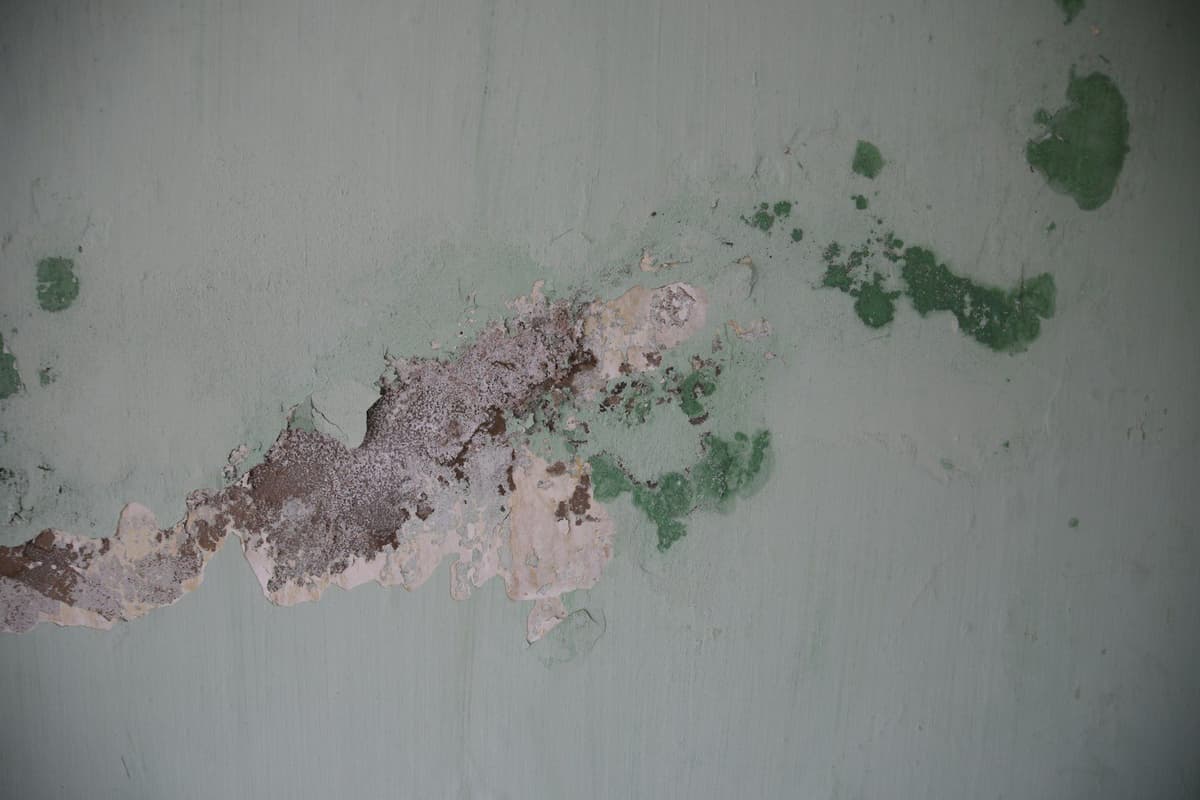
When painting outdoors, atmospheric conditions are far from a minor detail. Temperature, relative humidity, and rainfall probability directly affect how the paint dries, adheres, and lasts over time. Paint manufacturers recommend working at temperatures between 10 and 30 degrees Celsius with relative humidity below 75%. Outside these ranges, the risk of bubbling, peeling, or uneven drying increases noticeably.
In hot southern and eastern regions, extreme summer heat can artificially speed up curing, creating a surface film before the inner layer has dried properly. This causes blistering and poor adhesion. In cooler, wetter areas, constant rain and high humidity prevent proper paint adhesion and extend drying times to impractical levels. Knowing the particularities of each region is therefore essential.
The best weather windows by region
Coastal and southern regions
In warm, sunny coastal and southern areas, spring (April, May, June) and early autumn (September and early October) are the most suitable periods. During these months, temperatures are moderate, humidity is not excessive, and rainfall is unlikely. July and August may seem ideal due to the lack of rain, but the surface temperature of south or west-facing façades can exceed 40 degrees, which complicates uniform application and encourages finish defects.
Additionally, in coastal areas salt spray and intense ultraviolet radiation are constant factors that demand specific paints with UV resistance and water-resistant properties. Choosing the right season reduces initial thermal stress and allows the paint to cure under optimal conditions, extending its lifespan.
Cooler, wetter regions
In cooler, wetter areas, the main challenge is constant humidity and frequent rain. Here, the best weather windows are narrower: late spring (May, June) and early autumn (September). These months often offer some dry days with mild temperatures, conditions essential for the paint to adhere and dry properly.
Painting during winter or deep autumn is risky, as relative humidity regularly exceeds 75% and rain is frequent. Even a favourable forecast can change within hours, interrupting the work and forcing you to wait days until conditions are right again. The paints recommended for these zones are those with high breathability and water resistance, and applying them at the correct time is even more critical than in other regions.
Inland regions
Inland areas experience cold winters and very hot, dry summers. Spring (April, May) and autumn (September, October) are again the ideal seasons. During these months, daytime temperatures stay within the manufacturer's recommended range, and night frosts have either passed or not yet arrived.
Summer in inland areas, with highs exceeding 35 degrees and night lows barely dropping below 20, accelerates drying too much. In winter, frosts and temperatures below 5 degrees prevent the paint from curing properly, which can cause adhesion problems down the line. Planning work for the intermediate seasons not only makes application easier but also allows professionals to work in better conditions and with greater precision.
Island regions
In island regions, the best times are May, June, and early September. July and August have very little rain and controlled humidity, but UV levels reach very high values that accelerate surface drying and can cause finish defects. South or west-facing façades reach high surface temperatures that complicate uniform application.
In some island regions, the climate is more stable throughout the year, but it is wise to avoid the hottest months (July, August) in areas of direct sun exposure. The optimal window extends from March to June and September to November. In all island regions, salt spray is a constant factor that requires paints with high resistance to salt corrosion, and applying them in suitable weather conditions maximises their performance.
What to do if you need to paint outside the optimal window
Sometimes, for practical or scheduling reasons, it is not possible to wait for the ideal season. In those cases, it is essential to take extra precautions: work during the coolest hours if it is hot (early morning or late afternoon), check the weather forecast at least 48 hours in advance, and use fast-drying paints or those specifically formulated for extreme conditions.
On our platform, the professionals we present are familiar with the climate particularities of each region and can advise you on the real feasibility of your project depending on the time of year. We always ask for photos and videos of the surfaces before finalising any quote, precisely to anticipate possible problems related to moisture, surface condition, or façade orientation, and to avoid surprises mid-project.

Ready to paint?
Get free quotes from verified local painters in minutes. No commitment.