Many property owners start looking for painting quotes and are surprised to receive separate line items for cleaning, crack repair, and surface treatment. But investing in that preparatory work isn't an extra cost, it's the foundation that ensures the paint does its job for years rather than flaking off within months.
A façade exposed to rain, sun, wind, and pollution accumulates dirt, efflorescence, pollution residue, and in many cases microorganisms that affect paint adhesion. If you paint directly over that unprepared surface, the new coat will sit suspended on an unstable layer that will eventually fail. Here are the steps that ensure solid preparation.
Complete visual inspection before you begin
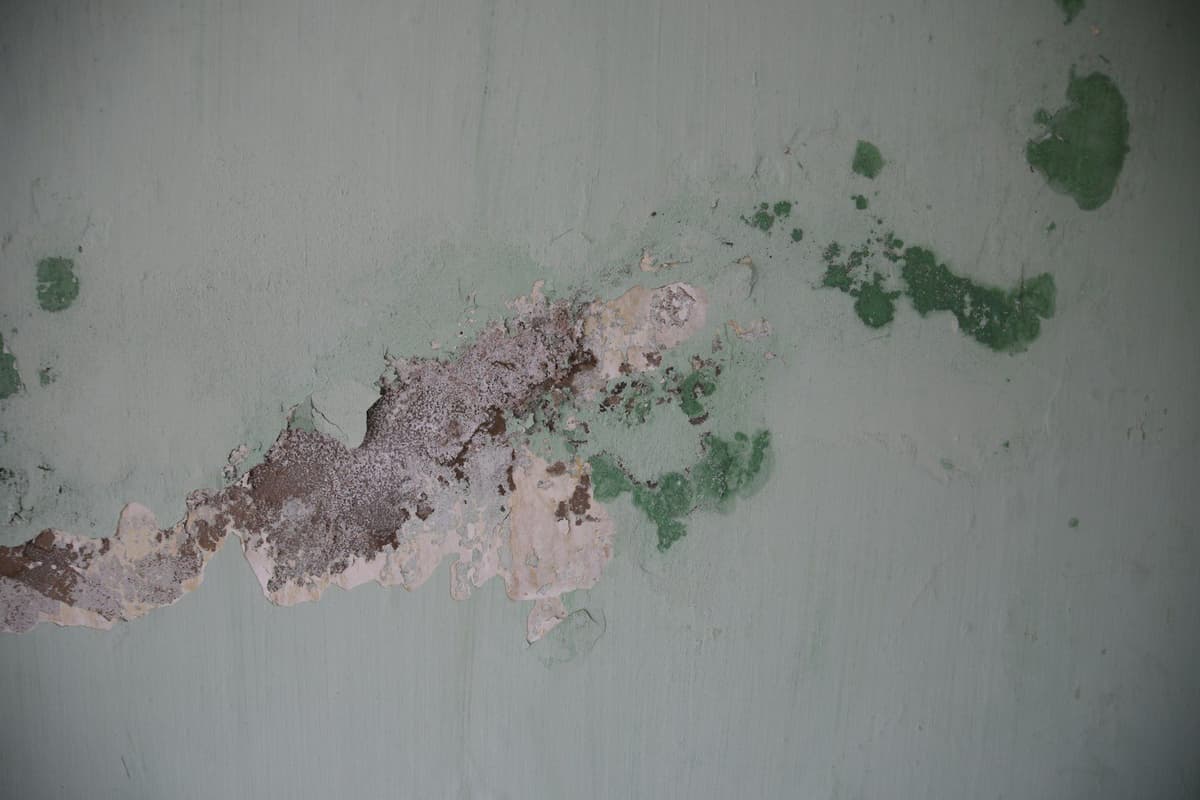
Before buying materials or hiring a painter, it's worth taking time to examine your façade with a technical eye. Don't just look from the street. Look for micro cracks in corners, dark patches suggesting moisture inside, areas where the old paint has faded unevenly, small localised chips, or spots where the render feels weaker to the touch.
That initial assessment helps you gauge the real scope of the work. Sometimes a façade that looks only slightly dull hides adhesion problems, and the earlier you spot them, the more accurate your quote will be and the fewer surprises you'll face mid project. If you find cracks, recurring moisture, or obvious deterioration, it's wise to understand the cause before painting: a structural problem or water leak won't be solved by a fresh coat of paint.
Thorough cleaning: more than just brushing
Façade cleaning has two goals: removing surface dirt (dust, grease, soot) and stripping away old flaking paint, salt efflorescence, or biofilm (algae, mould, lichen). The cleaning method depends on the substrate type and how much dirt has accumulated.
For light soiling, low pressure water and soft bristle brushes are usually enough. It's sensible to test the method on a hidden area first to make sure it won't lift the existing finish or open the mortar pores. On façades with stubborn stains, biological contamination, or flaking paint, specific products are used (degreasing cleaners, exterior fungicides, gentle strippers), always respecting the material type (render mortar, exposed brick, stone, concrete).
After applying any chemical product, it's essential to rinse thoroughly with water and let it dry completely before continuing. A damp surface won't let paint adhere properly, and trapped moisture can cause blistering once temperatures rise.
Crack sealing and repair of damage
Once the surface is clean and dry, it's time to repair. This involves opening visible cracks with a scraper (widening the channel slightly so filler penetrates well), vacuuming out accumulated dust, and filling them with exterior grade filler or repair mortar.
Use products formulated to withstand thermal expansion, rain, and freeze-thaw cycles in cold areas. Interior fillers can't handle those conditions and will crack again in a few months. After filling, smooth with a putty knife and allow to dry according to the manufacturer's instructions.
If the façade has areas of loose render or hollow spots when tapped gently, that area must be picked out, stripped back to solid substrate, and restored with repair mortar before painting. Painting over loose render only postpones the problem, and the new coat will fall away with the old render.
Primer: the step many skip and that really matters
Applying a primer or sealer before final paint isn't optional if you want a professional result. Primer seals the substrate's porosity, improves adhesion of the topcoat, reduces paint consumption, and evens out surface absorption (preventing some areas looking matt and others shiny).
On façades with new or freshly repaired mortar, primer is essential: fresh mortar has a high pH (alkaline) that can attack acrylic paint if not neutralised or sealed first. Similarly, if the surface is very powdery or shows efflorescence, the primer strengthens the substrate and prevents paint from peeling away and dragging particles with it.
Choose a product compatible with the paint you'll apply next (acrylic primer for acrylic paint, siloxane for siloxane, etc.) and respect drying times before your first colour coat.
Final checks before you start painting
Before opening the first can, make sure the weather forecast looks favourable: avoid rain, strong wind, or extreme temperatures. Ideally work between 18 and 25 degrees with moderate humidity. If it's too hot, paint dries too fast and loses properties; if it's cold or very humid, drying takes longer and defects can appear.
Protect everything you don't want splattered (windows, doors, floors, planters, gutters) with plastic sheeting and masking tape. Check you have the necessary equipment (scaffolding, ladders, platforms) in safe condition and complying with current regulations, especially if work height exceeds two metres.
If you're hiring a professional painter, our platform verifies they're properly registered as a self-employed professional or have a registered company before presenting them as an option. When you request a quote, remember that quotes based only on square metres are always indicative: two surfaces of the same size can be in very different condition (with or without cracks, with or without moisture, with or without degraded render). That's why our platform always asks for photos and videos of the surfaces before finalising a proposal, to anticipate the real scope of work and avoid surprises. On payment, it works in two parts: 50 per cent at the start (to reserve the date and buy materials) and 50 per cent at completion, once the work is verified.

Ready to paint?
Get free quotes from verified local painters in minutes. No commitment.