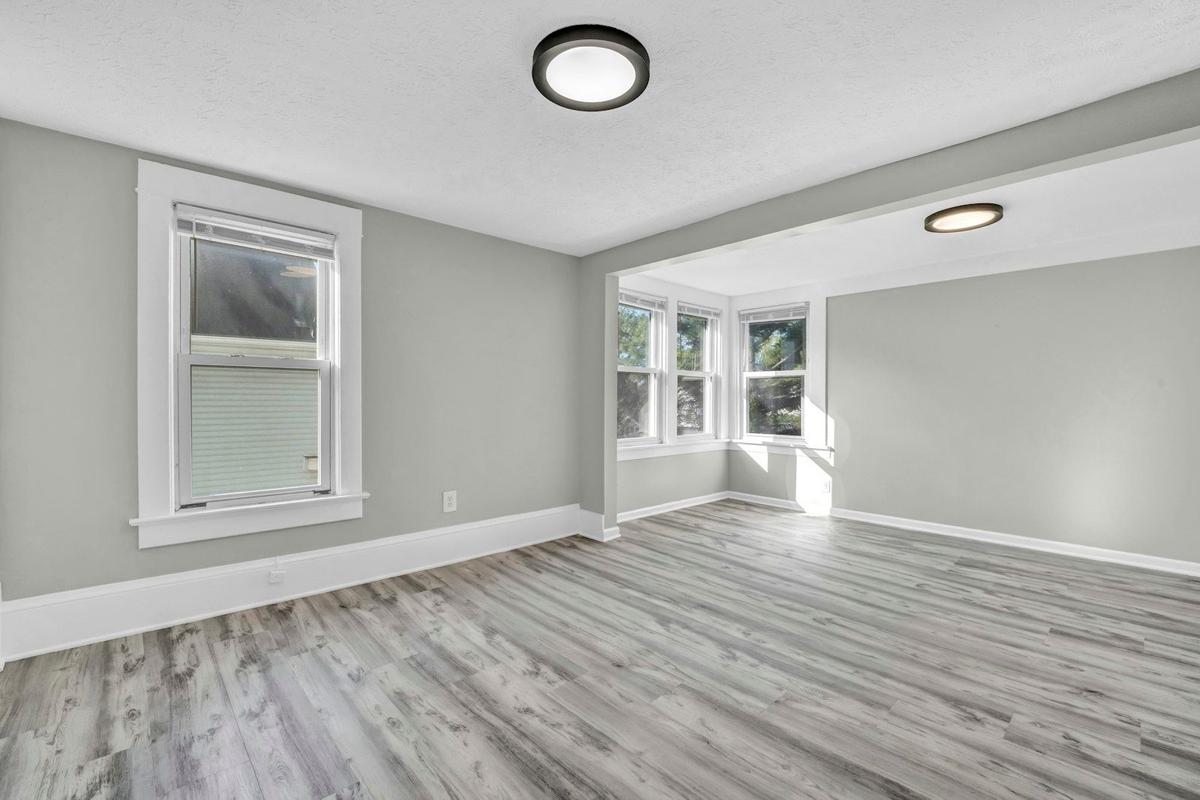
October is one of the best times of year to paint the interior of a home in Spain: temperatures are mild, you can ventilate without extreme cold, and paint dries at a reasonable pace. But the final result depends less on the paint brand than on prior preparation and application technique. This guide covers both aspects so the finish is uniform, without roller marks or uneven areas.
Prepare the surface before opening the can
Cleaning and sanding
Before painting, every wall must be free of dust, kitchen grease, or smoke residue. A damp cloth with a little neutral soap usually works in living rooms and bedrooms; in kitchens it is worth being more thorough near the cooktop area. If the wall has imperfections or a shiny previous coat, light sanding helps the new paint adhere better and prevents it from peeling in patches over time.
Priming and pore sealing
On new walls, very porous ones, or with patches of freshly repaired plaster, applying a primer before the final paint prevents the color from being uneven, with matte areas and others more saturated depending on substrate absorption. This is especially relevant after wall smoothing1 or wall plastering2, since repair material absorbs paint differently from the rest of the wall.
Protecting floors and furniture
Complete preparation also includes protecting baseboards, door and window frames with painter's tape, and covering the floor with plastic or cardboard. This step, often done in a hurry, is what prevents stains that later take much longer to clean than the actual painting.
The application technique that makes the difference
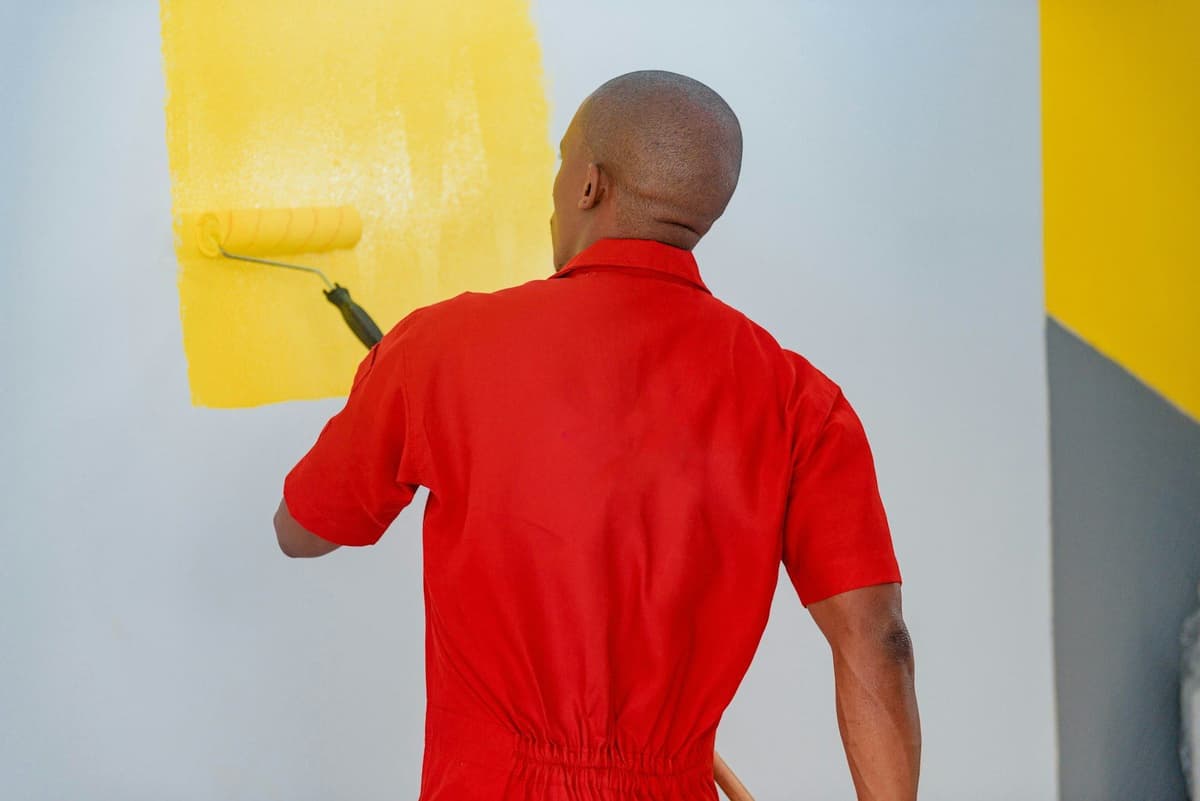
The roller covers 80-90% of the wall surface, and that is where it is decided whether the finish looks professional or amateur. The roller covers 80-90% of the painted surface, while the brush is only used on edges, corners, and areas near frames.
Loading the roller correctly
A very common mistake is soaking the roller excessively. The W or M technique consists of loading the roller and drawing a large W or M on the wall, covering an area of approximately 1 square meter.3 Then, without reloading paint, cross the strokes horizontally to fill in the empty spaces of that W.
The final step that prevents marks
The gesture that truly distinguishes a uniform finish from one with visible streaks is the final dry pass. Without loading paint, pass the roller gently from top to bottom across the entire freshly painted section in one direction, which aligns the paint particles and removes any marks from the roller edges. It is important to work in sections and not let one area dry before joining it to the next, because the joints between already-dry and fresh sections are the most noticeable under side lighting.
Some points to keep in mind about tools:
- Short or medium pile rollers are most suitable for smooth interior walls, as they distribute paint without generating excessive texture.
- A medium-quality brush handles edges, corners, and areas near outlets or frames, where the roller does not reach well.
- The tray with a grid helps remove excess paint before application, which is exactly what prevents drips and overload.
Temperature and ventilation: why October favors (and also complicates) drying
Paint is not just a manual gesture; it is also a chemical reaction that depends on the room's environment. For interiors, ideal environmental conditions are in a temperature range of 20-23ºC and relative humidity around 40-60%, as these values achieve the proper viscosity for paint application and correct spread. In October and November, cities like Bilbao, Santiago de Compostela, or Barcelona already register days with higher ambient humidity, which can lengthen drying time between coats if not ventilated properly.
Ventilate without cooling too much
Opening windows in short, alternating periods, rather than leaving them open all day, helps refresh the air without the room temperature dropping too much. An overly cold environment slows drying and can leave the finish looking gummy or tacky to the touch several days after painting.
Respect drying times between coats
Applying the second coat before the first has fully cured (not just dry to the touch) is a frequent cause of visible marks and less uniform final color. In apartments with poor cross-ventilation, like many old building interiors in central Madrid or Valencia, it is advisable to allow more time between coats than indicated on the can.
| Condition | Recommended range | Effect if not met |
|---|---|---|
| Room temperature | 15°C to 25°C approx. | Very slow drying (cold) or brush/roller marks (heat) |
| Relative humidity | 40% to 60% | Uneven drying, poor adhesion |
| Ventilation | Air renewal every few hours | Persistent odors, uneven drying |
| Time between coats | Per technical sheet, +30% in cold environments | Visible marks, uneven color |
What to do if the surface is not in good condition
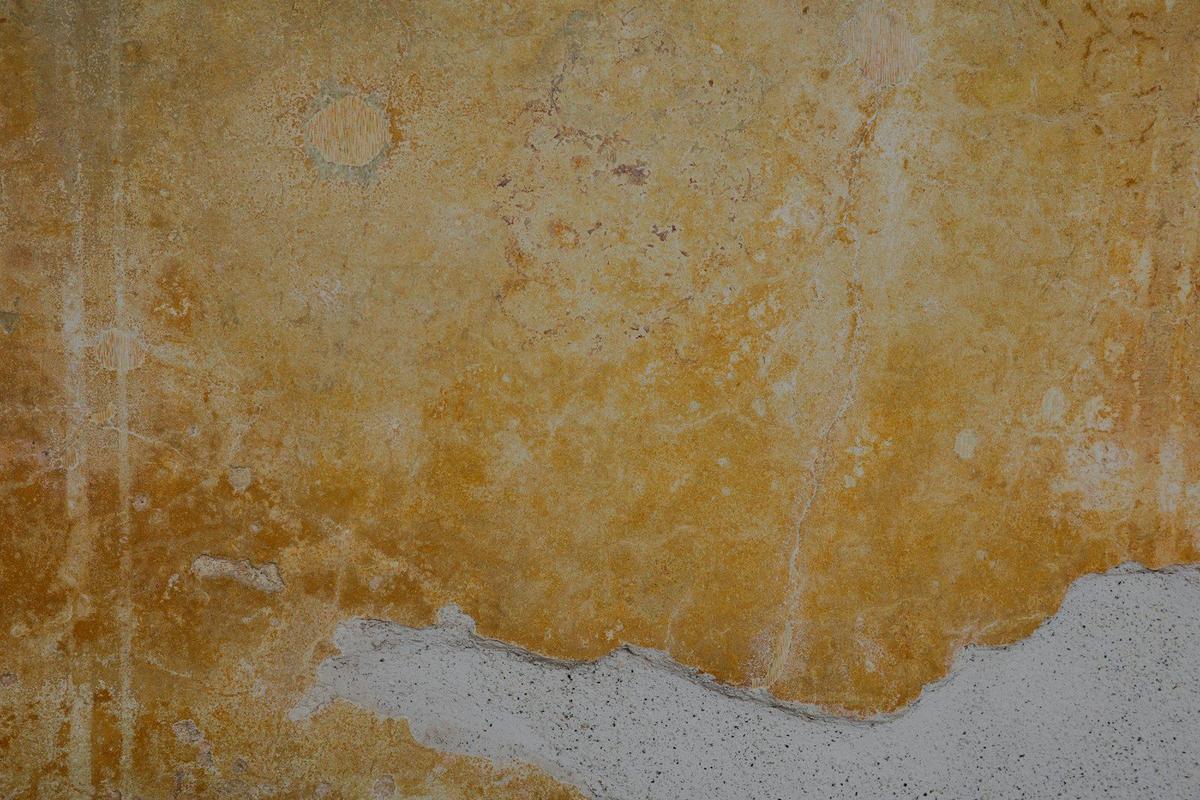
When the wall has fine cracks, textured finish, or areas with degraded plaster, no roller technique compensates for an irregular substrate. In these cases it is worth first evaluating a textured ceiling removal4 or complete interior painting5 service, which includes necessary sanding and smoothing before applying color. If it is a quote per square meter, keep in mind that this type of calculation is always indicative: two living rooms with the same area can be in very different conditions, with cracks, surface moisture, or degraded plaster not visible at first glance in a general photo. The final price can only be confirmed after assessing the real condition of the surfaces, whether with detailed photos and videos or an in-person visit; on our platform we always request photos and videos of the walls before closing any quote, precisely to avoid surprises mid-project.
Frequently Asked Questions
It depends on the room's temperature and humidity, but as a general reference it is advisable to wait between 4 and 8 hours under normal conditions, and longer if the environment is cold or humid. Applying the second coat too soon is a common cause of marks and an irregular finish.
October usually offers mild temperatures and is a reasonable time to paint interiors, as long as ventilation is monitored on days of high humidity. If the home has poor cross-ventilation, it is best to choose dry days and alternate opening windows in short periods.
For smooth interior walls, short or medium pile rollers usually give better results than long pile, which are designed for rougher surfaces. Loading the roller lightly and finishing with a dry pass is as important as the type of roller chosen.
Not always, but it is recommended when changing from a dark color to a light one, when the wall is very porous, or when there are areas recently repaired with plaster. Without primer, those areas can absorb color differently and be noticeable under natural light.
Marks usually come from application technique rather than product quality: an overloaded roller, lack of a final dry pass, or joining sections that have partially dried. Working in sections and always maintaining a wet edge helps prevent this problem.
Ready to paint?
Get free quotes from verified local painters in minutes. No commitment.
Sources
External sources open in a new tab.
- Alisado de Paredesmyfixio.es
- Emplastecido de Paredesmyfixio.es
- Errores al pintar con rodillo: cómo hacerlo sin marcastiendadepinturas.es
- Eliminación de Gotelémyfixio.es
- Pintura Interiormyfixio.es