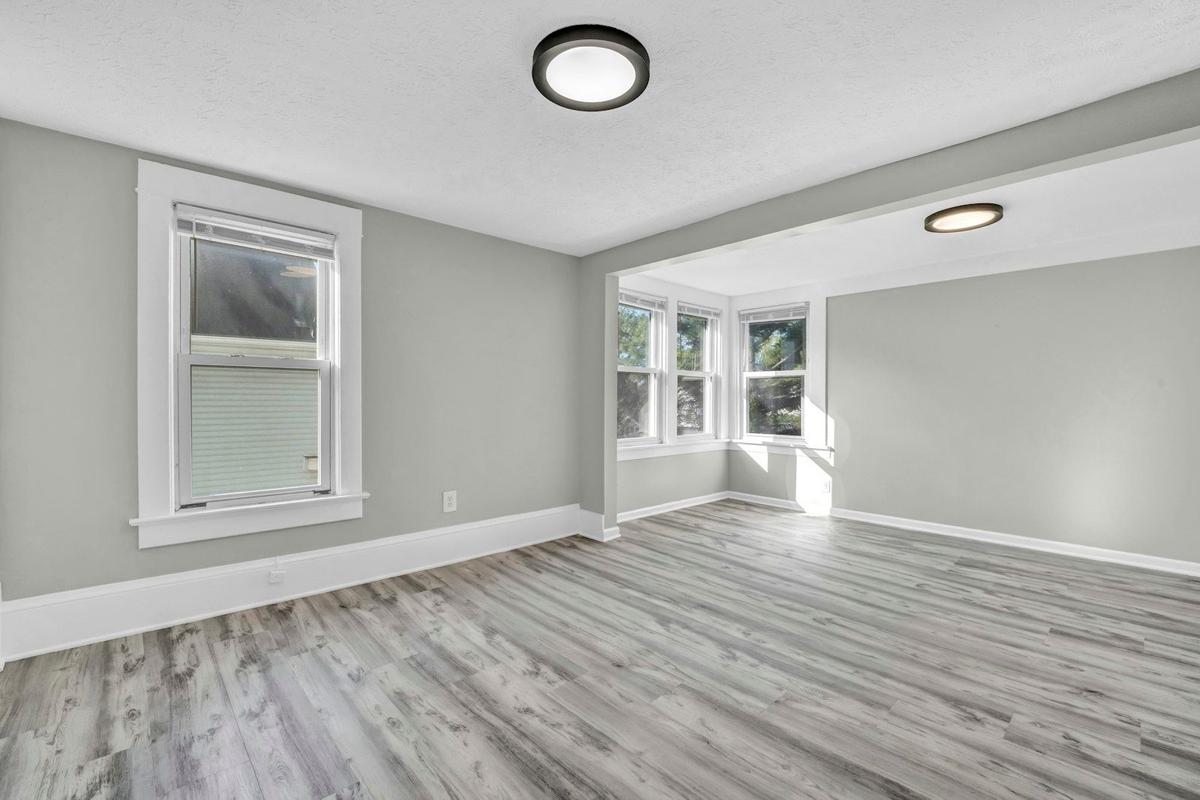
Autumn is a very common time to repaint the interior of a home: holidays are over, evenings grow shorter, and it feels good to refresh the space before spending more hours indoors. But painting well inside depends not just on the colour chosen, but on following the correct work sequence and respecting drying times, something that changes in the colder months compared to summer.
Why work order makes the difference
Many of the defects that appear on a freshly painted wall (stains, roller marks, visible touch-ups) do not come from the paint itself, but from working in the wrong order.
Ceiling, walls and woodwork: the sequence that avoids rework
The logic that professionals follow is simple: always start with the ceiling, continue with the walls and leave the woodwork (skirting boards, frames, doors) for last. The reason is gravity: drips and splashes from the ceiling fall onto the walls, so it makes sense that these are not yet finished when that happens. If the order is reversed, any splash requires touching up a surface that was already considered done.
Skirting boards, on the other hand, are usually protected with tape before painting the walls, precisely because it is easier to mask a narrow strip than to protect the entire wall surface if it were left for the end.
Why it makes sense to leave woodwork for last
Doors, frames and skirting boards typically use a different enamel than the walls, with longer drying times and a finish that gets soiled easily if there is still construction dust in the air. Leaving them as the final phase prevents dust from sanding or splashes from the walls from ruining a finish that needs more care.
Before applying any coat, it is worth checking the actual condition of the surfaces: cracks, flaking paint or remnants of old paint. Prior surface preparation1 determines much of the final result, regardless of the quality of the paint used afterwards.
Drying times: what changes in autumn and winter
One of the most common mistakes when painting in the colder months is applying the second coat too soon, trusting that the wall "no longer marks to the touch".
Why cold and humidity extend drying time
Ambient temperature and humidity directly influence how long a coat of paint takes to be ready for the next one. For plastic paint for interiors, under normal conditions it is typical to wait between 2 and 4 hours between coats, but this time can lengthen considerably when the air is cold or humid, as often happens in a home without heating on during the day. The reason is that with high relative humidity, the paint film takes longer to release the water it contains, even though the surface seems dry to the touch.
That is why in bathrooms, kitchens or interior spaces with poor ventilation it is best to be more patient than usual, especially if painting early in the morning or late in the afternoon, when temperatures drop.
Minimum recommended temperature for interior painting
You do not need a summer temperature to paint an interior, but it is worth avoiding extremes. It is recommended that the air be above 15 degrees during application and drying, something that in most homes in Spain is not a problem thanks to heating, although it is worth remembering that the surface of an outside wall can be considerably colder than the room air shown on the thermostat.
An indicative reference table of times (always consult the product technical sheet):
| Paint type | Touch dry | Recoating (2nd coat) | Normal room use |
|---|---|---|---|
| Interior plastic (water-based) | 1-2 hours | 4-6 hours | 24 hours |
| Water-based enamel (wood, skirting) | 1-2 hours | 6-12 hours | 24-48 hours |
| Synthetic enamel | 2-4 hours | 8-24 hours | 48 hours or more |
Cross ventilation: the trick that helps most in autumn
With windows closed due to cold, the air in the home renews much less, and this slows down drying and concentrates paint odour. Opening windows on opposite sides of the house, even for a while each hour, creates a flow that helps evacuate the humidity released by the paint. It is not advisable, however, to point a heater directly at the freshly painted wall: it dries the surface too quickly on the outside while the interior of the layer remains damp, which can cause wrinkles or uneven adhesion.
Tools and technique for uniform finish
Beyond order and times, the application technique greatly influences whether the wall remains free of roller marks or brightness differences.
- First cut the edges and corners with a brush, leaving a strip of about 5 cm, before running the roller over the rest of the surface.
- Apply the paint in a W or M pattern with the roller and then distribute it evenly, without overloading.
- Apply the second coat in a direction perpendicular to the first: this hides roller marks and the finish looks more uniform.
- Always work from top to bottom and progress through complete sections, without leaving edges partially dry between one section and the next.
If the home has areas with different orientation or windows more exposed to the north, it is common for drying not to be the same in all rooms, so it is worth planning the order of spaces according to the light and ventilation of each one.
What to do if you hire a professional
If instead of painting yourself you prefer to hire it out, it is important to be clear about what information the professional needs to give an accurate quote and avoid surprises.
- Clear photos and videos of each room, including details of cracks, moisture or visible damage.
- The approximate square footage of surfaces to be painted.
- Whether woodwork (doors, skirting boards, frames) will also be painted or just walls and ceilings.
When a quote is calculated per square metre, it is worth remembering that this figure is always indicative: two homes with the same surface area may require very different work depending on the actual condition of their walls. The final price can only be confirmed after assessing the condition of the surfaces, either through photos and videos or an on-site visit; both methods work equally well. On our platform, photos and videos of the surfaces are always requested before closing a quote, precisely to avoid surprises mid-project. Additionally, all agreed scope is recorded in writing and visible to both the customer and the professional and the platform, so there is no doubt about what the work includes.
If you need to refresh several rooms or the entire home, interior painting2 services cover exactly this type of work, from surface preparation to final finish.
Frequently Asked Questions
Yes, autumn is a good season because temperatures are usually mild and allow for ventilation without getting cold. That said, it is worth keeping in mind that days are shorter and ambient humidity can be slightly higher, which extends drying times somewhat compared to summer.
It is not recommended. Although it is cold, it is worth airing the room in short and frequent cycles to help the paint release the moisture it contains. Without ventilation, drying slows down considerably and paint odour takes longer to disappear.
If the first coat has not dried enough on the inside, the second may drag it, generate marks or leave a finish with brightness differences. Touch dry does not always mean the layer is ready to repaint, so it is always worth respecting the time indicated by the manufacturer on the container.
It does not need to be on all the time, but it is worth ensuring the space does not drop below about 15 degrees during application and drying. It is more important to maintain a stable temperature than a very high one, as sudden changes can also affect the finish.
A good practice is to start with rooms with better natural ventilation and light, to take advantage of faster drying, and leave bathrooms or interior rooms with less air renewal for last. This prevents odour and moisture from accumulating throughout the home at once.
Ready to paint?
Get free quotes from verified local painters in minutes. No commitment.
Sources
External sources open in a new tab.
- Pintura interior sin marcas: técnica y preparación paso a pasomyfixio.es
- Pintura Interiormyfixio.es