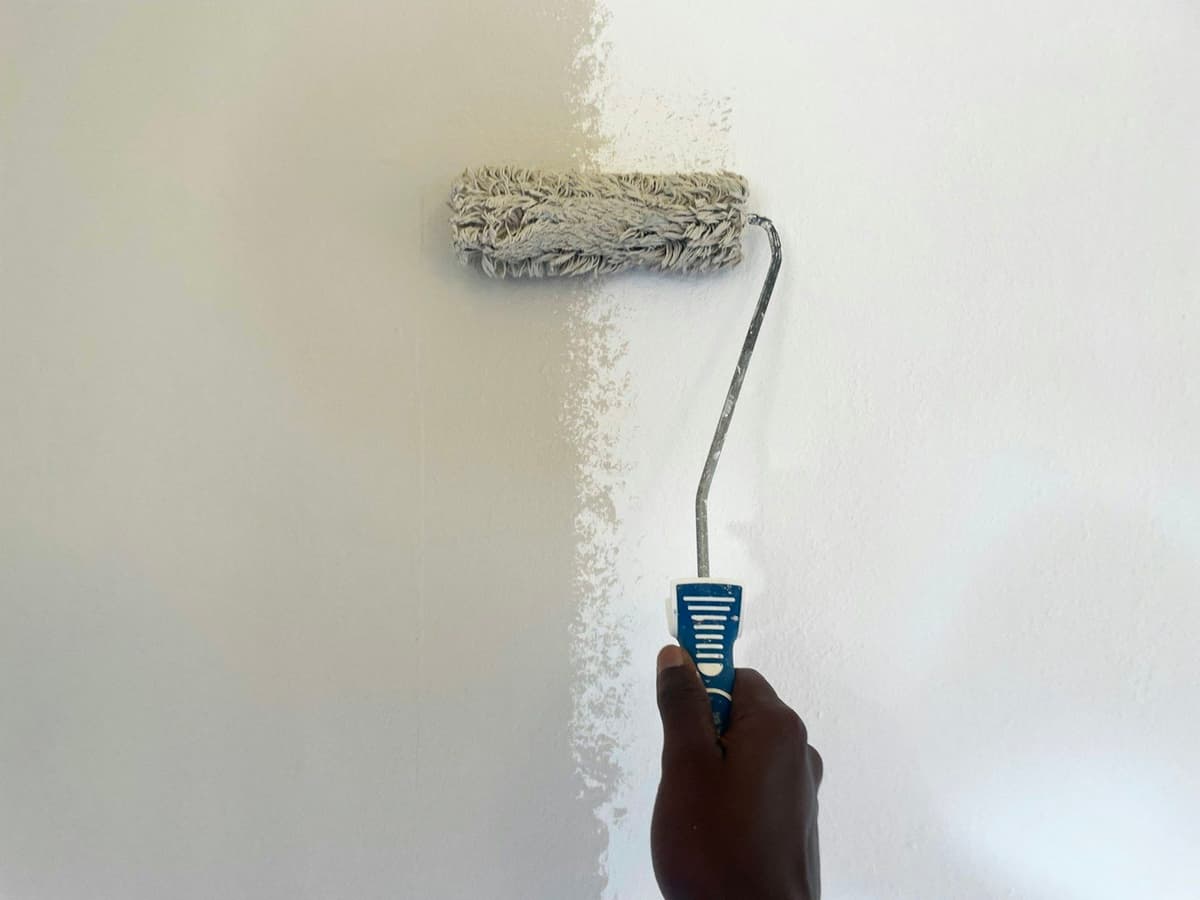
Painting over moisture without first identifying its source is one of the most common mistakes in renovations. The result is usually predictable: the stain reappears weeks later and the paint peels, wasting time and money. The reason is simple - identifying and solving the source of moisture is the mandatory first step1, before any intervention on the surface.
In Spain, moisture problems are one of the most common issues in homes, affecting both new and old properties, and their cause is not always easy to pinpoint. Often homeowners confuse condensation with filtration, applying treatments that do not solve the real problem. This article helps you recognize what type of moisture you are dealing with, so that your investment in painting lasts.
The three main types of moisture in Spanish homes
There are three categories that account for the vast majority of moisture problems in Spanish homes: condensation, filtration, and rising damp. Each has a different source, appears in different areas of the home, and requires specific solutions.
Condensation occurs when water vapor from inside (generated by cooking, showering, or breathing) comes into contact with cold surfaces, such as poorly insulated exterior walls or windows. Thermal bridges, bedroom corners, bathroom and kitchen ceilings, and roller blind boxes are the most vulnerable points2. It is especially common in winter and in old homes without thermal insulation.
Filtration occurs when water from outside penetrates the home, either through cracks in the facade, broken pipes, or poor waterproofing on the roof. Rain is usually the main cause, and its typical appearance is in the form of dark stains and flaking on the walls. Unlike condensation, filtration usually concentrates at a specific point: the area where the break or crack occurs.
Rising damp is the phenomenon by which groundwater rises through the pores of porous building materials (brick, mortar, stone). It is especially common in buildings built before the nineties, which were constructed without waterproof horizontal barriers, and can reach between 80 cm and 150 cm from the base of the wall, always in the lower part. It is easily recognized because it appears from the ground upward, never in high areas.
Visual signs to distinguish each type of moisture
Each type leaves different traces that facilitate diagnosis. Condensation tends to appear as dark stains or mold in the upper corners of rooms, behind furniture pressed against exterior walls, and around windows. Non-absorbent surfaces (glass, mirrors, tiles) show water droplets or persistent condensation, especially in the morning.
Stains from filtration appear in the middle of the wall or in areas close to the facade, ceilings, or downpipes. They have a darker ring around them, the shape of a leak running downward, and the paint is usually cracked, discolored, or peeling. After cleaning the stain, the surface is clearly deteriorated, unlike condensation where the wall retains its original appearance after cleaning the mold.
Rising damp creates horizontal stains starting from ground level, often accompanied by salt efflorescence (crystallized white stains). Plaster or paint peels easily and the wall has a soft or crumbly texture in the lower area. In cities like Valencia, Seville, or Barcelona, it is common in ground-floor apartments and street-level units in old buildings.
Simple tests to confirm the diagnosis
If you are unsure about the source of a stain, you can use simple methods to confirm it. The plastic film test consists of sticking a piece of plastic (kitchen film or aluminum foil) over the damp area with adhesive tape sealing its entire perimeter, and leaving it for 24-48 hours. If moisture appears on the inside face of the film (the one touching the wall), water is coming from inside the wall - rising damp or filtration. If it appears on the outside face (the one facing the room), it is surface condensation.
Another useful tool is a hygrometer, an inexpensive device that measures relative humidity. Readings above 60 percent indicate an environment prone to condensation. In Spain, the ideal is to maintain humidity between 40 percent and 60 percent. If the device shows high levels consistently, especially in winter, and stains are in corners or cold areas, it points to condensation. If room humidity is normal but stains worsen after rain, think filtration.
What to do once the type of moisture is identified
Each problem requires a different approach before painting. One of the most common mistakes is tackling the repair without first conducting a rigorous diagnosis. Once the source is confirmed, the next step is to attack the root cause.
For condensation, the solution involves improving ventilation (installing extractors in bathrooms and kitchens, opening windows daily, considering mechanical ventilation) and raising the temperature of cold surfaces through thermal insulation. Only after controlling these factors does it make sense to clean the mold, let the wall dry completely, and apply paint with anti-mold or anti-condensation properties. If you paint without improving ventilation, mold will reappear.
For filtration, the water entry point must be located and repaired: sealing cracks in the facade, fixing broken pipes, waterproofing the roof, or applying hydrophobic treatments to porous walls. Until the wall is dry (which can take weeks depending on material porosity), it is not advisable to paint. If you apply paint to a wall still damp inside, it will peel or new stains will appear.
For rising damp, treatment is usually more complex and involves installing chemical barriers (injection of water-repellent resins at the base of the wall) or physical barriers (cutting the wall and placing waterproof sheets). Sometimes the option is to install an elevated sanitary floor that separates the floor from the ground. This type of intervention almost always requires the help of a specialized company. Painting without cutting off rising water is pointless: the stain will climb back up.
When to call a professional and what to expect from them
If the stain covers more than one square meter, if it appears in several rooms, if it repeats every winter, or if you cannot clearly identify the source, it is time to seek technical help. Our platform allows you to request a moisture diagnosis before painting: the professional can assess the situation from detailed photos and videos showing the stain, its location, the state of the paint, and affected areas, or conduct a visit. Both options are equally valid for detecting the type of moisture and proposing treatment.
A good diagnosis should identify the type of moisture, pinpoint its specific origin (for example, a crack in a window joint or a broken downpipe), propose the necessary treatment (repair of the cause plus surface preparation), and budget the complete work: from fixing the filtration or improving ventilation to treating the wall and applying the right paint. On our platform, all job details are recorded in writing and are visible to the client, the professional, and the platform, ensuring transparency in the agreed scope.
Remember that painting is always the last step, never the first. Correctly identifying the type of moisture and eliminating its cause is the only way for your paint job to last years, not weeks.
Sources
External sources open in a new tab.