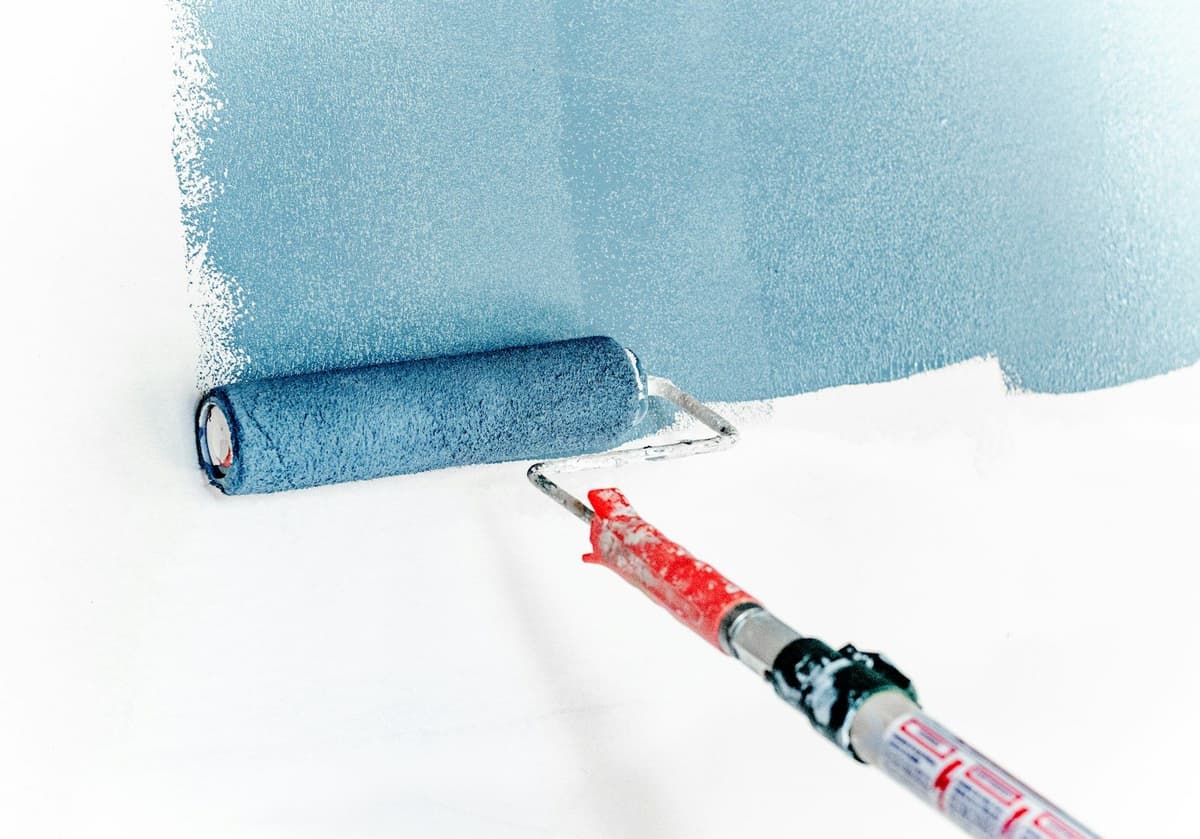
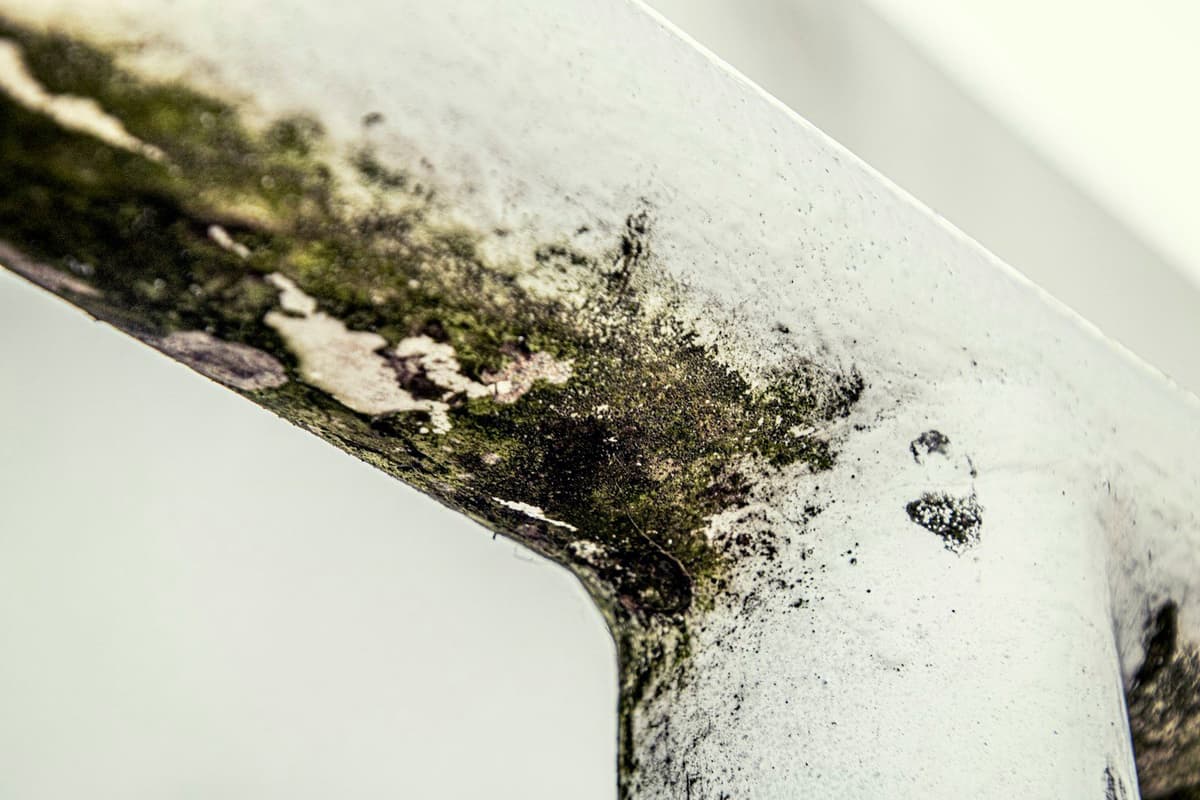
Dampness stains can appear at any time of year in homes throughout Spain, from flats in Barcelona to houses in Valencia or Málaga. Although many associate dampness with winter, it can also appear during warm months in bathrooms, on walls or around windows when ventilation is insufficient. Before deciding to paint a wall affected by dampness, it is worth taking a step back: identifying where the problem comes from is just as important as choosing the colour or finish.
Why the source matters more than the paint
Many people resort directly to anti-mould or anti-dampness paint when they detect stains on a wall. However, professionals warn that covering the affected area does little good if the cause of the dampness continues to be present. Painting over the problem can temporarily hide the stains, but does not prevent them from reappearing weeks or months later.
Preparation makes the difference
Resolving the source is essential to achieve a lasting result1. Once the cause has been identified, the professional can properly prepare the surface, remove any mould residue, apply blocking products if necessary and, only then, paint with the appropriate formulation. Without that prior diagnosis, any painting work runs the risk of returning to square one within a few months.
When it makes sense to paint
Anti-dampness or anti-mould paint has its place, but works as an additional protective layer, not as a unique solution. Applying it to a wall that continues to receive water from constant seepage or condensation is like plugging a crack without closing the conduit feeding it. On our platform, professionals always ask for photos and videos of surfaces before closing any quote, precisely to assess the real state of the wall and avoid surprises mid-work.
The three most common types of dampness in Spanish homes
Not all stains have the same source. Correctly identifying the type of dampness is the first step to choosing the right intervention and, therefore, to making the paint last.
Condensation dampness
Condensation dampness appears when the indoor air accumulates too much moisture and comes into contact with cold surfaces, such as windows, poorly insulated walls or ceilings. As it cools, water vapour turns into droplets and ends up generating stains, mould or a feeling of stuffiness2. It is especially frequent in bathrooms, kitchens, bedrooms and rooms that remain closed for many hours.
This phenomenon tends to intensify in winter, when the difference between outdoor and indoor temperature is greater3. The most affected areas are usually the corners of ceilings, the perimeter of windows and walls facing outwards in properties with poor insulation.
Typical signs:
- Water droplets on glass in the morning
- Dark stains in upper corners of walls
- Smell of dampness in wardrobes or poorly ventilated rooms
- Mould in tile joints or window frames
Seepage dampness
Seepage occurs when water enters from outside through roofs, facades, walls or cracks. This type of problem usually appears after heavy rain or when the external insulation is deteriorated. Seepage stains are usually found on ceilings (under terraces or roofs), on external walls (especially after storms) or around pipes and ducts.
Typical signs:
- Stains that appear or grow after days of rain
- Damp areas near downpipes, gutters or windows
- Flaking paint on ceilings or external walls
- Yellowish or brownish stains that advance from a specific point
Rising damp
Rising damp appears when water from the ground rises up through walls due to the porosity of construction materials. This type of dampness is more common in older properties, ground floors, basements and buildings constructed before the 1990s, when waterproof barriers were not compulsory.
Typical signs:
- Stains on the lower part of walls (up to 1 - 1.5 metres high)
- Saltpetre (white crystals) on the surface
- Paint or plaster peeling from bottom to top
- Persistent smell of dampness on ground floor or in basements
How to distinguish each type in your home
A basic visual inspection can give you important clues about the source of the dampness. Here is a comparative table that summarises the differences:
| Type of dampness | Typical location | When it appears or worsens | Appearance of the stain |
|---|---|---|---|
| Condensation | Upper corners, windows, bathrooms, kitchens | Winter, after showers, in the morning | Dark stains or mould on surface, droplets on glass |
| Seepage | Ceilings, external walls, around windows or downpipes | After days of rain, storms | Yellow or brown stains that advance from a point |
| Rising damp | Lower part of walls (0 - 150 cm), basements, ground floors | Constant, worsens in damp periods | Low stains, saltpetre, flaking from below |
If the stains are on the upper part of the wall or in ceiling corners, and appear mainly in winter or in rooms with poor ventilation (bedrooms, bathrooms), it is most likely condensation. If the stains coincide with rainy days or are near a terrace, roof or external window, think about seepage. If the stains are always on the lower part of the wall, with white crystals or flaking, it is rising damp.
What to do once you have identified the source
Once you know where the dampness is coming from, you can act coherently. Each type requires a different intervention before painting.
Intervention for condensation
The key is to improve ventilation and, if possible, the thermal insulation of cold surfaces. Opening windows daily, installing extractors in bathrooms and kitchens, or fitting ventilation grilles are measures that reduce environmental moisture. Painting should be accompanied by an improvement in ventilation.
If stains have already appeared, it is advisable to clean the mould with specific products (never paint directly over spores) and then apply breathable paint with anti-mould preservatives. On our platform, the professional can also recommend improving ventilation as part of the quote, not just painting.
Intervention for seepage
Here the first step is to repair the water entry route: seal cracks in the facade, repair the waterproofing of the terrace, check gutters or replace window joints. Only once the seepage is resolved does it make sense to repair the damaged plaster, apply stain-blocking products and paint.
If you paint before fixing the seepage, the stain will return with the next rain. That is why, when a professional inspects the photos or videos you upload to the platform, they can detect this type of problem and warn you before accepting the quote.
Intervention for rising damp
Rising damp is the most complex type of dampness and usually requires specialist intervention: chemical barriers, electro-osmosis systems or wall remediation with breathable mortars. Painting directly over a wall with active rising damp resolves nothing; the stains and saltpetre will return.
If you suspect your home has this problem (especially if it is old, on the ground floor or has a basement), it is worth asking a professional for an assessment before investing in paint. In some cases, the solution involves a prior treatment and, only then, painting with specific products that allow the wall to breathe.
Specific cases in Spanish cities
Geography and climate also play a role. In coastal cities like Málaga, Alicante or Valencia, environmental moisture is high all year round and condensation is more frequent, especially in properties with limited ventilation. In inland areas like Madrid or Zaragoza, condensation appears mainly in winter, when heating is used and windows remain closed.
In northern Spain (Bilbao, Galicia, Asturias), last winter was particularly rainy in much of the country, creating conditions capable of putting facades, walls and homes to the test. In those areas, checking facades and roofs before autumn arrives can prevent seepage when rain returns.
In old neighbourhoods of Seville, Granada or Toledo, rising damp is more common due to the age of the buildings and the lack of waterproof barriers in the foundations. If you live in one of those areas and detect low stains with saltpetre, consult a professional before painting.
Frequently Asked Questions
It is not recommended. Even if the surface appears dry, if you have not resolved the cause of the stain (condensation, seepage or rising damp), it will reappear. Before painting, identify the source, repair or improve conditions (ventilation, sealing, barrier) and clean the surface thoroughly. Only then will the paint have a lasting result.
Observe the location and when it appears. Condensation is usually in upper corners, windows or bathrooms, and worsens in winter or after showers. Seepage appears on ceilings or external walls, and coincides with rainy days. If the stain grows after a storm, it is seepage; if it appears in winter in a bedroom corner, it is condensation.
No. Anti-mould paint protects the surface and hinders spore proliferation, but does not eliminate dampness. If the air continues to be laden with vapour (condensation) or water continues to enter (seepage, rising damp), mould will return. Paint is the last step, not the first.
Whenever stains reappear after you have painted, if you detect saltpetre on the lower parts of walls, if stains grow after rain or if you are unsure about the source. A professional diagnosis avoids spending money on solutions that do not work. On our platform, painters verify the state of surfaces through photos and videos before closing the quote, precisely to avoid surprises.
Quotes per m² are always indicative, never definitive, because two surfaces with the same area can be in very different states (cracks, dampness, deteriorated plaster). The final price is only confirmed after seeing the real state of the walls, either through photos and videos or with a visit. Both options work equally well; what matters is that the professional has seen the surface before you accept the quote.

Ready to paint?
Get free quotes from verified local painters in minutes. No commitment.
Sources
External sources open in a new tab.