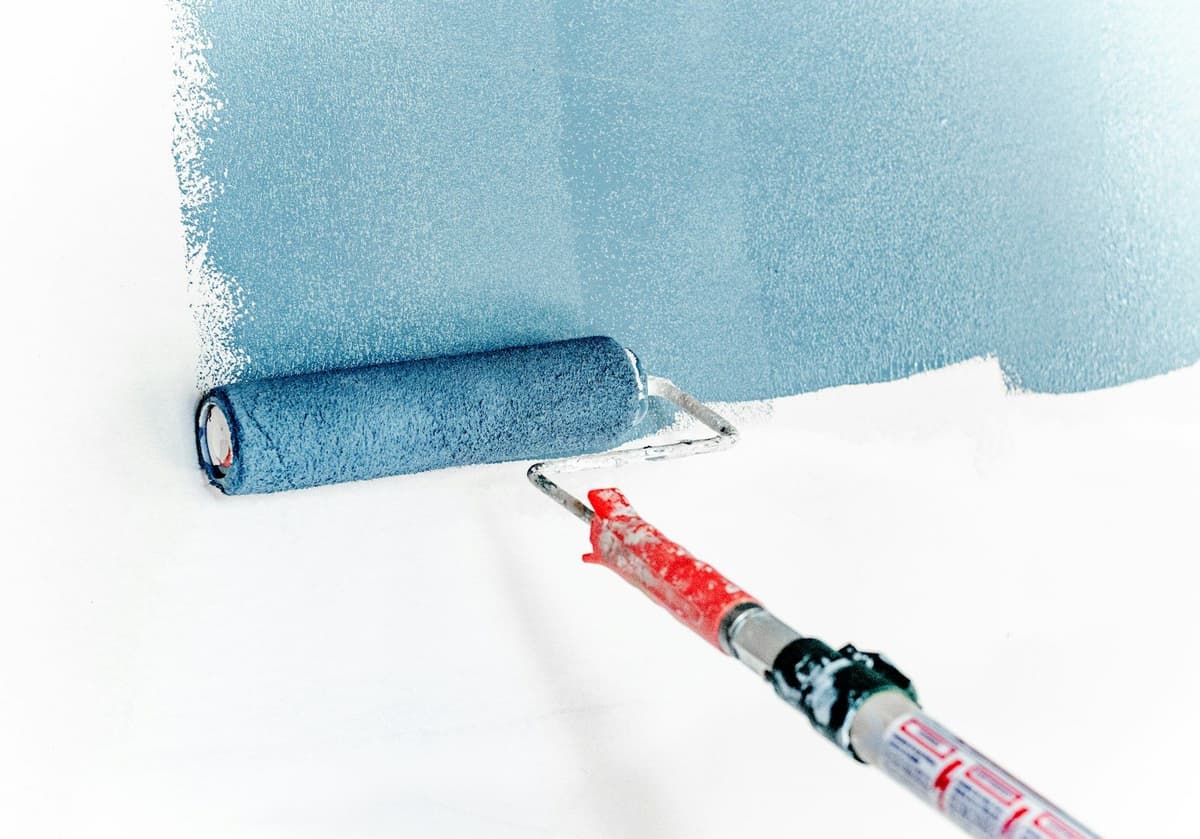
Choosing a low-VOC paint is not just about finding a green label on the tin. It means understanding what volatile organic compound levels truly indicate, knowing when a paint labelled as ecological genuinely meets that standard, and evaluating whether what you are about to buy is the best option for your home and family. In recent years, the supply of low-VOC paints has grown significantly in Spain, but not all formulations are equal nor do all certifications carry the same rigour.
This article helps you make an informed decision: from understanding what the label indicates to comparing the different options available in the Spanish market, including recommendations based on room type and the profile of people living in your home.
What VOC levels in paint really mean
What are VOCs and why they matter
Volatile organic compounds, or VOCs, are chemical substances that evaporate at room temperature and are released during and after paint application. These compounds affect indoor air quality and can cause eye and throat irritation, headaches, or respiratory problems, especially in sensitive people, children and the elderly.
The maximum VOC emission from paint occurs during the first 3 days after application, so knowing the VOC level of the paint you are going to use allows you to better plan ventilation and when the room can safely be occupied again.
Legal thresholds and eco-labels
In Spain, as throughout the European Union, there are regulated maximum limits for VOC emissions in paints. For water-based interior paints, the general limit is 30 g/L. However, paints certified as low-VOC are usually well below this threshold.
The "No VOC" distinction is allowed provided the content is below 5 g/L, while the Ecolabel for ecological paints permits up to 30 g/L. This means a paint can carry the Ecolabel seal and still contain certain VOC levels, though always within safe limits set by European regulations.
Difference between ecological and natural paints
Ecological paints should not be confused with natural paints: ecological paints contain small amounts of VOC but do not certify that their components are of natural origin, as they are in acrylic form and typically meet the Ecolabel standard. Natural paints, by contrast, contain no toxic volatile organic solvents and are composed of plant oils, natural resins, casein or citrus derivatives and silicates for exterior use, with pigments free from heavy metals.
For most homes in Spain, ecological paints certified with Ecolabel offer an excellent balance between performance, availability and safety. Natural paints are a more specialised option, ideal for people with multiple chemical sensitivities or for bioconstruction projects.
How to read ecological paint labels and certifications
The Ecolabel: what it guarantees and what it does not
The European Eco-Label, known as Ecolabel, is a voluntary labelling system that helps consumers identify products that are more ecological and environmentally friendly. The logo is a star-shaped flower with the euro symbol in its centre, and its presence on a paint tin indicates that the product has undergone a series of rigorous checks.
To obtain the Ecolabel, the European Commission's Eco-Label Board conducts studies to verify that the product minimises pollution, reduces energy consumption and meets environmental requirements. In Spain, the processing of this certification is delegated to the Autonomous Communities.
However, it is important to understand that Ecolabel is a certification of reduced environmental impact, not of 100% natural origin. If you are looking for a paint completely free of synthetic components, you should look for brands specialising in natural paints that explicitly certify that characteristic.
Other certifications and trusted marks
Beyond Ecolabel, there are other international certifications that some manufacturers use to demonstrate their products' environmental commitment. These include LEED, BREEAM and VERDE, which are sustainable construction certification systems. Some products contribute to these certifications, such as Magnum Ecological paint which includes Ecolabel certification and provides points in LEED, BREEAM and VERDE1.
When evaluating a label, always look for clear information about VOC content expressed in g/L. If the manufacturer does not specify this data visibly, it is a warning sign.
Where to find certified paints in Spain
Ecological paints with Ecolabel certification are no longer a niche product. Large DIY stores and specialist paint shops in cities like Madrid, Barcelona, Valencia, Seville and Málaga stock complete ranges of low-VOC paints. Brands such as Montó, Isaval, Blatem, Jafep, Titanlux and others offer ecological ranges widely distributed throughout Spain.
For more specialised natural paints, there are specific distributors for brands such as Keim, Livos, Auro, Biofa and PNZ, which work with mineral or plant-based products.
When to choose low-VOC or natural paint by room
Bedrooms and children's rooms: absolute priority
Low-VOC paints are ideal for homes with children, elderly people or people with chemical sensitivity issues. In bedrooms, where we spend between 6 and 8 hours daily, indoor air quality has a direct impact on rest and long-term health.
In baby and young children's rooms, consider paints with Ecolabel certification and VOC levels below 5 g/L. Some formulations allow the room to be occupied the same day as application, although it is always recommended to ventilate well and wait at least 24 hours before a baby sleeps in the newly painted room.
Living rooms and common spaces: balance between durability and health
In living rooms, hallways and dining areas, paint must combine low VOC content with good wash resistance and wear, especially if there are children or pets at home. Current ecological paints offer matt, satin and washable finishes that do not sacrifice performance for sustainability.
In homes in cities like Valencia, Murcia or Alicante, where the climate is warmer and drier, water-based ecological paints work especially well, as they dry quickly and maintain the breathability of the substrate.
Kitchens and bathrooms: resistance and breathability
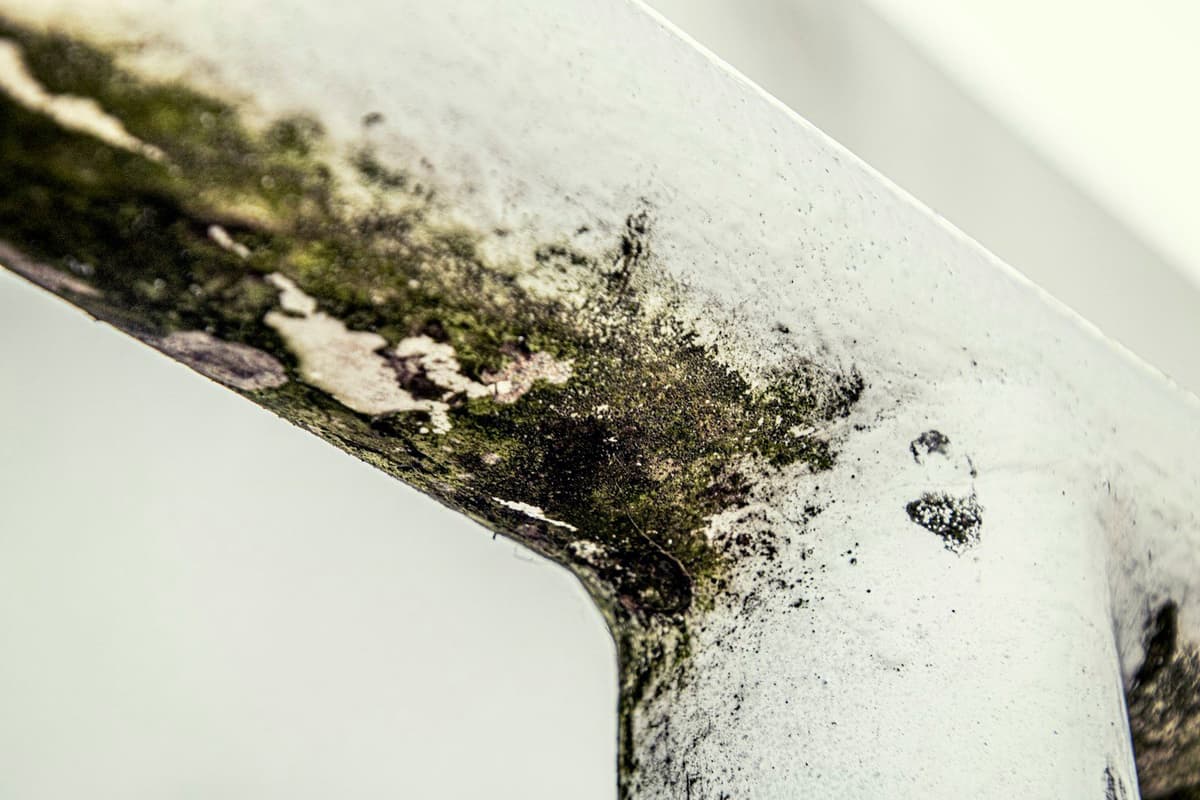
In rooms with higher humidity, such as kitchens and bathrooms, it is essential to choose low-VOC paints that are also breathable and moisture-resistant. Natural paints do not create an impermeable layer on plaster or cement, but rather allow the wall render to breathe, which helps prevent condensation and mould problems.
Ecological paints with Ecolabel certification typically include anti-mould properties and enhanced washability, suitable for these high-traffic spaces and exposure to steam.
Comparison table: ecological paint options by needs
| Paint type | Typical VOC level | Best for | Availability in Spain | Approximate price range (per litre) |
|---|---|---|---|---|
| Ecological paint certified Ecolabel | 5 - 30 g/L | Entire home, general use | High (large stores and specialist shops) | 8 - 15 € |
| Low-VOC paint without certification | 10 - 30 g/L | Living rooms, hallways, dry areas | High | 6 - 12 € |
| "No VOC" paint (<5 g/L) | 0 - 5 g/L | Bedrooms, children's rooms, sensitive people | Medium-high | 12 - 20 € |
| Natural paint (plant or mineral-based) | 0 - 2 g/L | Bioconstruction projects, people with chemical sensitivity | Medium (specialist distributors) | 18 - 35 € |
| Silicate paint (mineral) | 0 - 5 g/L | Facades, breathable interiors, humid climate | Medium | 20 - 40 € |
Practical tips before buying low-VOC paint
Consult the professional before deciding
Before buying the paint, it is recommended that the professional painter sees the condition of the surfaces, either through photos and videos or with a visit to the location. Our platform always requests photos and videos of surfaces before closing any quote, precisely so the professional can recommend the most appropriate paint type and calculate the exact amount needed.
Some surfaces with previous moisture problems, cracks or old paint in poor condition may require prior treatments that influence the choice of ecological paint type.
Calculate the quantity needed correctly
Ecological paints typically have similar coverage to conventional paints (between 10 and 12 m² per litre in two coats), but some natural formulations may require additional coats to achieve the desired opacity. Always check the manufacturer's technical sheet and, if in doubt, ask the professional to include the exact amount of paint needed in the quote.
Remember that a quote per m² is always indicative. Two surfaces with the same area may be in very different conditions (cracks, moisture, degraded plaster), and the final price can only be confirmed after assessing the actual condition of the walls.
Verify colour availability
Most certified ecological paints can be tinted with water-based tints to obtain a wide range of colours. However, some natural paints have more limited palettes, with earth tones, ochres and mineral colours. If you are looking for a specific colour, confirm with the distributor or manufacturer that it can be achieved with the ecological paint you have chosen.
Plan ventilation and drying time
Ecological paints do not release intense or toxic odours, so rooms can be used in less time after being painted, and the air remains cleaner, avoiding the sensation of "strong paint smell". Even so, it is important to ventilate well during and after application, especially in homes in humid areas like Galicia or the Basque Country, where drying may be slower.
Always keep labels and technical sheets
Once you have chosen the paint, keep the labels and technical sheets of the product. In case you need a touch-up in the future, you will have exact information about the colour, finish and product reference, which will make it easier to find the same shade and type of paint.
What to do if you need help choosing the right paint
Request several quotes with recommendations included
When asking for quotes to paint your home, do not just compare prices. Ask professionals what type of paint they recommend based on the condition of your walls, the climate in your area and the use of each room. A good painter will always take these factors into account before making a proposal.
On our platform, professionals can see the scope of work online: the client, the professional and the platform have access to the agreed details in writing, which includes the type of paint, number of coats and any necessary prior treatment. This avoids surprises and misunderstandings mid-work.
Verify the professional is registered
Before hiring a painter, it is important to ensure that they are registered as self-employed or have a properly constituted company. Our platform performs that verification for you: we confirm that each professional is registered and can operate legally, so you do not have to worry about that procedure.
Agree payment clearly
Payment on our platform works in two parts: 50% at the start (to reserve the date and purchase materials) and 50% at the end, once work is verified. This model protects both client and professional, and guarantees that both parties fulfil what was agreed.
If the professional proposes buying the paint directly, make sure they provide you with the brand, reference and VOC level of the product before closing the agreement. Never accept a quote in which the type of paint is not specified.
Frequently Asked Questions
No. Ecological paints certified with Ecolabel can contain up to 30 g/L of VOC, although they are usually below that threshold. Only those labelled as "No VOC" or "Zero VOC" guarantee levels below 5 g/L. Natural paints typically have even lower levels, between 0 and 2 g/L.
Yes, there are ecological paints specifically for facades, such as silicate or lime, which combine low VOC content with high durability and breathability. In coastal climates such as those in Málaga, Alicante or the Canary Islands, silicate paints offer excellent resistance to humidity and salinity.
The price difference has decreased significantly in recent years. Ecological paints with Ecolabel certification typically have a cost premium of between 2 and 5 € per litre compared to conventional mid-range paints. Natural paints are more expensive, but their use is usually limited to specific projects.
Some ecological paints allow the room to be occupied the same day, but it is recommended to ventilate well for at least 24 hours before a baby or small child sleeps in the room. Although VOC emissions are minimal, ventilation ensures that any trace of solvent is completely eliminated.
Natural paints are distributed through specialist bioconstruction and sustainability shops. Some brands available in Spain are Keim, Livos, Auro, Biofa, Kreidezeit and PNZ. There are also online distributors that ship throughout the peninsula, making access easier from medium-sized cities and rural areas.

Ready to paint?
Get free quotes from verified local painters in minutes. No commitment.
Sources
External sources open in a new tab.