When you decide to paint your home, one of the first things you search for is the price per square meter. However, that number rarely tells the whole story. Two flats of the same size in the same city can have budgets that double or even triple, and the reason is not always obvious. Understanding what factors really influence the cost allows you to come prepared when requesting quotes and prevents your project from going off track.
The condition of the walls is the most important factor
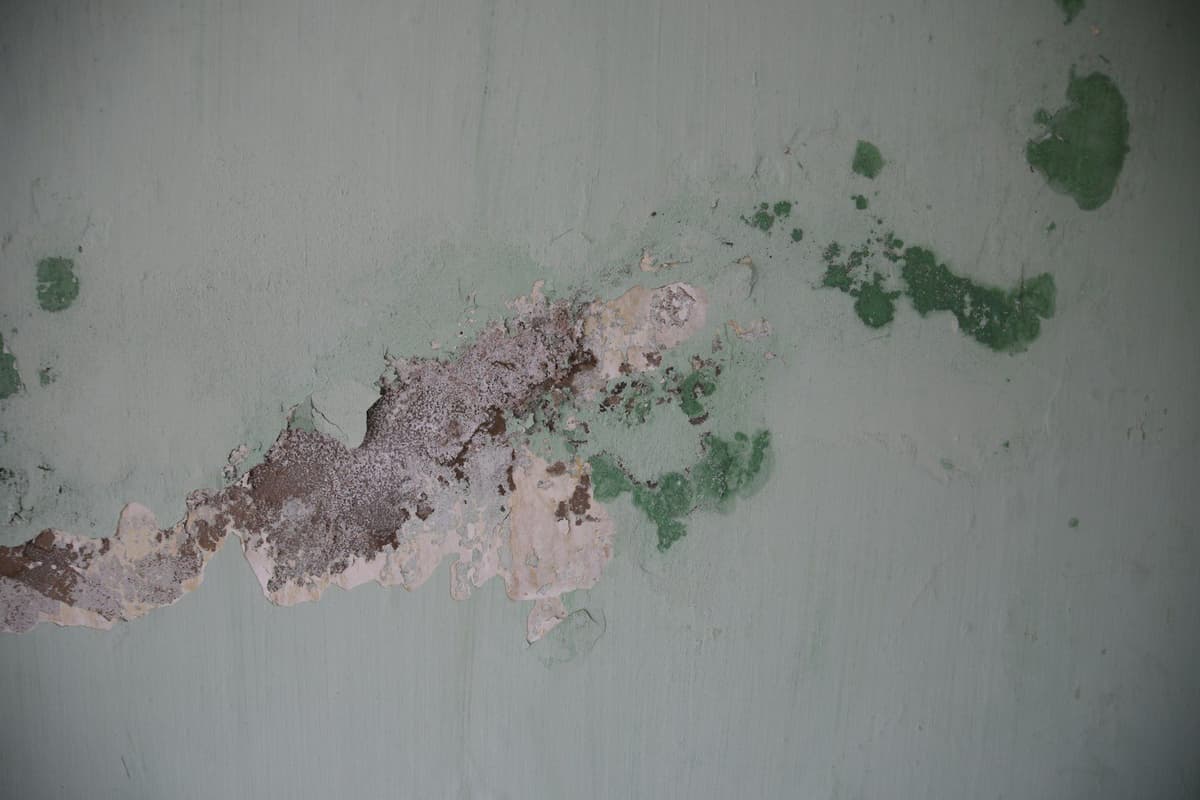
The condition of the walls is the most decisive factor when calculating the price of painting a home. If walls show cracks, moisture damage, holes, or peeling paint, preparatory work will be needed before painting1. These preliminary tasks (filling, sanding, primer application, popcorn ceiling removal) can represent up to half the total project cost.
For example, removing popcorn ceiling and smoothing an 80 m² flat can add between 1,500 € and 3,000 € to the budget2. That is, a home with smooth walls in good condition can be painted for about 1,000 euros, while that same home with popcorn ceiling and necessary repairs can easily exceed 3,000 euros.
This is one reason why a quote based solely on square meters is always indicative. Two surfaces with the same area can be in completely different conditions: one with old peeling paint and cracks, and another smooth and clean. The final price can only be confirmed after evaluating the actual condition of the walls, either through detailed photos and videos or through a site visit. Our platform always requests images and videos of the surfaces before closing any quote, precisely to avoid surprises during execution.
Labour costs more than materials
Labour represents 60-70% of the total budget, making it the factor with the most weight on the final price. The rest corresponds to materials: paint, primer, painter's tape, protective plastic, and rollers. This means that even if you choose premium paint instead of standard paint, the difference in total cost rarely exceeds 200-300 euros for a complete flat.
In large cities like Madrid or Barcelona, costs can be 15% to 20% higher than in Valencia or Seville, due to a higher cost of living and demand for professionals. For example, painting an 80 m² flat in good condition might cost around 1,200 euros in Barcelona, while that same work in a smaller city could be around 900-1,000 euros.
The layout of the home also matters. An open-plan flat is faster to paint than one with many narrow hallways, corners, mouldings, or ceilings higher than three meters. All these elements require more time and equipment (scaffolding, platforms), which directly translates to an increase in the budget.
The type of paint and colour chosen make real differences
Although labour is the largest cost item, the type of paint does have a measurable impact on the final budget. Standard acrylic paint can cost 20-30 euros per 15-litre can, while washable mid-range paint or specific moisture-resistant paint can reach 60-80 euros per can. For a complete flat, the total difference in materials can be around 150-300 euros.
But beyond the type of paint, the colour chosen also matters. White usually covers with fewer coats, reducing time and paint consumption. Intense colours or dramatic changes may require an extra coat, adding 1 to 2 euros per square meter. If you decide to cover a dark colour with a light one, or paint walls in vivid tones like reds, dark blues, or deep greens, it is common to need an additional primer coat plus two finish coats.
In homes with high humidity, such as flats in coastal areas (Málaga, Alicante, Cádiz, the Balearic Islands, or the Canary Islands), or bathrooms and kitchens, it is advisable to invest in technical moisture-resistant paints or those with low VOC emissions. Although the initial cost is slightly higher, the medium-term savings on repainting and maintenance compensate for the investment.
Painting with furniture or in an empty home is not the same
In empty homes, work is faster and more economical. Painting with a furnished home means protecting floors, furniture, electrical outlets, door and window frames, and moving objects from one room to another. All this slows down the work and adds time (and cost) to the project.
If you decide to paint with furniture, emptying the rooms yourself or grouping the furniture in the center of each room will greatly facilitate the work and can reduce the necessary time by one or two days. On a 1,200 euro budget, that could translate to savings of 150-200 euros.
Another variable often overlooked: the time of year. Hiring during the off-season (January, February, March) can allow you to negotiate discounts of up to 10-15% and enjoy greater availability of qualified professionals. In contrast, in spring and summer demand is high, schedules are more saturated, and room for negotiation decreases.
How to prepare before requesting quotes
Before requesting quotes, take time to inspect the actual condition of your walls. Take detailed photos and videos of all rooms, paying special attention to areas with cracks, peeling paint, moisture stains, popcorn ceiling, or old paint. This visual documentation will allow professionals to accurately assess the scope of work and adjust the price accordingly, without needing to travel physically in an initial phase.
Also decide whether you will paint ceilings in addition to walls, what type of paint you prefer (standard, washable, moisture-resistant, eco-friendly low-VOC), and whether you want to change the base colour or keep neutral tones. The more information you provide from the start, the more accurate the quotes you receive will be.
Always compare at least three quotes from different professionals. The difference between the most expensive and most economical offer can easily exceed 30-40%, and the most expensive quote does not always guarantee better quality, nor does the cheapest mean real savings. Carefully read what each offer includes: whether the price covers surface preparation, number of coats, paint quality, protection of floors and furniture, and final cleaning.
On our platform, all job details are recorded in writing and visible to the client, professional, and platform. This eliminates misunderstandings and ensures that the project scope is clear from the beginning. Additionally, we verify that each professional is properly registered as self-employed or has an incorporated company before presenting them as an option, saving you that manual check.
How to optimise your budget without sacrificing quality
Once you have detailed quotes, there are several ways to optimise spending without compromising the final result. If your budget is tight, consider painting in phases: first the common areas (living room, hallway) and then the bedrooms. This spreads the investment over time and allows the professional to optimise travel if they return to your home for a second visit.
If the main problem is popcorn ceiling, consider whether you really need to remove it throughout the entire home or if you can limit it to the main rooms (living room, hallways, master bedroom) and leave it in less visible areas (storage room, pantry). The cost difference can easily exceed 1,000 euros.
Invest in good surface preparation. Proper sanding and filling, along with quality primer, extend the life of the paint and reduce the need for touch-ups. It is better to spend 15-20% more on preparation than to have to repaint in two or three years because the paint is peeling or stains appear.
Finally, make sure that payment is structured fairly. On our platform, the model is always the same: 50% at the start (to reserve the date and purchase materials) and 50% at the end, once the work has been verified. Never accept payment schemes where you have to advance 80-90% of the amount before the work is finished and reviewed.

Ready to paint?
Get free quotes from verified local painters in minutes. No commitment.
Sources
External sources open in a new tab.