When you decide to paint your home's facade, the final price can vary enormously. Two properties of the same size can receive quotes that differ by thousands of euros, and it's not always easy to understand why. Understanding which factors increase the project cost allows you to plan realistically, compare quotes objectively, and make better-informed decisions.
Surface condition: the factor that brings the most surprises
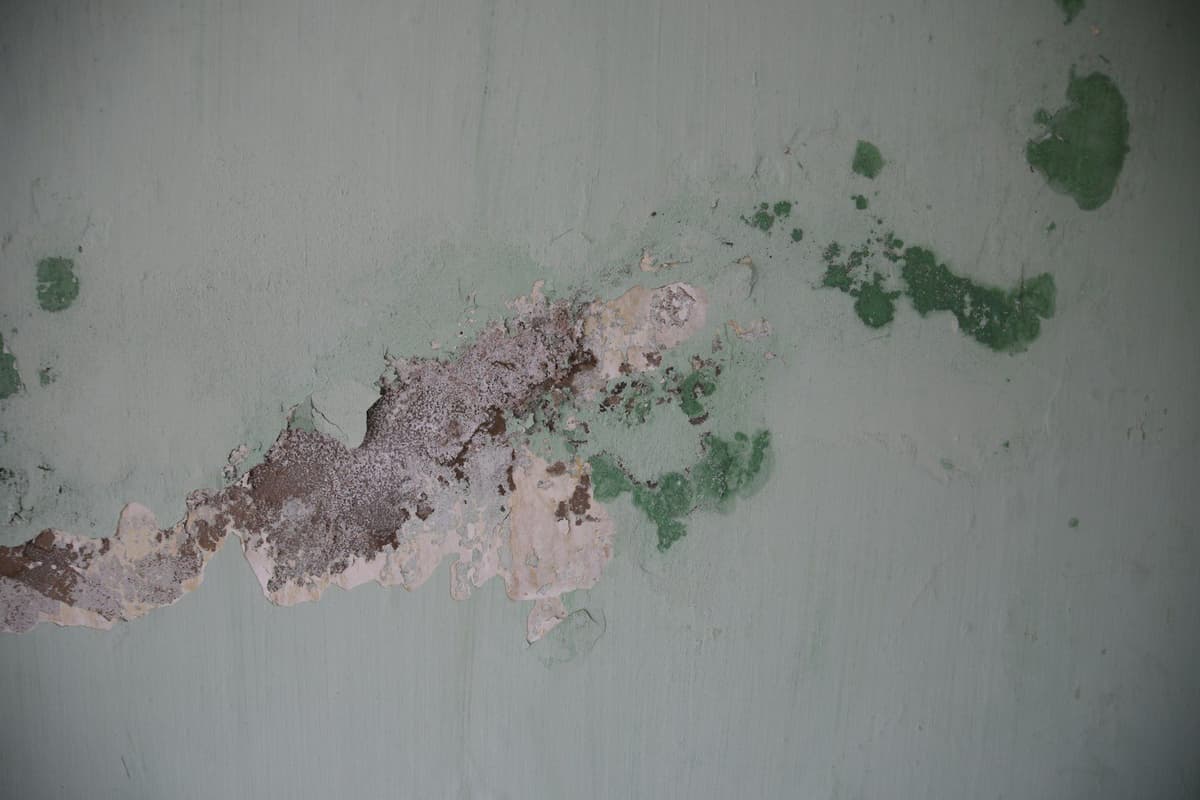
The element that most influences cost, and the one most often underestimated, is the actual condition of the walls. A facade may have the same square meters as another, but if it shows cracks, peeling paint, mould or damp, the price jumps significantly. The reason is simple: before applying a single coat of paint, the surface must be cleaned, repaired, sanded and, in many cases, treated with specific products.
These preparation tasks can add between 3 and 6 euros per square meter to the base quote, or even more if the surface has structural damage. That's why, when you request a quote per square meter, remember that figure is always indicative. Two surfaces of equal size can be in very different conditions (cracks, damp, deteriorated render), and the final price can only be confirmed after evaluating the actual condition of the walls.
This is where an important detail comes in: our platform always requests photos and videos of the surfaces before closing any quote, precisely to anticipate this assessment and prevent you from encountering cost overruns mid-project.
Paint type and quality: a medium-term investment
Not all facade paints cost the same or offer the same durability. In the market, basic acrylic paints may cost around 3-5 euros per litre, while high-quality ones (siloxane, pliolite, UV-resistant) easily exceed 15-25 euros per litre.
The temptation to choose the cheapest option is understandable, but the climate in many regions, especially in coastal areas or with intense sun exposure, is harsh on low-grade paints. A cheap paint can start to peel, lose colour or crack within one or two years, while quality paint maintains its finish for five to ten years.
In coastal areas, where salt spray and damp are constant, homes often need repainting every two or three years if standard paint is used. In inland areas, that period can extend to four or six years. In the long run, investing in quality paint can be more economical than frequent repainting.
Access and scaffolding: the hidden cost
One aspect many property owners don't anticipate is the cost of access. Painting a ground-floor facade is completely different from painting a building of three or more storeys. Once scaffolding, elevated platforms or specialist access work is needed, the budget changes dramatically.
Scaffolding rental can cost between 150 and 500 euros per week, depending on the height and size of the structure. If the building is tall or has difficult access, the scaffolding cost can represent between 15% and 30% of the total budget. For five-storey buildings, the overall price can easily exceed 8,000 or 10,000 euros, including access, preparation and painting.
For single-family homes of one or two storeys, the cost usually falls between 1,500 and 3,000 euros if the walls are in good condition, but can double if full scaffolding or lifting equipment is needed.
Labour: the heaviest budget component
Labour is, by far, the most important component of the price. It accounts for between 60% and 70% of the total cost of an exterior painting project. A professional painter charges between 20 and 40 euros per hour, though in large cities that rate can approach 35-40 euros.
When quotes are given per square meter, the usual range for painting a facade is between 10 and 35 euros per square meter, including materials and labour. The exact price depends on the type of paint, the condition of the wall, the height and complexity of the work (number of colours, finishes on mouldings, shutters, etc.).
A key detail: our platform always verifies that the professional is registered as self-employed or has a properly registered company before presenting them as an option. This saves you the task of checking whether the painter meets their tax and labour obligations, and gives you greater peace of mind when formalising payment.
Speaking of payment, our model is straightforward: 50% at the start to reserve the date and purchase materials, and 50% at the end once the work is verified. We never work with three-part schemes or upfront lump-sum payments.
How to plan your budget without surprises
Before requesting quotes, do a visual inspection of your facade. Note whether there are visible cracks, areas with peeling paint, damp patches or mould. If you live in a coastal area, bear in mind that salt spray accelerates deterioration. If your facade receives direct sun for many hours a day, the paint will wear faster.
Always request quotes per square meter, never a fixed price without details. This way you can compare objectively between different professionals. Make sure the quote specifies the paint type, number of coats, whether it includes pressure washing beforehand, crack sealing, and whether the scaffolding cost is included or separate.
If the professional offers a two or three-year guarantee, it's a sign of confidence in their work and the materials they use. And remember: photos and videos of the facade before signing any agreement are your best tool for avoiding misunderstandings and adjusting the quote to reality.
Ready to paint?
Get free quotes from verified local painters in minutes. No commitment.