Autumn is the season when it becomes clear whether a facade is properly protected or not. Intense rainfall, high humidity and sudden temperature swings put any external coating to the test, and not all paints respond equally to water. Understanding which paint system suits each facade type helps avoid problems when the first rain fronts arrive.
Why exterior paint type matters more than it seems
What the seasonal forecast says for this autumn
According to AEMET's seasonal outlook, the trend is clear towards temperatures above normal throughout the country, though precipitation forecasts show regional differences and greater uncertainty. In northern and eastern mainland Spain, as well as the Balearic Islands, there is a 40% probability of rainfall exceeding normal levels, against a 25% chance of below-normal rainfall. In the northwestern mainland, the situation is even more marked: the probability of above-normal precipitation reaches 70%.
This means that in regions like Galicia, Basque Country, Cantabria or Asturias, it is wise to pay special attention to the facade's condition before the rains of the coming months accumulate. In areas of Castile and Leon or the interior mainland, where a more humid quarter is also expected, the same logic applies, though with less intensity.
What happens to an unprotected facade
Water leaks are one of the most common problems in Spanish homes. It is estimated that approximately 20% of Spanish households experience moisture-related problems, which compromises building stability and increases the risk of respiratory illnesses1. When a facade is not properly protected, rainwater finds the weakest path: a crack, a deteriorated joint or untreated porous material.
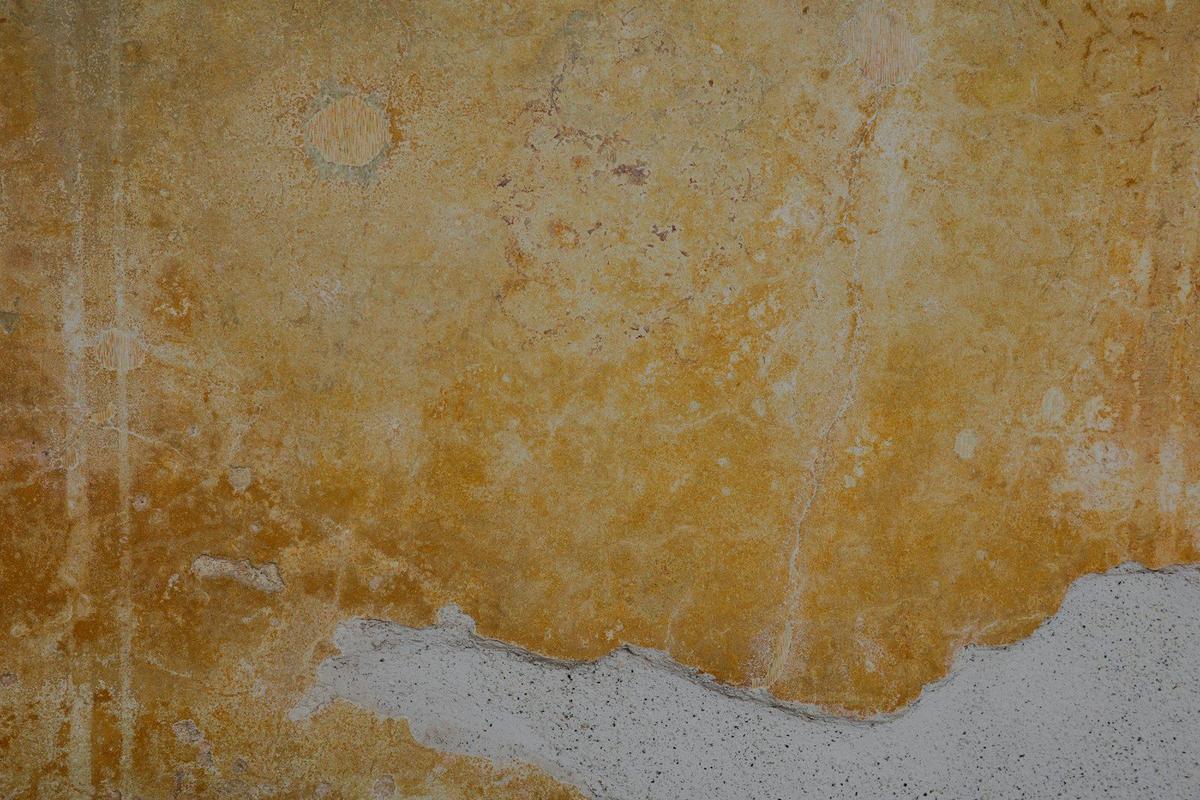
Over time, this leads to stains, flaking and, in advanced cases, structural damage. In fact, facade cracks, damaged roofing and structural fractures are common problems requiring costly repairs. Painting the facade properly is not merely an aesthetic matter: it is the first barrier against this type of deterioration.
Types of paint and systems to protect the facade
Breathable paint versus waterproof paint
Not all "anti-damp" paints work the same way. It is important to distinguish between two concepts often confused:
- Pure waterproof paint: completely blocks water passage, even under pressure, but if the facade lacks an air cavity it can create condensation inside the home.
- Breathable paint: repels rainfall on the surface but allows water vapour generated inside the home to escape outdoors, reducing trapped moisture risk.
- Elastic acrylic systems: combine good adhesion with the ability to bridge small cracks without losing breathability, a common choice on brick, mortar or concrete facades.
For most homes in Spain, especially in coastal areas with high ambient humidity (Galicia, Valencia Community, Andalusia), breathable paint is usually the most balanced option, as it protects without completely "sealing" the wall.
How orientation and regional climate matter
Facade orientation and regional climate determine which type of finish is most suitable:
| Region / condition | Main challenge | Recommended system type |
|---|---|---|
| North coast (Galicia, Asturias, Basque Country) | Frequent rain, high ambient humidity | Breathable paint + good wall ventilation |
| Interior mainland (Castile and Leon, Aragon) | Frost and sudden thermal changes | Elastic acrylic resistant to cold |
| Mediterranean coast (Valencia, Alicante, Murcia) | Salt spray and sea-breeze humidity | Anti-mould paint with salt resistance |
| Urban areas with pollution (Madrid, Barcelona) | Dirt and carbonation | Anti-carbonation self-cleaning paint |
This table is indicative: the actual condition of each facade (existing cracks, render type, building age) also influences the final system choice.
When and how to use windows of good weather
Signs that the facade needs attention before rainy months
Before the wettest months arrive, it is wise to check some key points:
- Visible cracks around windows or at building corners.
- Flaking or areas where old paint has lifted.
- Damp stains that appear in the same spot after rain.
- Gutters or downpipes with signs of blockage, which can cause overflow onto the facade.
- Presence of mould or algae in areas with little sun exposure.
If any of these signs are detected, it is best to act soon, as even if the facade is waterproofed, water finds a crack and the solution involves locating the water entry point, sealing it with a waterproofing product and remedying the damaged area2.
What to do with your budget before starting
Once the problem is identified, the most practical approach is to request a quote that accounts for both surface area and the facade's actual condition. This forecast of warmer weather with greater rainfall probability across several regions makes tackling the problem ahead of time more cost-effective than repairing after a leak. On our platform, photos and videos of surfaces are always requested before finalizing any such quote, precisely to avoid surprises mid-work, as two facades with the same area can be in very different states (cracks, accumulated moisture, degraded render). The final price can only be confirmed once the professional has seen the space, whether via photos and videos or an on-site visit.
If it is a multi-unit building, it is also worth reviewing building painting3 as a whole, as uniform treatment of the entire facade offers better protection than isolated patches. For individual facades, the facade painting4 service allows you to choose the most suitable system based on material and climate exposure.
A simple plan to protect your facade this autumn
The most practical approach is not to wait for the first stains to appear. A realistic plan includes:
- Visually inspect the facade after the first October rains to spot weak points.
- Prioritize areas with cracks or flaking before they worsen in the cold.
- Choose a breathable paint system if the home has already had interior moisture problems.
- Take advantage of dry days between rain fronts to apply necessary coats, as exterior paint needs a drying margin without humidity.
- Always confirm the scope of work in writing before starting. On our platform, all job details are recorded online so that the client, professional and platform can check the agreed scope at any time.
Frequently Asked Questions
Yes, as long as you make use of dry days and respect drying time between coats. The important thing is that the surface is dry before applying paint and that rain is not forecast in the hours after each coat.
If the home has had interior moisture or wall condensation, breathable paint is usually more suitable because it lets water vapour escape. If the problem is purely aesthetic with no moisture history, a standard elastic acrylic may suffice.
Paint, even waterproof paint, does not replace crack repair. If you don't seal it first, water will continue entering at that point and paint will only hide the problem for a limited time.
On our platform, we always verify that the professional is registered as self-employed or has an established company before presenting them as an option, so you don't need to check this yourself.
It depends on the system chosen and climate exposure, but a quality acrylic system well applied typically stays in good condition for 8 to 12 years, provided basic maintenance is done such as cleaning gutters and checking for cracks periodically.

Ready to paint?
Get free quotes from verified local painters in minutes. No commitment.
Sources
External sources open in a new tab.
- Las filtraciones de agua afectan a uno de cada cinco viviendasproarquitectura.es
- Cómo prevenir y evitar la humedad en las fachadasleroymerlin.es
- Pintura de Edificiosmyfixio.es
- Pintura de Fachadasmyfixio.es