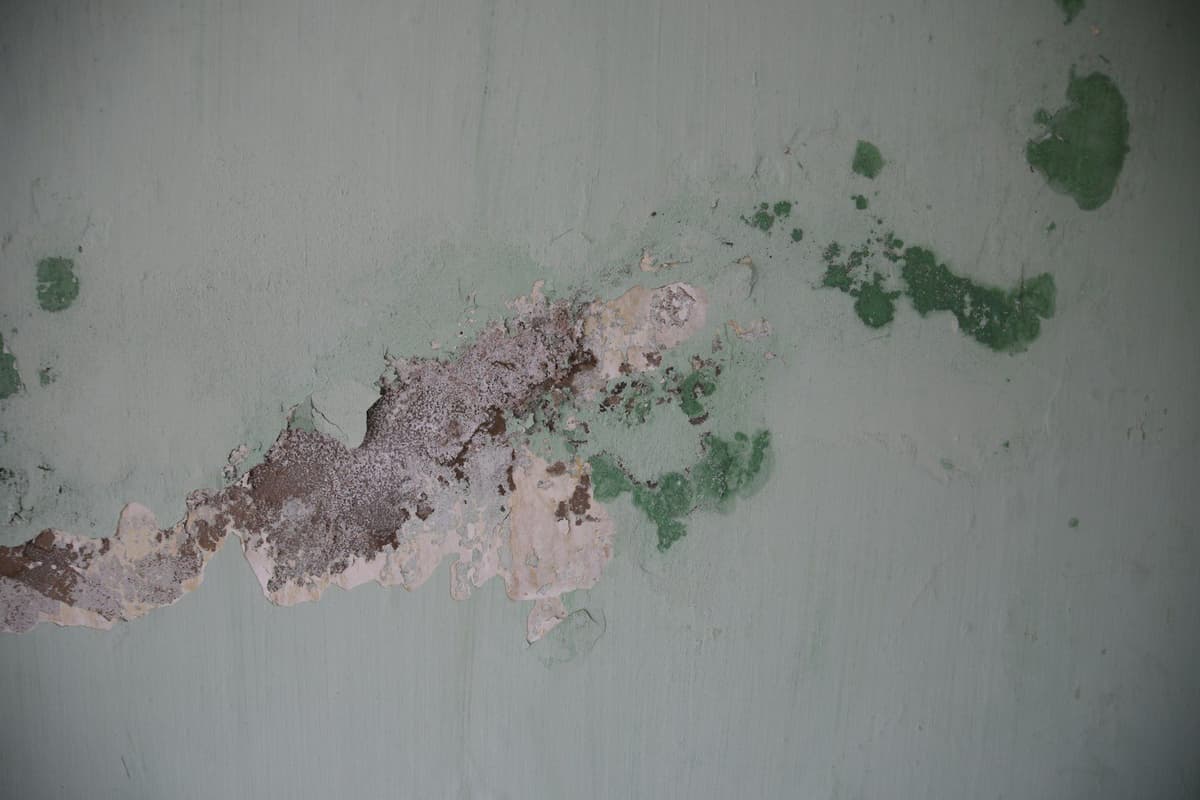
Interest in eco-friendly paints has grown steadily over recent years. These paints, also known as low-VOC (volatile organic compounds), offer a healthier and more sustainable solution compared to conventional paints, and their availability in Spain is expanding. However, not all products labelled as eco-friendly meet the same standards, and choosing the right one means understanding what lies behind each formulation.
Low-VOC paints versus natural paints: differences that matter
The term "eco-friendly paint" groups together products with very different characteristics. "Eco-friendly" paints should not be confused with "natural" paints, as the former contain small amounts of volatile organic compounds but do not certify that their components are of natural origin. Paints with the European ecolabel are the most common in conventional shops and allow up to 30 g/l of VOC, while natural paints are formulated with vegetable oils, natural resins, casein and mineral pigments, without toxic volatile organic solvents.
An important point is that natural paints do not create an impermeable layer over plaster or cement but allow wall renders to breathe. This breathability is especially relevant in older homes in cities like Madrid, Barcelona or Valencia, where wall moisture needs to escape to the outside without creating condensation. In contrast, eco-friendly water-based paints with low VOC (below 5 g/l) offer an acceptable balance between performance and reduced emissions, although their acrylic composition is not completely natural.
What eco-friendly options you can find in Spain
The Spanish market offers three main categories. First, paints with Ecolabel certification (such as some lines from Bruguer, Isaval or Titanlux), available in large supermarkets and conventional paint shops. These are suitable for interiors where low odour and reduced emissions are sought, without needing to resort to completely natural formulations. Their coverage and washability are comparable to standard paints.
Second, silicate, lime or mineral paints (clay), more difficult to find in conventional shops but accessible through specialist distributors or online stores. The latest trend is the use of mineral paints made from natural materials: lime, clay, sands and water base. They are breathable, durable and suitable for people with chemical sensitivity, although their application requires more technical care (fine sanding, compatible primer, longer drying times).
Third, completely natural paints from brands such as Auro, Alabasta Naturfarben or PNZ, distributed by Ecopinttors, Biohaus or Embarro. These are the most demanding in terms of composition (no synthetic chemical products) and are recommended when interior air quality is a priority, especially in children's bedrooms, homes of people with allergies or enclosed spaces without cross-ventilation.
When it really makes sense to invest in eco-friendly paint
With a low amount of VOC, these paints reduce the risk of allergies, dizziness or respiratory problems, and are ideal for homes where there are children, elderly people or people with chemical sensitivity. If you live in a small flat in central Seville or Malaga, with limited ventilation, a paint with VOC below 5 g/l will make a real difference in indoor air quality during the first days after painting (when emissions are at their peak).
It also makes sense to choose natural paint if you are renovating an old house with lime or plaster walls in areas like Galicia, Andalusia or Castile and Leon, where wall breathability is key to avoiding dampness from condensation. In these cases, a silicate or lime paint provides long-term durability and respects the building's structure.
On the other hand, if your budget is tight and the room has good ventilation (living room with large balcony, kitchen with extractor, bedroom with windows on two facades), a conventional quality water-based plastic paint may be sufficient. The difference in emissions dissipates quickly with air circulation, and the savings can be used to better prepare surfaces before painting (which always makes more difference to the final result).
How to verify that an eco-friendly paint is authentic
The Ecolabel is the most recognised European certification, but it does not guarantee that the paint is natural (only that it meets VOC limits and sustainable manufacturing criteria). If you are looking for a completely natural option, check that the manufacturer explicitly declares the list of ingredients (vegetable oils, natural resins, mineral pigments) and avoid products that only mention "low odour" or "low emission" without specifying numerical VOC limits.
On our platform, when a customer requests a quote and mentions a preference for eco-friendly paint, the professional can recommend specific brands depending on the type of surface and the use of each room. The choice is discussed in the online quote, so that customer and painter share the same information before starting the work. This avoids surprises when natural paint turns out to be more expensive or requires a specific primer that was not anticipated.
What to expect from price and performance
A paint with Ecolabel certification usually costs between 10% and 20% more than a standard plastic paint of the same brand. A mineral or silicate paint can double that price, but its durability is usually greater (which compensates for the initial surcharge if you do not plan to repaint in less than ten years). Completely natural paints are the most expensive, but their application is safe for the operator (no need for a mask or forced ventilation) and the space can be inhabited normally a few hours after painting.
The coverage per litre is comparable to conventional paints, but natural formulations sometimes require two full coats to achieve complete opacity, especially in light colours. If the budget includes the paint in the overall price, make sure the professional has seen the surfaces (through photos and videos or during a visit) to accurately calculate the amount of product needed.
When eco-friendly paint does not solve the underlying problem
If walls have dampness from seepage, condensation or rising damp, no paint (however eco-friendly or breathable) will solve the problem. Identifying the type of dampness before painting1 is the first step. If the diagnosis indicates that dampness treatment is needed (waterproofing, mechanical ventilation, pipe repair), applying eco-friendly paint over the problem only delays the solution.
Similarly, if the surface has visible mould, eco-friendly paint alone will not eliminate it. You need to know if your home needs anti-mould paint or dampness treatment2 before deciding which product to apply. Once the surface is treated, you can choose the most suitable eco-friendly paint without risk of the work deteriorating within a few months.

Ready to paint?
Get free quotes from verified local painters in minutes. No commitment.
Sources
External sources open in a new tab.