Hiring a professional painter can save you time, headaches, and poor finishes. But not all quotes are equal, and choosing based on price alone can end up costing more in the medium term. In this article, we look at what to check before signing, what guarantees protect you by law, and how to make sure the professional you choose delivers what's expected.
Always ask for a detailed quote in writing
Although it may seem obvious, many homeowners accept verbal or overly generic quotes. A serious quote should include several key elements: full identification of the professional or company (with tax number), a detailed description of the work to be carried out, the estimated timeframe, and the agreed payment terms.
Based on up-to-date industry figures, rates for a self-employed painter range between 15 and 25 euros per hour, depending on the region and the difficulty of the job. In large cities, it's common to be closer to 20 or 25 euros per hour, while in rural areas or longer jobs it may be around 15 to 18 euros. For a full 8-hour day, the cost is usually between 120 and 200 euros.
Avoid unusually low quotes without justification. They often point to the use of low-quality materials or lack of experience. But a high price doesn't always guarantee a good result either, which is why it's essential to compare at least three different quotes before deciding.
Check experience and references
Hiring someone just because they charge little can end up costing more if the job is done poorly. Look for real references: ask people you know, check online reviews or specialised platforms, and request photos of previous work. A painter with a track record won't have any trouble showing you examples of their work.
It's also important to check that the professional is registered as self-employed, or that the company is properly registered. Hiring someone without proper documentation might save you VAT, but it exposes you to fines and leaves you with no legal guarantee if something goes wrong. On our platform, this is one of the steps we take care of for you: we always check whether the professional is properly registered to work as self-employed, or has a company set up, before presenting them as an option.
Know your legal guarantees: what the law covers, and for how long
Consumers who hire painting and renovation work are protected by law. Under construction regulations and civil law, there are several guarantee periods you should know about.
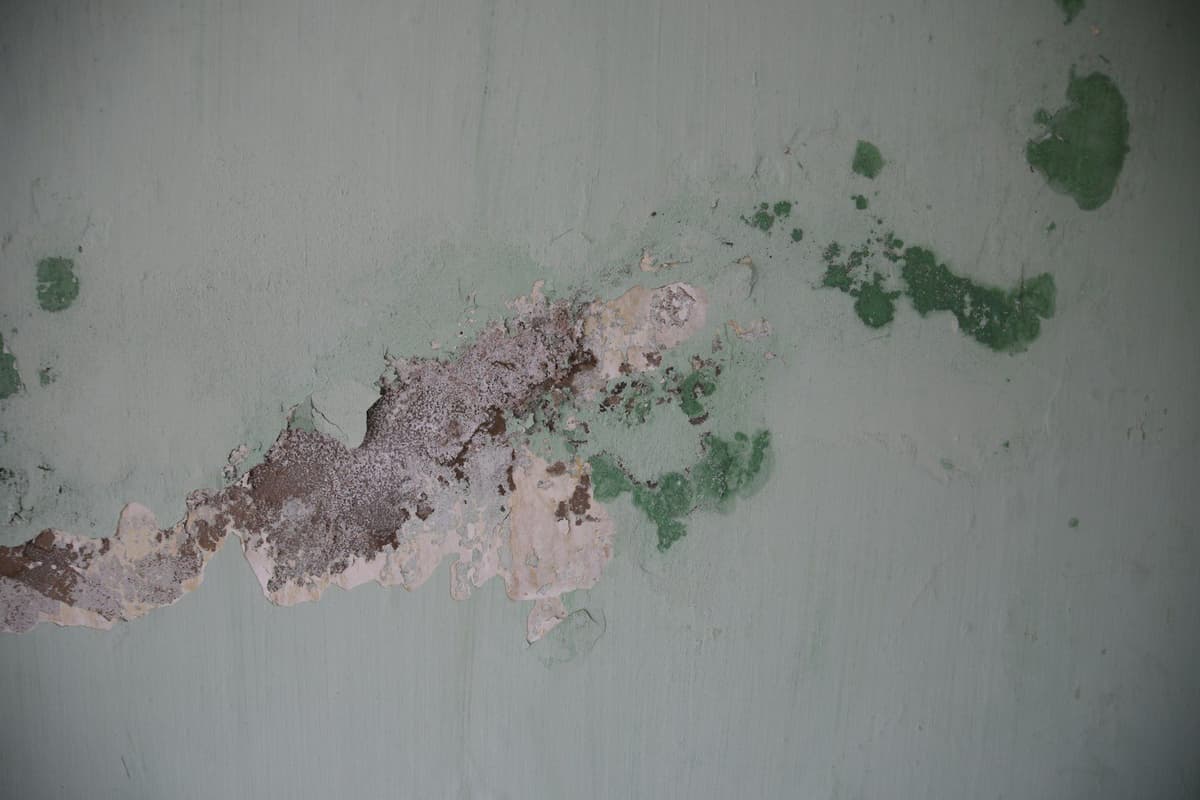
For defects in finishes (such as peeling paint, stains, or poor application), the claim period is one year from completion of the work. This period is also covered by consumer protection legislation, which additionally sets a six-month period to claim for hidden defects in the service provided.
For these guarantees to be effective, it's essential to have a legal invoice. It should include full tax details (tax number), a detailed description of the work carried out, the net price and VAT itemised separately, the signature of the self-employed professional or the company stamp, and the guarantee period (which can also appear on the signed quote).
New materials used by the painter usually carry a two-year guarantee under consumer regulations. If the professional uses products from recognised manufacturers, some offer guarantees of up to 5 or 15 years on premium paints.
Clarify the practical details before starting
Before the painter starts, agree in writing on how the process will work: which days they'll work, how many hours per day, whether it includes surface preparation (sanding, filling cracks, priming), whether they'll take care of protecting furniture and floors, and who will do the final cleanup.
Many disputes arise because these details weren't made clear from the start. For example, if the walls need repair before painting, that work should appear in the quote. The same applies to colour testing: some people need to see several dry samples before deciding, and that time should also be factored in.
It's also advisable to set a reasonable payment schedule. It's common to pay a deposit of 30 to 40 percent upfront (to cover travel and materials) and the rest upon completion. Never pay the full amount in advance.
Finally, make sure the quote reflects the correct VAT rate. For renovations on permanent homes over two years old, VAT is 10 percent. In other cases, the general rate of 21 percent applies. This detail should be clear in the document.
Hiring a professional painter is an investment that pays off when done properly. Reviewing the quote carefully, checking references, making sure everything is in writing, and knowing your rights will help you avoid problems and enjoy a durable, well-executed finish.

Ready to paint?
Get free quotes from verified local painters in minutes. No commitment.