Choosing the paint colour is only part of the project. The finish you select (matte, satin or semi-gloss) determines how light reflects, how the colour is perceived and, above all, how well it will hold up over time in each room. A bright living room does not have the same needs as a bathroom with condensation or a children's room where walls end up marked. In this article we review the most common finishes and give you practical guidance to choose the right one for each space in your home.
What sets each finish apart
Paint finish refers to the degree of shine or light reflection the paint displays once dry. The three most common finishes in homes are matte, satin and semi-gloss, although variants like ultra-matte or high-gloss also exist.
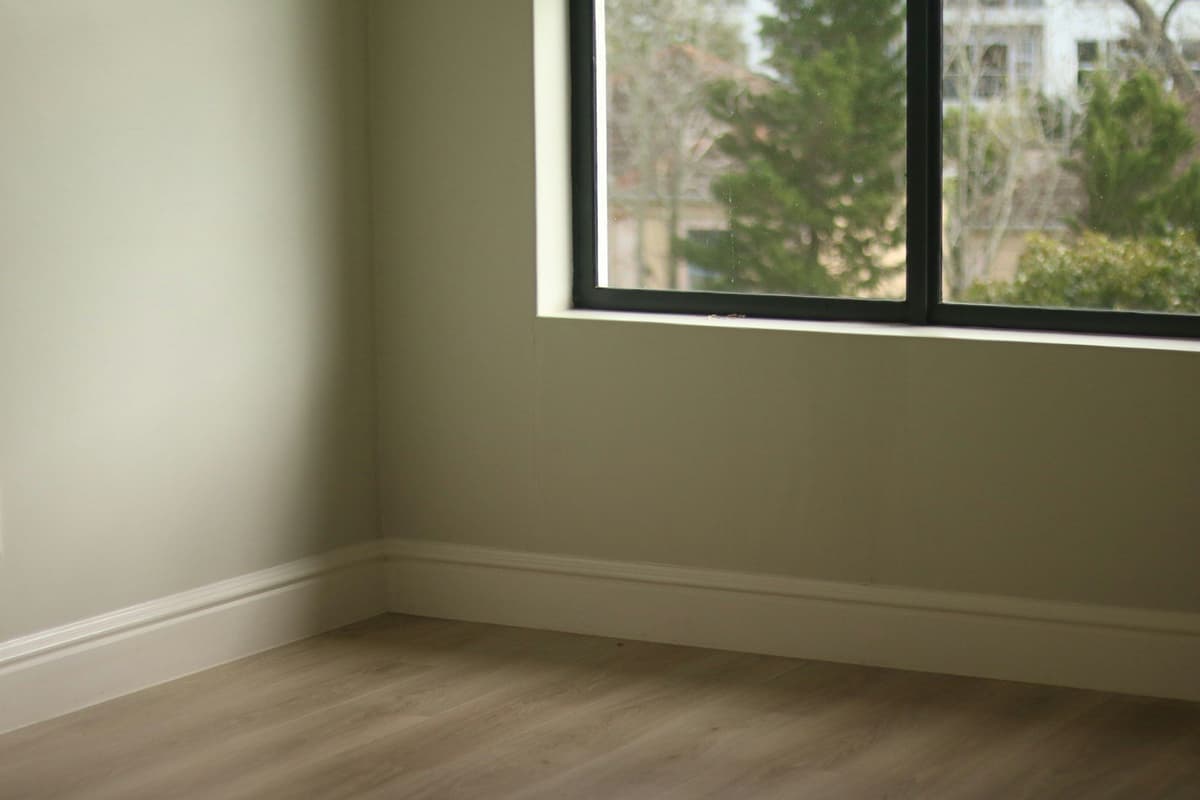
Matte finish does not reflect light. Its appearance is opaque and velvety, which helps hide small imperfections on walls, fine cracks or irregularities in the plaster. It is the finish that best conceals roller marks or application marks. However, its washability is more limited than other finishes, especially with mid-range or budget paints.
Satin finish has a slight silky shine, without being reflective. It is more resistant to cleaning than matte and dirt particles adhere less to the surface. It works well in daily-use spaces where frequent cleaning is needed. The downside is that it can highlight imperfections if walls are not well levelled, especially when they receive direct side light.
Semi-gloss finish reflects light clearly and cleans very easily. It is used mainly on woodwork, doors, frames, skirting boards or on walls in areas highly exposed to splashes and moisture, such as small bathrooms or kitchens. Its shine is visible and can be too prominent on large wall areas if that decorative effect is not intended.
How to choose based on each room's use
Each space has a pattern of use, a level of exposure to dirt and light and humidity conditions that determine which finish will work best.
Living room and dining room
These are daily living spaces with moderate traffic. If the walls are in good condition and light enters evenly, matte finish brings a contemporary and elegant look. Intense or trend colours, such as sage greens, powdered blues or soft terracottas that have dominated 2026 palettes, gain depth with matte.
If the living room receives side light from a balcony or large window and the walls have minor irregularities, matte is safer than satin, because the latter can expose each imperfection with the reflection. In smaller homes where the living room is compact and you want to maximise natural light, a soft satin can help bounce light and create a sense of space, as long as the surface is well prepared.
Bedrooms
Bedrooms are rest spaces where a serene atmosphere is desired. Matte finish is the most common choice because it creates a calm mood, free from distracting reflections. Warm tones such as golden beige, off-white or powdered pink, very common in current trends, work especially well in matte.
In children's or teenage bedrooms, where walls may suffer scuffs, stains or handprints, satin offers better resistance and makes cleaning easier without compromising aesthetics too much. If you use an intense colour on an accent wall (for example, a deep blue or soft peach), matte will make the colour look richer and less reflective.
Kitchen
The kitchen is exposed to airborne grease, steam, splashes and frequent cleaning. Here function outweighs pure aesthetics. Satin finish is the most balanced option: it allows cleaning with a damp cloth without dragging the colour and resists daily use better than matte.
If the area near the cooker is not protected with tiles up to the ceiling, it is worth reinforcing that area with a high-traffic washable paint, preferably in satin. Warm neutral colours (creams, beiges, soft greys) are more practical than pure whites because they better hide small daily marks.
In kitchens open to the living room, where the painted wall is visible from the sitting area, you can choose a discreet satin that visually unifies both spaces without jarring finish transitions.
Bathroom
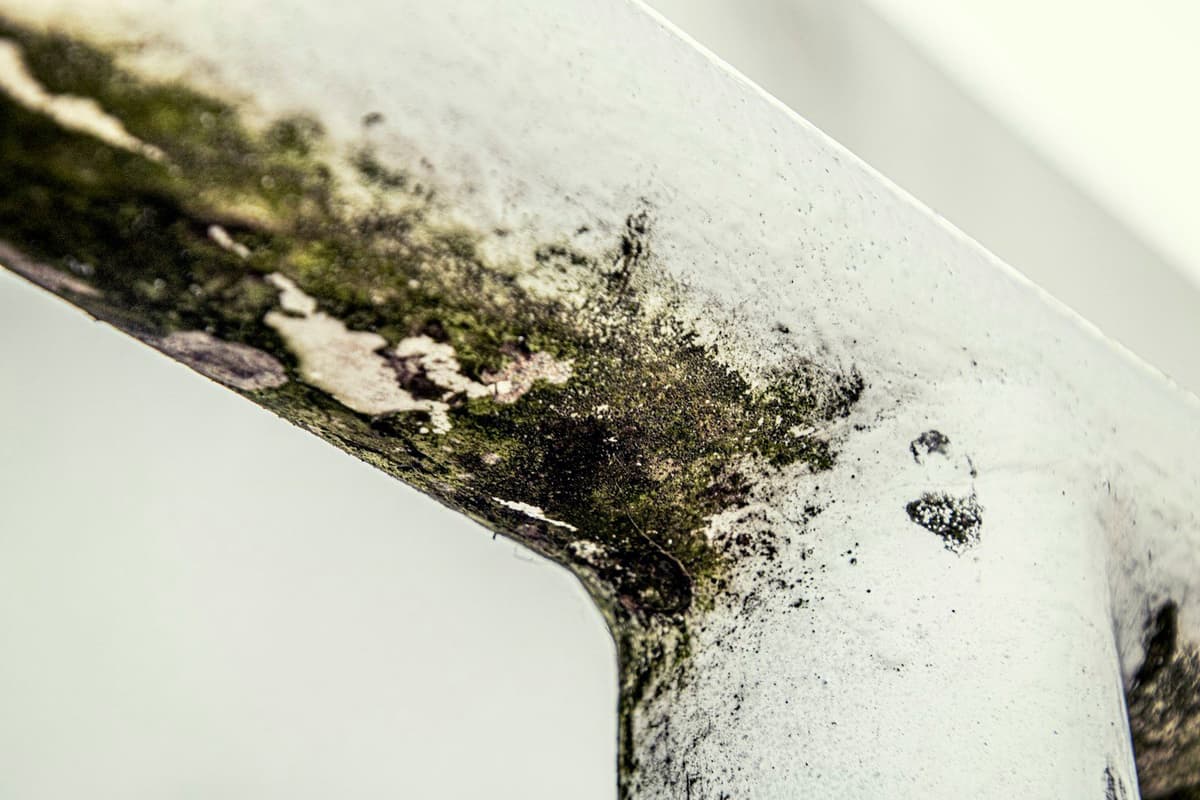
The bathroom is the space most exposed to humidity and condensation. While finish matters, what really makes the difference is having paint formulated specifically for humid environments, with anti-mould additives.
Satin or semi-gloss are more suitable than matte because they seal the wall surface better and make it harder for moisture to penetrate. Plus they clean easily. In bathrooms without a window or with poor ventilation, it is essential to choose quality paint that resists condensation, regardless of finish.
If the bathroom is spacious and has good ventilation, you can afford a soft satin in tones like misty blue, pale green or warm white. In small bathrooms with little natural light, light tones in satin help reflect artificial light and create a sense of greater space.
Hallways and entrance
These are high-traffic areas with scuffs from bags, suitcases, rucksacks or trolleys. Here resistance to wear is key. Satin is more practical than matte because it withstands scuffs better and can be cleaned without leaving marks.
Hallways usually have little natural light, so it is wise to use light colours that add brightness. A warm beige, soft grey or off-white in satin work well. If the hallway is very narrow, avoid very glossy finishes in dark tones, as they can make the space feel more enclosed.
Practical tips before you decide
Before buying paint, it is worth considering some details that can prevent disappointment:
- Ask for samples and test on the wall. Paint a rectangle of at least 50x50 cm and observe it at different times of day (morning, afternoon, evening) and with artificial light on. The same colour can look very different depending on the finish and lighting.
- Assess wall condition. If there are fine cracks, small irregularities or areas patched with filler, matte hides them better. If the wall is perfectly smooth and well primed, satin will not cause problems.
- Consider how easy touch-ups are. Matte is easier to touch up without the repainted areas showing. Satin can leave marks or shine differences if only a small area is touched up.
- Match finishes in open spaces. If your home has a living-dining-kitchen area in one open plan, using the same finish in all three zones helps the space look more continuous and coherent.
When it is worth investing in quality paint
High-range paints usually offer more stable finishes, better coverage and greater resistance to washing, even in matte. Specialist brands formulate washable matte paints that combine matte aesthetics with satin resistance, something especially useful in living rooms, dining rooms or children's rooms.
If you are painting in trend colours (sage greens, deep blues, terracottas, golden beiges), investing in quality paint ensures the colour looks richer and the finish lasts longer without losing intensity. In spaces like the bathroom or kitchen, where paint works under demanding conditions, a good paint specific to those areas can save you from repainting in a few years.
If you request a quote to paint your home, the painter can recommend brands and finishes based on your wall condition and how each room is used. Our platform always asks for photos and videos of surfaces before finalising the quote, precisely to avoid surprises and adjust both the type of paint and the preparation needed. This way you will know from the start which finish will work best in each space and what the final result will be.

Ready to paint?
Get free quotes from verified local painters in minutes. No commitment.