Climate is increasingly demanding on facades. Summers are hotter, with temperatures regularly exceeding 35°C across many regions, and winters bring unexpected frosts even in traditionally mild areas. These temperature extremes, combined with prolonged exposure to ultraviolet radiation, winter humidity and urban pollution, test any exterior coating.
If you've just painted your facade or are thinking about doing so, understanding how climate affects paint durability will help you make better decisions, both in choosing the right product and in planning maintenance.
Why climate determines how long exterior paint lasts
Facade paint is more than decoration: it's a protective layer that must withstand extreme summer heat, torrential autumn rains, occasional winter frosts and, in many coastal or northern areas, constant humidity. Each of these factors affects the paint film differently.
Ultraviolet solar radiation breaks down the pigments and polymers in paint, causing discoloration and loss of adhesion. In regions where UV index reaches extreme values during summer, this process accelerates noticeably. Facades facing south or west, which receive direct sun for more hours each day, deteriorate faster than those facing north.
Abrupt temperature swings also play a key role. When a wall surface exceeds 35°C during the day and drops sharply at night, the paint expands and contracts repeatedly, creating microcracks that eventually become visible fissures. Areas with hot, dry summers and cold winters experience this continuous thermal stress acutely.
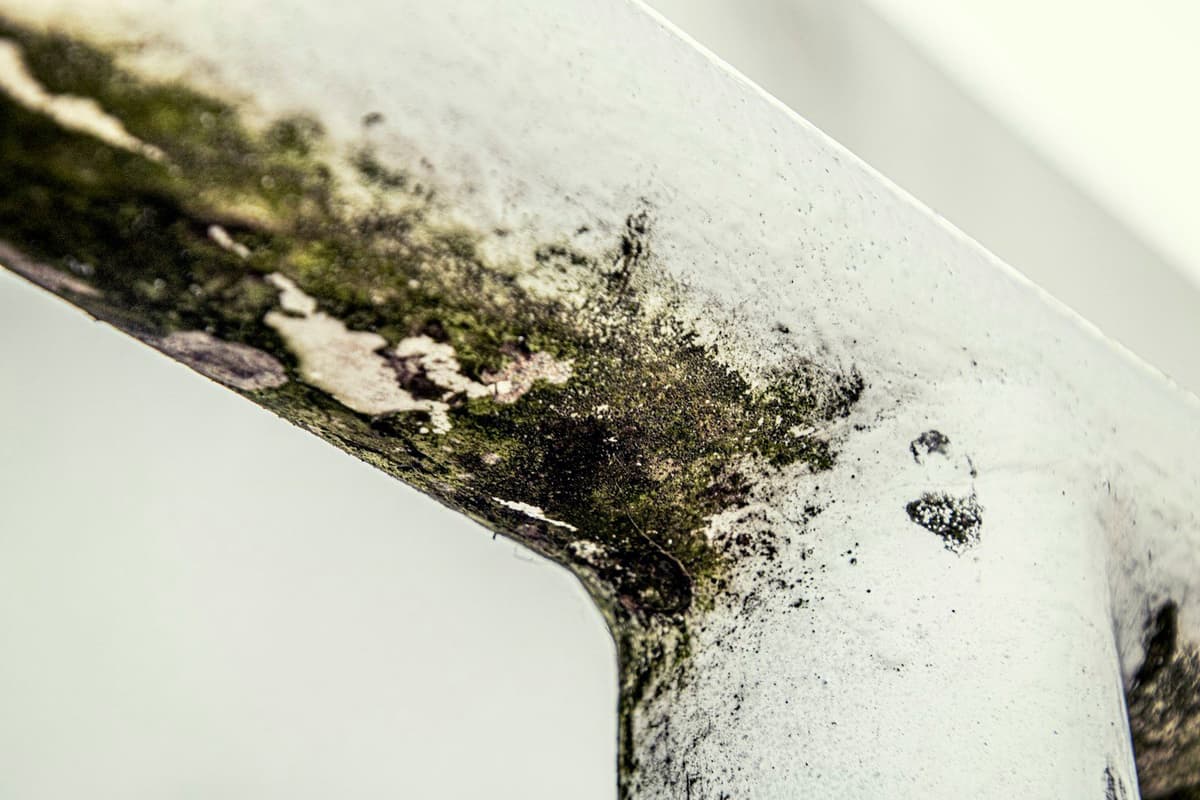
Humidity works in two ways. On one hand, constant rain or morning dew in northern regions can prevent paint from drying properly if applied under unsuitable conditions. On the other, high ambient humidity encourages mould, algae and salt efflorescence, especially on north-facing walls or shaded areas.
How to choose and apply paint for your climate zone
Not all exterior paints perform the same way. Manufacturers design specific formulations to resist particular conditions, and choosing the right one can extend the coating's lifespan by several years.
In dry climates with intense sun, such as inland areas, it's essential to choose paints with UV filters and stable pigments that won't yellow or fade. Quality medium to high acrylic paints, with reinforced resins, typically offer good value for durability.
In regions with high rainfall and constant humidity, waterproof and breathable paints are the best option. These products repel surface water but allow the wall to "breathe," preventing moisture from becoming trapped under the paint layer and causing peeling or mould stains.
Coastal areas, beyond humidity and salinity, must contend with corrosion from salt-laden air. Here it's wise to invest in paints specifically formulated for marine environments, which incorporate anti-mould additives and greater resistance to oxidation.
The timing of application also affects the final result. Ideal environmental conditions for painting a facade are temperatures between 10°C and 30°C, relative humidity below 75% and no rain for at least 24-48 hours before and after application. In most regions, this translates to spring and early autumn. Summer months, though seemingly dry and stable, create wall surface temperatures that can exceed 40°C, causing paint to dry too quickly, lose adhesion and develop bubbles or crazing.
The importance of proper surface preparation
Even the best paint fails if the surface isn't properly prepared. Thoroughly cleaning the facade, removing loose paint, repairing cracks, treating moisture or mould stains and applying suitable primer are steps that make the difference between work lasting 8-10 years and work that begins to fail within 2-3 years.
On heavily deteriorated surfaces or those with recurring moisture problems, it's essential to identify and resolve the underlying cause before painting. Otherwise, the new paint layer will only temporarily hide the problem, which will reappear within weeks.
Our platform always requests photos and videos of surfaces before finalising any quote, precisely to anticipate this type of situation and avoid surprises during the job. Two facades with the same surface area can be in very different condition, and the final price depends heavily on the preparation required.
Maintenance: the key to extending paint life
Once paint is applied, regular maintenance can double its durability. Inspecting the facade at least once a year allows you to spot small problems before they become costly issues: an incipient crack, a moisture stain, algae residue in shaded areas.
Periodic cleaning helps too. In urban areas, pollution and dust accumulate on the surface and accelerate paint deterioration. Gentle cleaning with moderate water pressure (never excessive, to avoid damaging the coating) every year or two can significantly delay the need to repaint.
North-facing facades, which receive less sun and more humidity, need special attention. Mould and algae stains often appear in these areas, especially in buildings with inner courtyards or narrow streets. Treating these stains promptly with suitable products prevents moisture from penetrating the substrate and causing peeling.
Repainting frequency depends on the paint type, facade orientation and local climate conditions. With quality product and correct application, most areas allow 8 to 15 years before a complete renovation is needed. Facades with direct sun and good ventilation typically last longer than those facing north or situated in damp, shaded areas.
What to do if your facade already shows signs of wear
If your facade paint is flaking, losing colour or showing moisture stains, acting quickly is the best strategy. Waiting for problems to worsen only increases the cost of fixing them.
Before requesting quotes, it's worth taking detailed photos of affected areas and, if possible, a short video showing the overall condition. This information allows the professional to assess the scope of work with accuracy: whether a cleaning and localised repainting is enough, or whether substrate repair, moisture treatment or sealer primer application is needed.
On our platform, the payment model is transparent: 50% upfront (to secure the date and purchase materials) and 50% at the end, once work is verified. This system protects both client and professional and ensures both parties fulfil their commitments.
Additionally, all tradespeople we present are properly registered as self-employed or established companies. We verify this before offering them as an option, so you don't need to worry about the legality of the service you contract.

Ready to paint?
Get free quotes from verified local painters in minutes. No commitment.