Choosing your facade color is one of those decisions that shapes a home's character for years to come. In 2026, preferences have shifted toward warmer, more natural palettes that connect with the Mediterranean landscape.
If you're thinking about painting the exterior of your home, now is a good time to explore the color trends that are gaining momentum and that work perfectly with natural light and climate conditions.
The colors that are replacing pure white
For years, pristine white has been the safe choice for many facades. But in 2026, warm whites are taking over: ivory, chalk tones, light sand. These shades remain luminous but with a softer, less cold undertone. This shift isn't random. Warm whites reflect natural light better, create a welcoming effect, and age more gracefully.
Alongside them, earthy tones are becoming a serious choice. We're talking ochres, soft terracotta, beige sand, even muted olive greens. These aren't loud colors, but rather tones that dialogue with nature and work beautifully in both rural and urban settings.
This change stems from a search for authenticity. Many people now prefer an aesthetic that doesn't look factory-fresh, but instead breathes warmth, tradition, and harmony with the landscape.
What to consider before choosing a color
Before buying paint, it's worth evaluating some practical aspects. First: your facade's orientation. A wall that gets direct sun all day can handle slightly darker tones, while a shaded area will benefit from lighter colors for better luminosity.
Your surroundings matter too. If you live in a development with aesthetic guidelines, there may be color restrictions. Though these are increasingly flexible, it's always better to check beforehand. And if your home is in a historic district or protected area, review local regulations before starting.
Another important point: paint quality. It's not just about color. Exterior-specific paint that's UV-resistant and breathable will save you headaches down the road. In climates with extreme temperatures, this detail makes the difference between a facade that holds up well and one that starts peeling within a year.
Finally, think about how the color relates to other elements: windows, doors, baseboards, shutters. A color might look stunning in the sample, but clash completely if it doesn't harmonize with everything else.
How to properly prepare the exterior surface
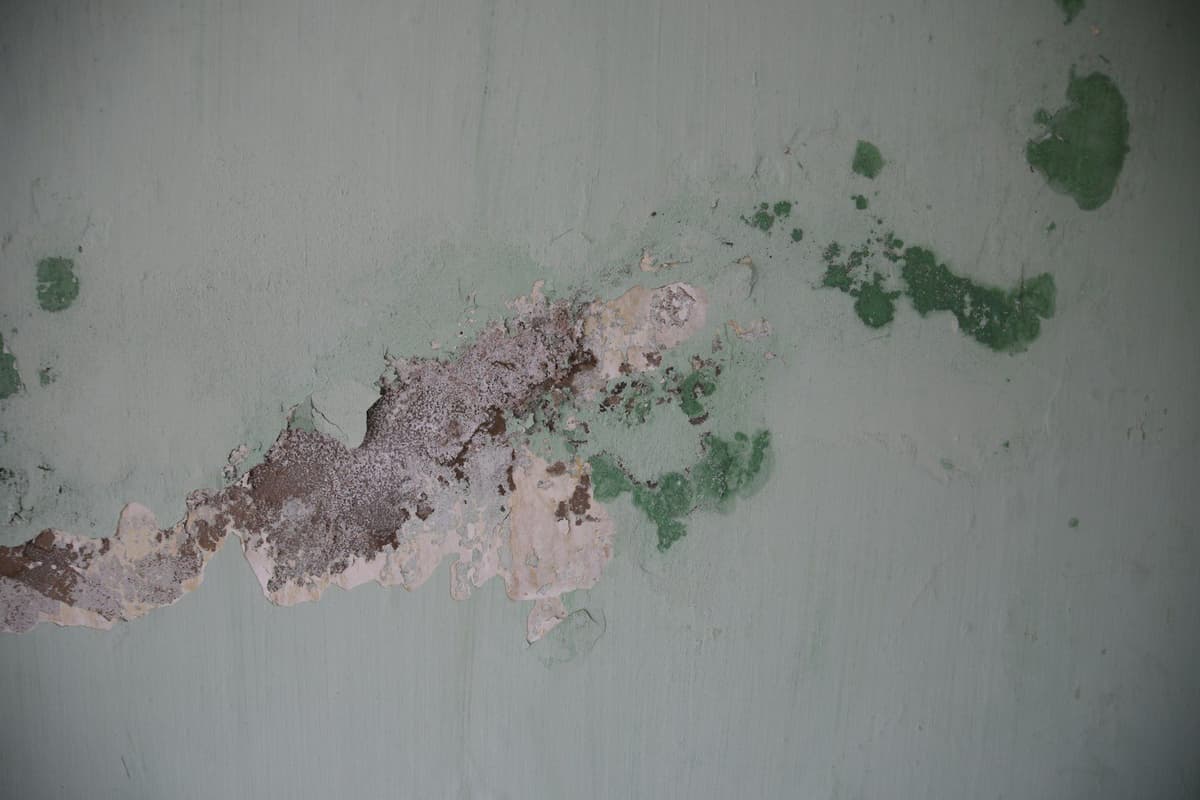
Preparation is more critical than the color itself. A poorly prepared facade will cause problems even with the best paint on the market. Always start by cleaning thoroughly: remove dust, loose old paint, mold, and visible moisture.
If there are cracks or damage, fill them with appropriate exterior filler. Let it dry well and sand to level the surface. On facades with mold or stubborn stains, you may need anti-mold treatment before priming.
Priming is a step many skip, but it's really worthwhile. It improves paint adhesion, seals the surface, and helps ensure uniform final color. On porous or damaged surfaces, this step can save you from needing a third coat of paint.
If your facade has areas with active moisture, don't paint over them without solving the underlying problem first. Paint may temporarily hide it, but water will return.
How to apply exterior paint without mistakes
Application technique varies depending on paint type and wall condition. Generally, a long-nap roller works best for large surfaces, with a brush for corners, frames, and details. For very extensive facades, a sprayer can be faster, though it takes some practice.
Always apply at least two coats. The first is usually more uneven and seals the surface. The second provides color and uniform finish. Wait for the drying time specified by the manufacturer between coats, don't rush it.
Avoid painting on very hot days, strong wind, or when rain is forecast. Ideal conditions are temperatures between 50 and 77 degrees Fahrenheit, without direct sun on the area you're painting. If it's too hot, paint dries too quickly and brush marks can appear.
Always work in complete sections (an entire wall, for example) to avoid visible seams. And if you need to stop mid wall, do it at a corner or plane change, never in the middle.
Approximate costs and when to hire a professional
Painting a complete facade typically costs between 13 and 38 dollars per square meter, depending on location, wall condition, and paint type. These prices usually include labor, basic materials, and often the scaffolding or elevated platform if needed.
The decision to DIY or hire professionals depends on height, access, and your experience. A single-story job without complications is perfectly doable if you have time and patience. But from two stories up, or if there are hard-to-reach areas, it's worth hiring professionals for safety and quality results.
Ready to paint?
Get free quotes from verified local painters in minutes. No commitment.