Autumn is when many façades start to show the first signs of wear accumulated over the summer: fine cracks opening in the sun, damp patches reappearing, or paint beginning to flake. Checking your façade before the heaviest rains arrive lets you get ahead of problems that, if ignored, end up costing far more to fix.
Why it pays to check your façade before the rains
Autumn brings more moisture to much of the country
Spain's State Meteorological Agency predicts that the October to December 2026 quarter will see above-average temperatures, and in the north and east of the peninsula and the Balearic Islands there is a 40% probability that autumn will be wetter than usual. In the northwestern peninsula that probability rises even higher, with a 70% chance the quarter will be wetter than normal. This means façades in cities like Bilbao, A Coruña or Santander will probably receive more water than usual over the next few weeks, just when they need to be in good condition.
A neglected façade costs more in the long run
Small defects don't stay put. A crack that looks cosmetic today can become a water entry point during winter. As building maintenance specialists point out, the façade acts as a barrier against rain, cold, solar radiation and pollution, so spotting cracks, damp or spalling early avoids interventions with very high economic costs later1. Preventive maintenance, checking before damage is visible, usually works out cheaper than corrective repairs.
Warning signs worth checking in autumn
Before the wettest months arrive, it is worth walking around the building (or detached house, if it is a single-family home) and paying attention to these points:
- Fine cracks around windows and balconies. These usually appear from thermal expansion after summer and are the usual entry point for water.
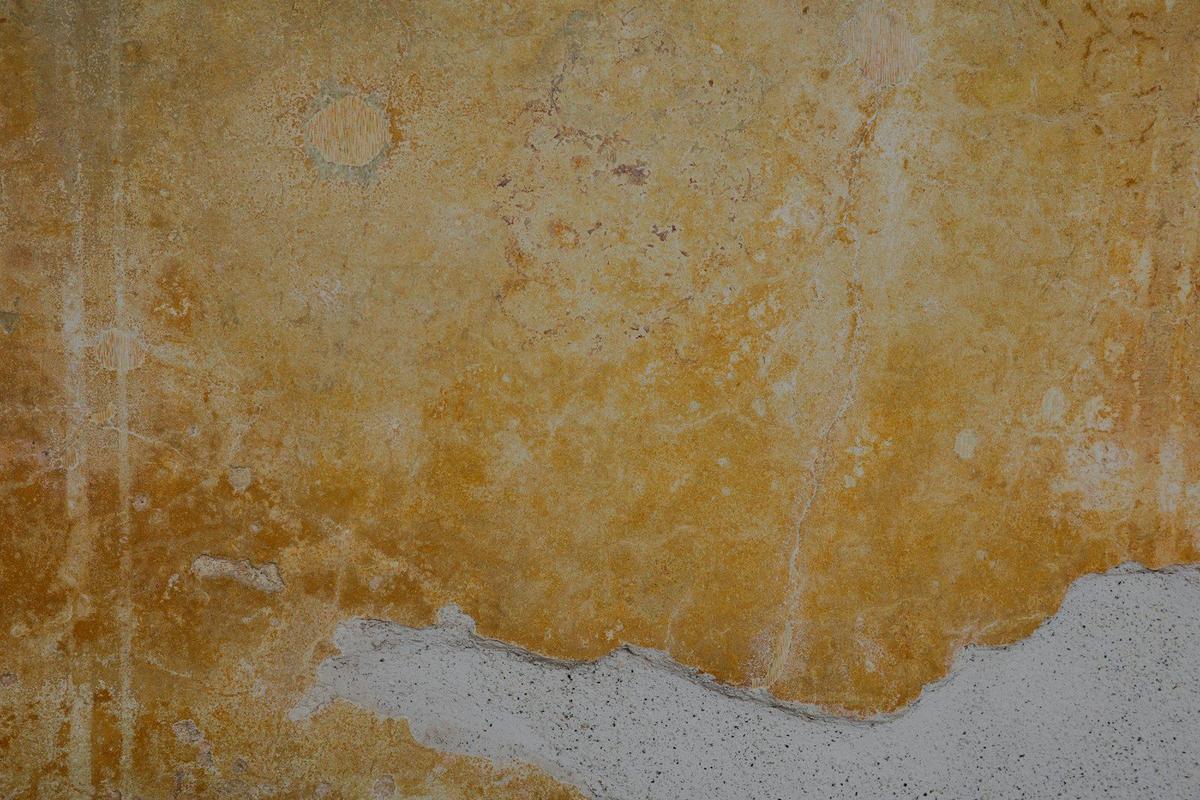
- Whitish patches (efflorescence). These are salt deposits that indicate water has moved within the material; it is worth watching if they reappear after each rainfall.
- Paint flaking or bubbling, especially in areas most exposed to direct rain.
- Areas with mould or algae, common on north-facing façades or those with poor ventilation.
- Gutters and downpipes blocked by leaves, causing water to overflow and run down the façade instead of draining properly.
Why white patches (efflorescence) appear
These patches are not just a cosmetic problem. As experts explain, white patches can be accompanied by slight erosion, flaking or spalling of layers, being the most damaging and destructive type for the building2. If they reappear repeatedly in the same spot after each rainfall, it usually signals there is active damp behind the coating, and it is worth treating it before repainting, not after.
Spalling: also a safety matter
In multi-storey buildings, spalling of paint or small fragments of coating is not just cosmetic: it can pose a risk to pedestrians. That is why in housing communities it is worth including façade inspection in the maintenance schedule, especially before the windiest and wettest seasons.
What type of work each case needs
Not all façades need the same thing. Before deciding whether cleaning, spot repainting or a more thorough intervention is enough, it helps to understand the differences:
| Façade condition | Recommended work | Ideal timing |
|---|---|---|
| Good general state, just dirt or slight discolouration | Cleaning and maintenance repainting | Before heavy rains start |
| Localised fine cracks | Crack sealing + priming + painting | On dry days, before cold weather |
| Recurring damp patches | Identify the source (infiltration, rising damp, condensation) before painting | As soon as possible, to prevent worsening in winter |
| Paint or material spalling | More thorough inspection, possible professional intervention | Urgent, do not delay |
In cases of persistent damp, repainting without solving the cause usually means spending money again in a few months. For particular façades, façade painting3 and exterior painting4 services often include this initial diagnostic phase before applying any product.
How to prepare the inspection and get a quote with confidence
What information to gather before asking for a quote
For a professional to make a useful assessment, it helps to arrive with some information already gathered:
- Photos of areas with cracks, patches or spalling, taken in good light.
- A short video walking around the entire façade, including corners and areas under balconies.
- Approximate age of the last façade painting or renovation.
- Building orientation (north, south, nearness to the sea), as this affects the type of paint recommended.
Why the price per m² is always indicative
When you request a quote calculated per square metre, that figure is always an initial reference, never a fixed amount. Two façades with the same area can be in very different conditions: one with deep cracks and degraded plasterwork, another in practically good shape. The final price can only be confirmed after someone has seen the actual state of the surface, whether through photos and videos or an on-site visit; both options work equally well. That is why our platform always requests photos and videos of the façade before closing any quote, precisely to avoid surprises halfway through the work.
What gets put in writing when work is agreed
Once the professional has seen the façade condition and the scope of work is defined (which areas to repair, what type of paint to use, whether damp-proof treatment is included), it is important that this agreement is recorded clearly. On our platform, all job details are online: the client, the professional and the platform can check the agreed scope in writing at any time, without depending on a loose note or a conversation that gets lost.
Next step: book a date before the weather gets worse
If the visual inspection has spotted any of the warning signs mentioned (cracks, recurring patches, flaking paint), the most practical thing is not to leave it until spring. Windows of dry days shrink as autumn advances, and working on a façade already wet or with night frosts makes the application and drying of any product more difficult. Gathering photos, getting an assessment and booking a date while there are still stretches of stable weather is, in practice, the difference between a simple job and a major repair in the depths of winter.
When comparing professionals, it is also worth checking that they are properly registered as self-employed or that the company is properly set up. On our platform that verification is already done for you: we always confirm the professional is registered to operate, or that the company is established, before presenting them as an option.
Frequently Asked Questions
The usual practice is to do a visual inspection once or twice a year, ideally before autumn and after winter, to spot cracks, damp or spalling before they get worse.
It is not ideal. Paint needs a dry surface and moderate temperatures to adhere properly, so it is best to make the most of dry spells and avoid applying product just before a period of continuous rain.
Some surface efflorescence fades over time and with cleaning, but if they reappear consistently they usually indicate active damp behind the coating, and it is worth identifying the source before repainting.
Yes, it is worth protecting windows, awnings, light fittings or nearby decorative elements, and warning neighbours if work is being done from scaffolding or an elevated platform, especially in multi-storey buildings.
With the passage of rains and temperature changes, a small crack tends to widen and let water through into the interior of the wall, which can lead to damp patches or more costly repairs.

Ready to paint?
Get free quotes from verified local painters in minutes. No commitment.
Sources
External sources open in a new tab.
- Mantenimiento de Fachadas en Madrid y Valladolidcrolec.es
- ¿Qué debemos saber sobre las eflorescencias de fachada?fotocasa.es
- Pintura de Fachadasmyfixio.es
- Pintura Exteriormyfixio.es