When you think about painting your home, the first question is almost always the same: how much will it cost? But behind the figure a professional gives you lies a lot of detail that determines whether you'll pay 600 euros or more than 2,000. Understanding what moves the price lets you request a more accurate quote, compare offers objectively, and most importantly, avoid nasty surprises midway through the work.
Why the size of your home doesn't explain everything
Square metres is the figure everyone looks at first, but it doesn't work as linearly as it seems. A 100 m² flat doesn't cost twice as much as a 50 m² one because there are fixed costs (travel, floor protection, materials) that spread across the entire surface. The bigger the flat, the cheaper the cost per square metre tends to be.
Moreover, quotes are calculated on paintable surface (walls and ceilings), not floor area. An 80 m² flat actually has between 250 and 320 m² of walls and ceilings to paint, depending on height and layout. That's the figure the painter uses for their calculations, and it's important to understand it to avoid confusion when comparing offers.
Layout also matters: a flat with many small rooms has more corners, door frames and perimeters, which slows work down and can raise the per-square-metre rate compared to an open-plan flat of the same size.
Wall condition: the factor that costs most (and is least anticipated)
This is where most surprises occur. Two flats of the same size can have quotes differing by more than 50 percent simply because of wall condition. Walls with cracks, damp, textured finishes or flaking paint require prep work (filling, sanding, priming), and each step adds 3 to 6 euros per square metre before applying even the first coat of paint.
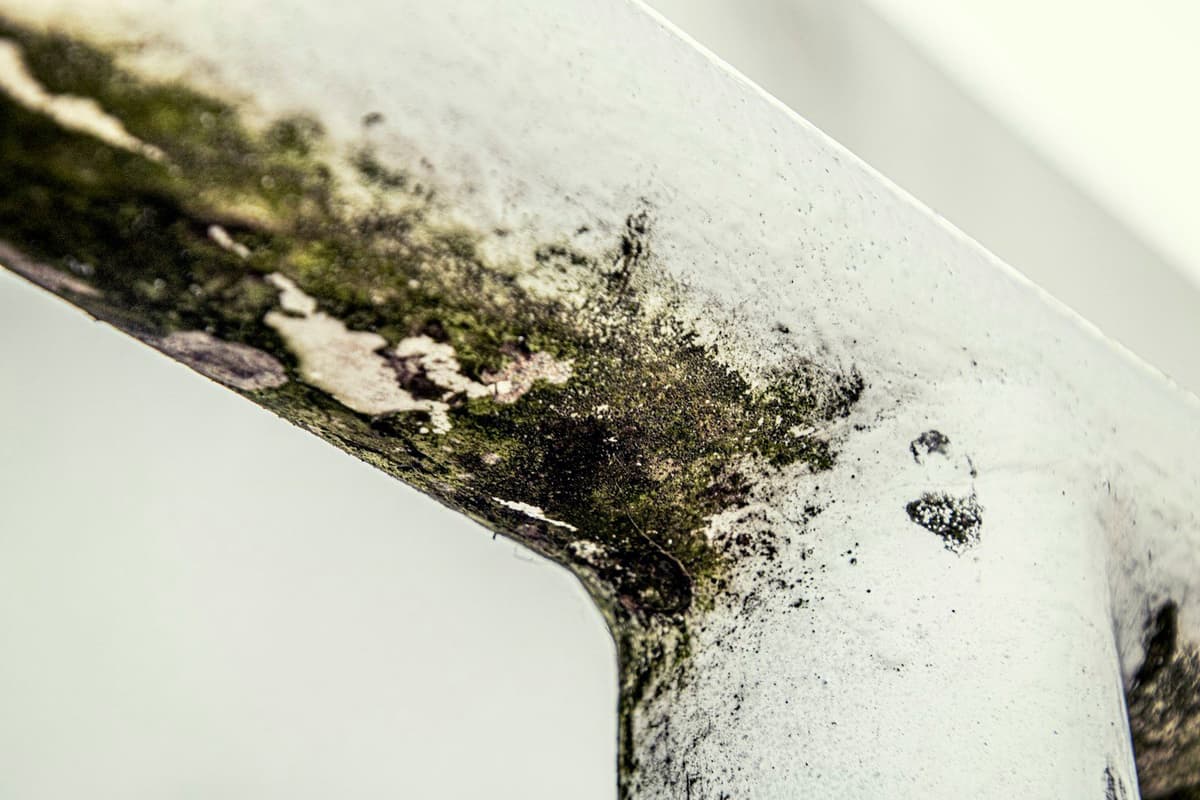
Damp, especially, can multiply costs. If stains reappear, the wall must first be treated with anti-mould products or specific sealers. That step often doesn't show up in an initial quote made without a visit, because the professional can't foresee how serious the problem is.
Another little-known detail: not all walls absorb the same way. A porous or poorly sealed wall may need an extra priming coat or consume more litres of paint than expected. That's why many professionals recommend a 10 to 15 percent buffer on the budget for unexpected costs. It's a realistic safeguard, not an attempt to inflate the figure.
Basic paint versus quality paint: differences you notice (and that last)
Not all white paint is the same. Basic plastic paint at 20 euros a tin (15 litres) might seem enough, but mid-range paint (40 to 60 euros) offers better coverage (fewer coats needed), cleans without marking and lasts twice as long without fading. On an 80 m² flat, the total cost difference between basic and mid-range paint is around 150 to 300 euros, but the final result can justify the investment.
Dark or intense colours also raise the budget by up to 20 or 30 percent, because they need more coats to achieve an even finish and properly cover the previous colour. If the previous wall was a strong tone, you may need to apply a sealer coat or primer first, which adds material and labour hours.
Special finishes (washable, stain-resistant, satin, pearlescent effect) cost more, but in high-traffic areas (hallways, kitchens, bathrooms) or homes with young children, they often pay for themselves because they resist wear and frequent cleaning better.
Ceilings, furniture and rush jobs: the extras that add up quietly
Painting ceilings costs 20 to 40 percent more per square metre than painting walls. The position is uncomfortable, paint consumption is higher (because it drips) and the finish requires more care to avoid marks. Many quotes separate walls and ceilings precisely for this reason.
If the home is furnished, moving and protecting furniture takes time, and that time is charged. An empty or semi-empty flat always costs less than a full one. In cities like Madrid, Barcelona or Bilbao, labour is also more expensive (15 to 20 percent more) than in smaller towns or rural areas, simply because of living costs and demand for skilled professionals.
Rush jobs or out-of-hours work (weekends, evenings) may carry supplements. If you need the work done in a few days, you'll likely pay more. Planning ahead usually saves money.
How to request a quote that reflects reality (and avoids misunderstandings)
For a quote to be reliable, the professional needs accurate information. It's best to provide photos and videos of all walls, ceilings and corners, showing cracks, stains, textured finishes or any visible defects. Our platform always asks for these visual elements before finalising a quote, precisely to avoid surprises once work starts.
It's also important to specify whether only walls need painting or ceilings too, whether the home is empty or occupied, and whether there are colour or paint-type preferences. The more detailed your request, the more accurate the price you'll receive.
Remember that per-square-metre quotes are always indicative. Two surfaces with the same area can be in completely different condition (one smooth, another with cracks and damp), and that directly affects the final cost. That's why it's essential for the professional to assess the actual condition before committing to a definite figure.
Lastly, when comparing quotes, don't just look at the total price. Check what each quote includes: paint type, number of coats, prep work, final cleaning. A low price may hide important exclusions that get charged separately later.
What you can expect to pay in 2026 (real ranges according to the market)
As a guide, a standard 80 m² flat with walls in good condition and white plastic paint usually costs between 800 and 1,500 euros. If textured finishes need removing and walls levelling, the range rises to 2,200 to 3,000 euros. If walls have damp or need special treatment, the budget can reach or exceed 2,500 euros.
Price per square metre of painted surface usually ranges between 6 and 15 euros, depending on wall condition, paint type and location. In Madrid or Barcelona, that range may shift towards 9 to 16 euros per square metre, while in smaller towns it stays at the lower end.
These figures are just reference points. Every home has its own characteristics, and a serious quote is always tailored case by case. Be wary of overly generic offers or prices far below market rate without clear justification: they often hide incomplete work or low-quality materials.
What to do before signing (practical steps that make a difference)
Before hiring, get at least three quotes from different professionals and compare them not just on price but on what they include. Ask what paint brand and type they'll use, how many coats they'll apply, whether final cleaning and debris removal are included.
Confirm whether the professional is registered as self-employed or has a registered company. Our platform automatically verifies this before presenting any option, so you don't need to worry about that step.
Agree on a clear schedule. Knowing when work starts and finishes helps you plan and prevents delays that affect your routine. If the job lasts several days, also ask how payment will be managed. On our platform, the model is always the same: 50 percent at the start (to reserve the date and buy materials) and 50 percent at the end, once the result is verified.
Lastly, make sure the quote specifies any extra work that might come up (unexpected repairs, additional coats) and how it will be charged. Transparency from the start prevents misunderstandings and conflicts later.

Ready to paint?
Get free quotes from verified local painters in minutes. No commitment.