Spain does not have a single calendar for painting facades or interiors. The Atlantic north, the central plateau, the Mediterranean coast, and the Canary Islands follow different climate patterns, and what works in Bilbao in March may be a mistake in Seville the same month. Understanding the temperature and humidity window for each area helps plan the work, avoid rework, and make better use of the budget.
What climate conditions does paint really need
Temperature and humidity, the two key factors
Most exterior paints work optimally with relative humidity below 75%, no rain in the following 24 to 48 hours, and no strong wind that could carry dust or prevent uniform application. As for temperature, the safe working range is generally between 10 and 30 °C, relative humidity below 80%, and no rain expected in the following 48 hours after each coat1. Below that minimum, the paint takes too long to cure; above the maximum, drying is so rapid that brush marks and loss of adhesion appear.
Why wall moisture matters as much as air moisture
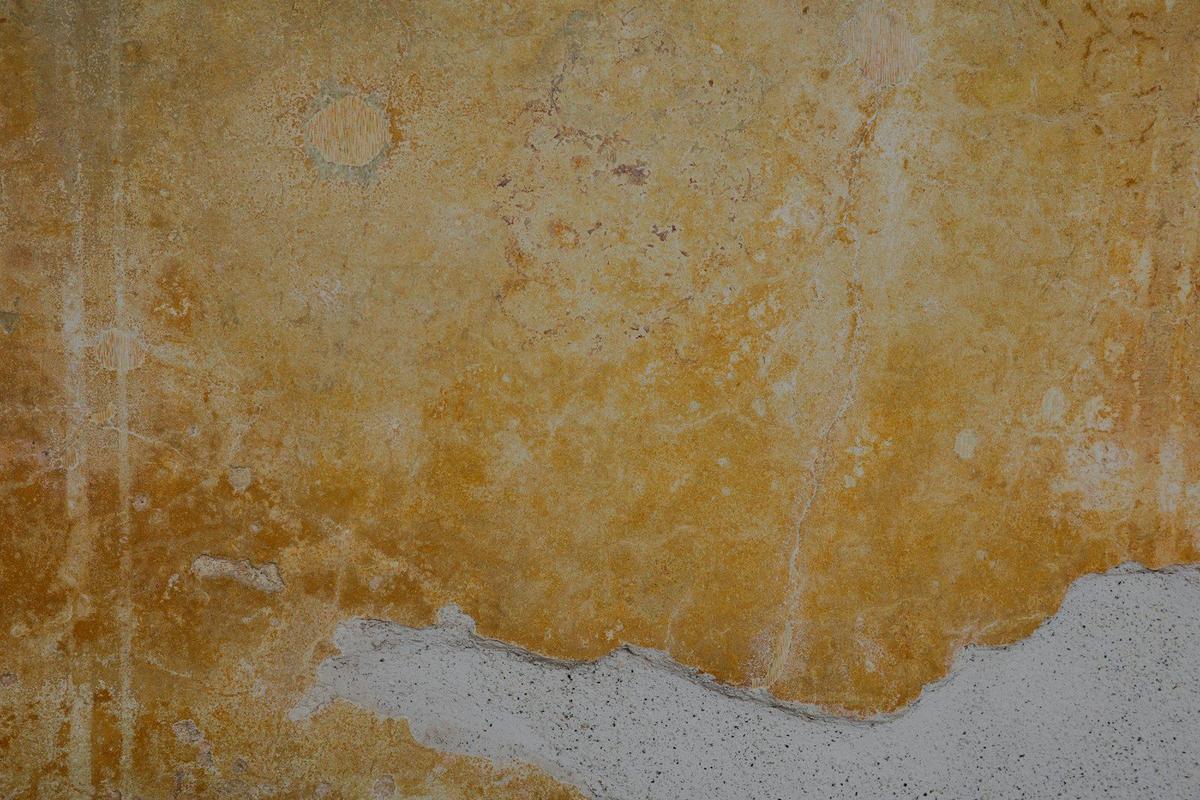
It is not enough to look at a clear sky. Painting over a wall that holds interior moisture is a common cause of blisters and flaking later on, even if the day seems perfect for work. For this reason, it is worth checking beforehand for stains, efflorescence, or visible mold, a frequent problem in ground floors and north-facing facades. Those who want to delve deeper into this topic can review how to deal with moisture and mold before painting2, and if the problem persists, the solution involves treating the moisture at its source3 before applying any new coat.
The ideal window by each region of Spain
Atlantic north: Galicia, Basque Country, Cantabria, and Asturias
This strip, known as humid Spain, receives rain almost all year because the Cantabrian mountain range helps keep everything wetter, as the mountains function as a wall that brings more rain to their northern side. In cities like Bilbao or A Coruña, windows of several dry days in a row are shorter, so it is worth watching the weekly forecast rather than trusting a general calendar. May-June and the first half of September usually offer the most stable stretches for exteriors.
Central plateau and interior: Madrid, Castile and León, Castile-La Mancha, and Aragón
The interior peninsula has very dry and hot summers and winters with frosts, a thermal contrast that requires careful calendar planning. The stretches from April to June and September to October concentrate mild temperatures and low humidity, exactly the kind of conditions that avoid both the too-rapid drying of July and the excessive cold of January.
Mediterranean and Balearics: Valencia, Catalonia, Murcia, Alicante, and Balearic Islands
The Mediterranean coast combines warm, dry summers with autumns where intense rain episodes can concentrate (the so-called cold drop). Spring (March to June) is usually the safest option, and September, once heat waves have passed, offers another usable window before autumn rains arrive.
Andalusia and southern peninsula
In areas like Seville, Málaga, or Granada, the extreme heat of July and August makes painting in full sun inadvisable due to the risk of premature drying. April and May are usually the favourites for professional painters in Málaga, Torremolinos, Fuengirola, or Benalmádena, and autumn, once temperatures drop, opens another good working window.
Canary Islands: a different climate all year round
The archipelago does not follow the seasonal pattern of the rest of the country: it has a subtropical climate, with mild temperatures throughout the year that barely vary4. This allows painting at almost any time, though it is worth avoiding the north-facing slopes of the more humid islands on days with moisture-laden trade winds, and prioritizing hours without direct sun.
Quick comparison by region
| Region | Best window | Main risk |
|---|---|---|
| Atlantic north (Galicia, Basque Country, Asturias) | May-June and September | Frequent rain, short dry windows |
| Central plateau and interior (Madrid, Castile and León) | April-June and September-October | Frosts in winter, extreme heat in July |
| Mediterranean and Balearics | March-June and September | Cold drop in autumn, humid heat in August |
| Andalusia and south | April-May and October-November | Extreme heat in summer |
| Canary Islands | Year-round, with nuances | Humidity on north-facing slopes |
How to prepare the work according to the chosen season
Before setting a date, it is worth keeping a few practical points in mind:
- Check the forecast several days out, not just the start day, because each coat needs drying time without rain.
- Review the actual condition of the wall or interior before finalizing the calendar; a facade with accumulated moisture needs prior treatment, not just good weather.
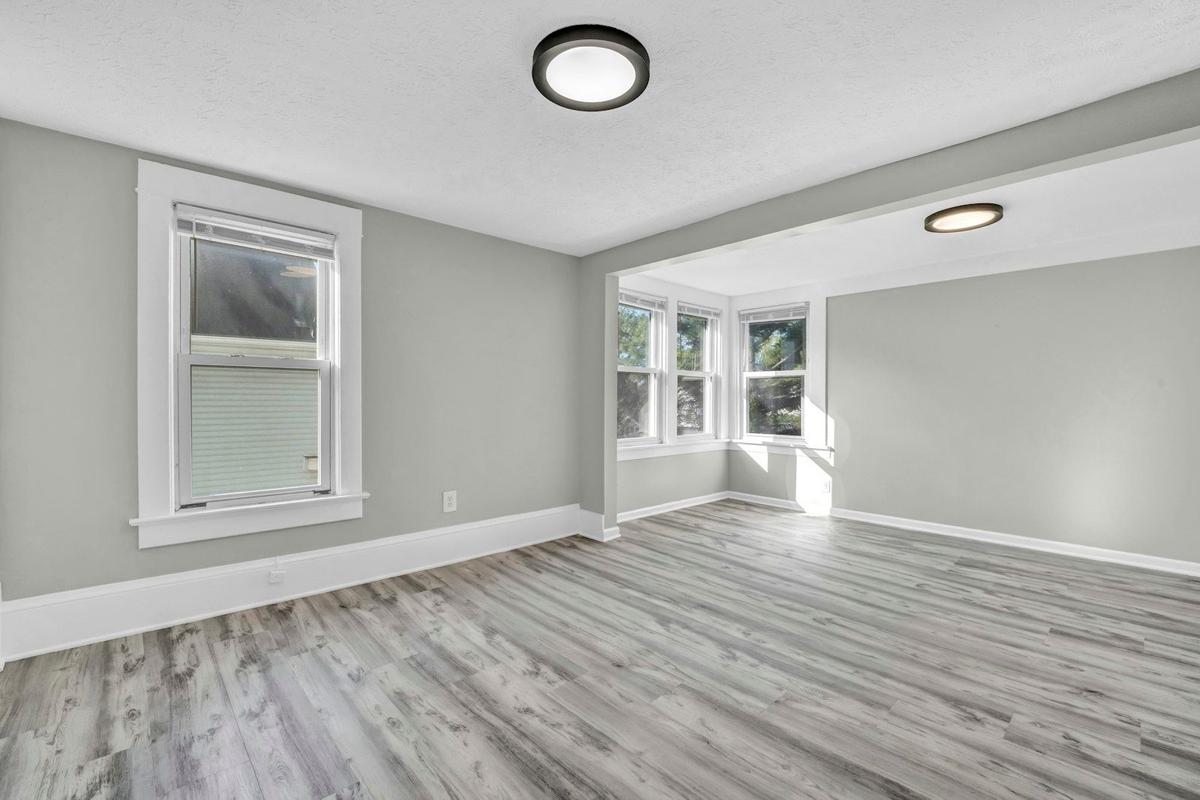
- Keep in mind that indoors climate has less influence, but ventilation during drying remains important, especially in the warmer months when windows spend more time closed due to air conditioning.
- If the property has gotelé (sprayed textured coating) and the seasonal renovation is being used to remove or smooth it, that work should be planned before painting, since deciding between removing, smoothing, or covering it5 changes the timeline of the entire project.
When requesting a quote per m² for a facade or interior, that figure is always indicative, never definitive, because two surfaces with the same area may be in very different conditions (cracks, moisture, degraded render). The final price can only be confirmed after assessing the actual condition of the surface, something that can be done using photos and videos or an in-person visit; both methods work equally well. On our platform, photos and videos of surfaces are always requested before finalizing any quote, precisely to avoid surprises mid-project.
What to do before hiring, regardless of season
Beyond climate, it is worth checking some points when hiring a professional for exterior or facade painting:
- Confirm that the professional or company is properly registered as a self-employed person or as a constituted business. On our platform this verification is always done before presenting someone as an option, so the customer does not have to check it themselves.
- Leave the scope of work in writing and accessible to both parties. On our platform all job details remain online, so the customer, the professional, and the platform itself can check at any time what was agreed.
- Understand how payment works before starting. On our platform the scheme is always the same: 50% at the start, to reserve the date and buy materials, and 50% at the end, once the work has been verified.
Those wishing to compare several quotes before deciding can also review what to check before hiring a painter in Spain6, and for specific facades it is worth reviewing the facade painting services7 available in each region.
Frequently Asked Questions
In most regions it is not the recommended option, except in the Canary Islands or on specific days with mild temperatures and low humidity. Cold slows down curing and nighttime frosts can damage the finish before the paint has completely dried.
If rain arrives before the paint has fully cured, it can wash away part of the product or leave marks and irregular stains. This is why it is always recommended to check that no rain is expected in the following 24 to 48 hours after each coat.
It affects them differently: on the exterior the risk is rain and water on the freshly painted surface, while indoors the problem is usually lack of ventilation during drying. In both cases it is worth waiting for the surface to be truly dry, not just dry to the touch.
It depends on the region: in the south and Mediterranean it is worth getting ahead of extreme heat and painting in spring, while in the Atlantic north summer and early autumn usually offer the most stable windows of the year.
The price does not depend so much on the season as on the actual condition of the surface and the amount of preparation it needs. What can vary is the availability of professionals, since peak seasons (spring and early autumn) usually concentrate more demand.
Ready to paint?
Get free quotes from verified local painters in minutes. No commitment.
Sources
External sources open in a new tab.
- Pintar fachada exterior: guía 2026pintoresponferrada.es
- Humedad y moho en otoño: qué hacer antes de pintar las paredesmyfixio.es
- Eliminación de Humedadmyfixio.es
- 2.1. Los climas de Europa y Españaedea.juntadeandalucia.es
- Gotelé en casa: cómo decidir si quitarlo, alisarlo o taparlomyfixio.es
- Contratar pintor en España: garantías y qué comprobar antesmyfixio.es
- Pintura de Fachadasmyfixio.es