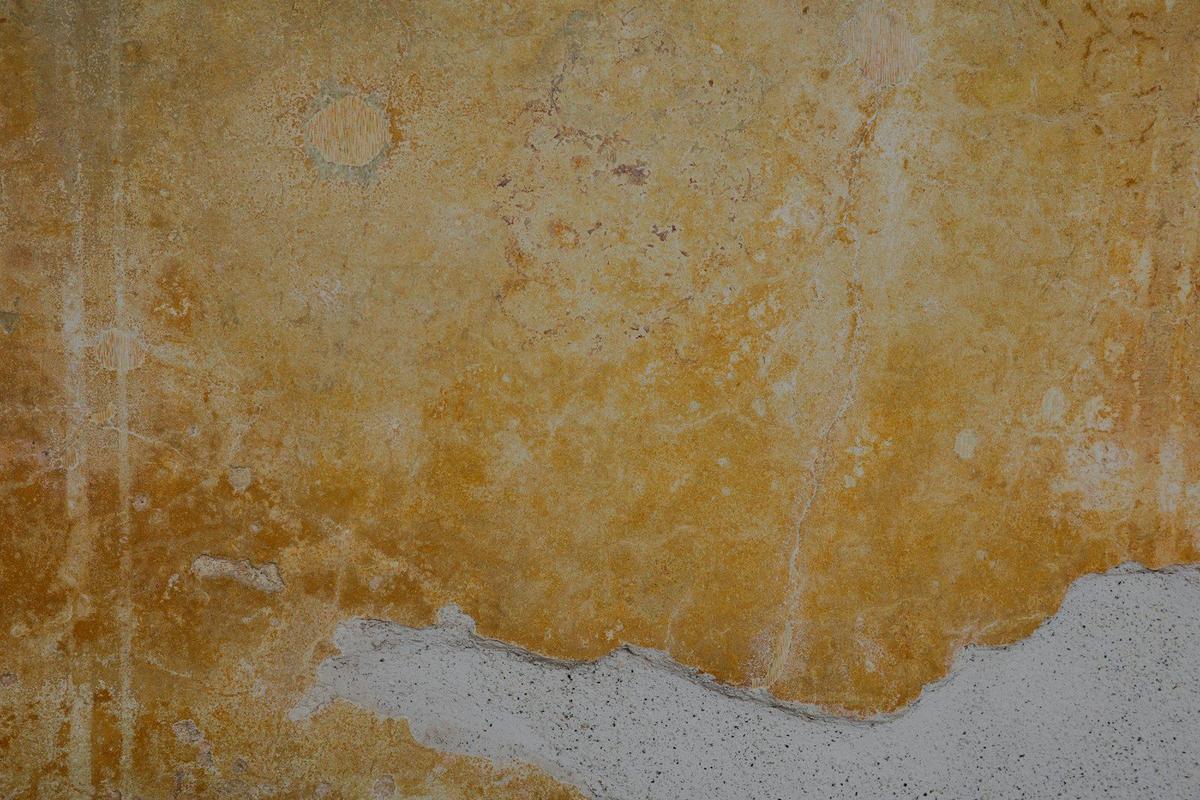
As autumn arrives, thousands of homes across Spain begin to notice dark stains in ceiling corners, condensation on windows, or that stale smell that won't go away even with ventilation. It's no accident: this season brings together exactly the conditions that trigger damp in homes, and painting over the problem without solving it first only delays a bigger expense.
Why autumn triggers damp in Spanish homes
The combination of rain, cold and poor ventilation
Autumn is one of the most critical seasons for damp to appear, because increased rainfall, dropping temperatures and reduced natural ventilation mean that autumn damp multiplies, affecting both the home and the health of those who live there. This is compounded by the fact that many families start using heating while keeping windows closed for longer periods, which concentrates water vapour generated by cooking, showering or drying clothes inside the home.
A particularly wet winter that leaves its mark
The phenomenon is not just a matter of perception. According to recent AEMET data, meteorological data shows that last winter was particularly rainy in large parts of Spain, creating conditions capable of testing facades, walls and homes, with winter 2025-2026 classified as very wet across mainland Spain1. In Galicia, for example, AEMET recorded around 499 mm of precipitation in February alone at Vigo Airport. Areas like Galicia, Asturias, Cantabria or the Basque Country feel the effect more intensely, but no Spanish climate is free from it: Madrid, Zaragoza or Castile and Leon suffer mainly from condensation due to dry cold and heating, while the Mediterranean coast (Valencia, Alicante, Malaga) deals more with constant environmental humidity.
The three types of damp to distinguish before painting
Not every stain is treated the same. Confusing the source is the number one reason why anti-damp paint fails within months.
- Condensation: appears on the coldest surfaces of the home (high corners, behind furniture, windows) when warm, humid indoor air collides with a poorly insulated wall. It's the most common in winter and usually brings visible mould.
- Rising damp: rises from the ground through the pores of the wall, typical in ground floors and old buildings without a horizontal damp barrier. It's recognised because the stain starts from the skirting board and skirting boards usually swell.
- Penetrating damp: enters from outside through facades, roofs or windows in poor condition, and worsens clearly with rain and wind.
Signs that the problem is more than just cosmetic
Some clues help distinguish the type of problem before calling a professional:
- Drops of water on windows or persistent condensation: points to condensation.
- Chipped paint that starts just above the skirting board: usually rising damp.
- Yellowish stains near windows, balconies or on the ceiling below a terrace: almost always penetrating damp.
- Smell of damp or wet earth in closed rooms, even if no stain is visible yet.
If you want to go deeper into how to distinguish each type before starting any work, the blog explains in more detail how to identify the source of damp before painting2.
What happens if you paint without solving the cause
Paint is not a solution, it's a temporary patch
Painting directly over a damp wall, even with anti-mould paint, does not eliminate the source of the problem. Mould can return within months if ventilation or insulation remain inadequate, and the consequences of not treating it in time include higher energy consumption, since the cold and humid environment costs more to heat, mould and fungi harmful to health appear, structural damage to walls, ceilings and floors, and degradation of furniture, textiles and paint3.
How to properly prepare an affected surface
Once the source has been identified and the cause corrected (better ventilation, sealing a leak, anti-damp barrier), the surface needs specific preparation before receiving new paint: removing mould with the appropriate treatment, allowing the wall to dry completely and, in many cases, applying a special primer that blocks residual salts or moisture. The complete process is detailed in how to prepare surfaces damaged by damp before painting4. For cases where damp has already visibly affected existing paint, it's also worth checking what to do when damp has already damaged the paint5.
Quick comparison: types of damp and typical treatment
| Type of damp | Where it appears | Typical treatment | Urgency |
|---|---|---|---|
| Condensation | Corners, ceilings, windows | Improve ventilation, breathable paint | Medium, worsens each winter |
| Rising damp | Lower part of walls, ground floors | Anti-damp barrier, special render | High if skirting boards are damaged |
| Penetrating damp | Near windows, balconies, ceilings | Repair facade or roof, waterproof | High, can damage the structure |
What to do now: concrete steps before requesting a quote
Before contacting a professional, it's worth having the following clear:
- Photograph the affected areas at different times of day, to show whether the stain changes with environmental humidity.
- Note when it appears (after rain, in winter, always the same) because that pattern helps with diagnosis.
- Ventilate for at least 10 minutes daily, even on cold days, while the permanent solution is being arranged.
This type of quote can be calculated per m², but it's worth bearing in mind that this calculation is always indicative, never definitive, because two walls with the same area can be in very different condition (cracks, degraded render, more or less widespread mould). The final price can only be confirmed after assessing the real condition of the surfaces, something that can be done either with photos and videos or with an in-person visit; both options work equally well. This is why our platform always requests photos and videos of the affected areas before closing any quote, precisely to avoid surprises mid-work. If the problem is structural in origin and requires specialist treatment, it's worth reviewing the damp removal6 service before thinking about repainting.
Frequently Asked Questions
It's not recommended. Anti-mould paint helps slow the appearance of fungi on the surface, but if the cause (condensation, rising damp or penetrating damp) remains active, the stain will reappear within months. The first step is to identify and correct the source of the problem.
Condensation usually appears on the coldest surfaces of the home (corners, windows, behind furniture) and worsens in winter with heating on. Penetrating damp, on the other hand, is noticeable near windows, balconies or ceilings, and clearly worsens when it rains.
It depends on the thickness of the wall and the severity of the problem, but generally it's best to wait several weeks after solving the cause, and confirm that the surface is really dry before applying any new paint.
No. Rising damp requires an anti-damp barrier or specific wall treatment; paint alone only hides the problem for a limited time and the stain usually rises again.
Yes, it's quite common, especially in old buildings or with poor insulation. If the pattern repeats every year in the same area, it's usually a sign that a structural solution is needed, not just a fresh coat of paint.

Ready to paint?
Get free quotes from verified local painters in minutes. No commitment.
Sources
External sources open in a new tab.
- ¿Hay más problemas de humedad que antes? El último invierno pone las viviendas del norte a prueba - Humesec - Expertos en Tratamientos de la Humedadhumesec.es
- Cómo identificar el origen de la humedad antes de pintar tu viviendamyfixio.es
- Humedades en casa en invierno - Proffproff.es
- Cómo preparar superficies dañadas por humedad antes de pintarmyfixio.es
- Qué hacer cuando la humedad ya dañó la pinturamyfixio.es
- Eliminación de Humedadmyfixio.es